Beyond Tracking: How Accelerometers are Revolutionizing Wildlife Biologging and Revealing the Secret Lives of Animals
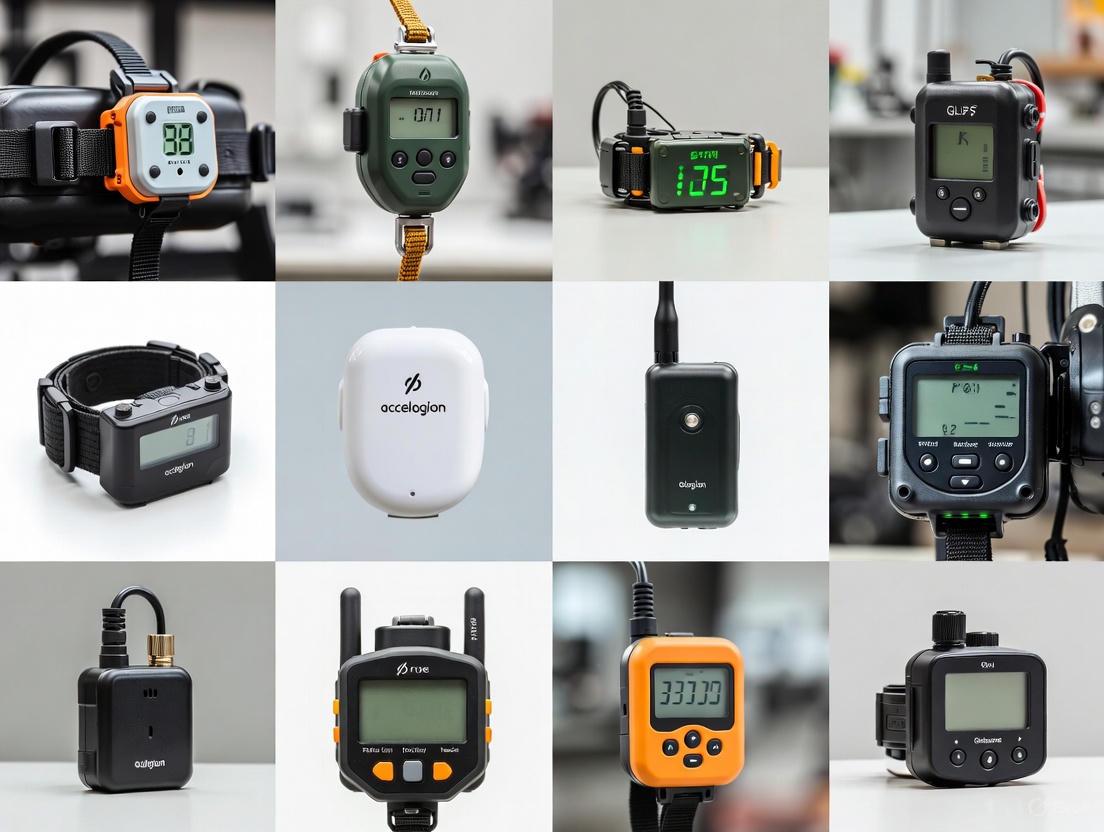
This article provides a comprehensive overview of the transformative role of accelerometers in wildlife biologging.
Beyond Tracking: How Accelerometers are Revolutionizing Wildlife Biologging and Revealing the Secret Lives of Animals
Abstract
This article provides a comprehensive overview of the transformative role of accelerometers in wildlife biologging. It explores the foundational principles of how these sensors capture animal movement and behavior, details the methodological approaches for classifying behaviors and estimating energy expenditure, and addresses critical troubleshooting and optimization techniques for data accuracy. Furthermore, it examines validation frameworks and comparative analyses of different sensor configurations. Aimed at researchers and scientists, this review synthesizes current knowledge to guide best practices and highlights future directions for integrating high-resolution accelerometer data into ecological and conservation research.
The Unobservable Made Visible: Core Principles and Exploratory Applications of Bio-Logging
Bio-logging involves attaching miniature electronic devices to animals to record data about their physiology, movement, and environment [1]. These devices have revolutionized our understanding of wild animal ecology by providing insights into the secret lives of animals that would otherwise be challenging to obtain via direct observation [1]. Among the most powerful sensors in the bio-logging toolbox are accelerometers, which measure acceleration in up to three dimensional axes at high frequencies, typically in units of gravitational force (g) [2].
The acceleration measured by these devices consists of two components: static acceleration and dynamic acceleration [2]. Static acceleration reflects the angular incidence of the device relative to the gravitational field and provides information on posture and orientation [2]. Dynamic acceleration represents the component attributable to movement of the animal itself [2]. The separation and analysis of these components enable researchers to identify specific behaviors, estimate energy expenditure, and understand how animals interact with their environments [3].
The development of acoustic accelerometer transmitters has further expanded applications by allowing data summaries to be transmitted to receivers without requiring tag recovery [2]. This is particularly valuable for studying cryptic species that are difficult to recapture [2]. As technology continues to advance, bio-logging devices have become increasingly miniaturized, enabling deployment on a wider range of species, from large marine mammals to small birds and even insects [1].
Technical Specifications and Sensor Fundamentals
Key Technical Parameters
Accelerometer specifications must be carefully selected to optimize data collection for specific research questions. The sampling rate (number of measurements per second) and sampling window (duration of measurement before transmission) significantly impact the types of behaviors that can be resolved [2].
Table 1: Standard Accelerometer Transmitter Specifications in Ecological Studies
| Parameter | Common Settings | Biological Significance | Considerations |
|---|---|---|---|
| Sampling Rate | 5-12.5 Hz (most common: 5 Hz or 10 Hz) [2] | Must be at least twice the maximum tail beat frequency for fish [2] | Higher rates (≥30 Hz) needed for detailed behavioral classification [2] |
| Sampling Window | 0.25-180 seconds (mean: 34s, median: 25s) [2] | Shorter windows provide behavioral snapshots; longer windows give synoptic activity views [2] | Heterogeneous activity states may be averaged in longer windows [2] |
| Operation Mode | 2-axis (tailbeat) or 3-axis (activity) [2] | 2-axis measures undulations (e.g., tail beats); 3-axis provides general activity estimation [2] | Axis-free algorithms being developed to reduce transmission burden [2] |
| Additional Sensors | Pressure (depth), temperature [2] | Provides environmental context for behavioral data [2] | Temperature sensors surprisingly rare despite metabolic implications [2] |
Data Processing and Metrics
Raw acceleration data undergoes processing to extract biologically meaningful metrics. The most common derived metric is Dynamic Body Acceleration (DBA), which serves as a validated proxy for movement-based energy expenditure across diverse vertebrate and invertebrate species [3]. DBA is calculated by first removing the static gravitational component, then calculating the vectorial sum of the dynamic acceleration components [3]. The vectorial norm (or magnitude) of dynamic acceleration is calculated using the formula:
‖a‖ = √(x² + y² + z²)
where x, y, and z are the dynamic acceleration values along the three axes [3]. This metric correlates well with energy expenditure measured through oxygen consumption, making it particularly valuable for ecological studies [3].
Methodological Considerations and Protocols
Sensor Calibration Procedures
Proper accelerometer calibration is essential for generating comparable, accurate data. Laboratory tests have demonstrated that uncalibrated tags can produce DBA differences of up to 5% compared to calibrated tags [3]. The 6-Orientation (6-O) method provides a simple field calibration technique that should be executed prior to deployments and archived with resulting data [3].
Table 2: Accelerometer Calibration Protocol
| Step | Procedure | Purpose | Quality Control |
|---|---|---|---|
| 1. Pre-deployment Setup | Place tag motionless in six defined orientations (each for ~10 seconds) with one axis perpendicular to gravity [3] | Allows calculation of correction factors for each axis [3] | Vector sum should be ≈1.0g for perfect calibration [3] |
| 2. Data Collection | Record raw acceleration values in each orientation [3] | Capture maxima and minima for each acceleration axis [3] | Note any deviations from expected ±1g values for each axis [3] |
| 3. Correction Application | Apply two-level correction: equalize absolute maxima per axis, then apply gain to convert to exactly 1.0g [3] | Eliminate measurement error inherent in sensor fabrication [3] | Verify all six maxima read 1.0g after correction [3] |
| 4. Documentation | Archive calibration parameters with resulting data [3] | Enable future data comparison and meta-analyses [3] | Record tag type, calibration date, and methodology [3] |
Tag Attachment and Placement
Tag placement critically affects signal amplitude and quality. Research has demonstrated that device position can create greater variation in DBA than calibration errors, with upper and lower back-mounted tags varying by 9% in pigeons, and tail- and back-mounted tags varying by 13% in kittiwakes [3]. The following protocol ensures standardized attachment:
Position Selection: Choose tag placement based on species morphology and research questions. For birds, common positions include lower back, tail, or belly [3]. For terrestrial mammals, collars provide relatively standardized attachment [3].
Orientation: Place transmitters lengthwise in an anterior-posterior position to ensure acceleration along the Y-axis (forward/backward) is represented appropriately [2].
Secure Attachment: Use attachment methods that minimize independent tag movement. Internally implanted tags should be secured to the body wall with sutures where appropriate [2]. External attachments should use epoxy, dart tags, clamps, or saddles sufficient to prevent motion not caused by the animal [2].
Documentation: Record precise attachment location and method to enable comparison across studies and assessment of potential biases [3].
Data Analysis and Interpretation
Behavioral Classification
Accelerometer data can be used to identify specific behaviors through machine learning approaches. Successful behavioral identification has been demonstrated across diverse taxa:
- Bengal slow loris: Random forest models achieved 80.7 ± 9.9% accuracy in predicting behaviors, with resting predicted with 99.8% accuracy [1].
- Banded mongoose: Accelerometers reliably identified scent marking, running, and vigilance behaviors [4].
- Sea turtles: Convolutional neural networks identified the egg-laying process, enabling automated monitoring of nesting populations [1].
The general workflow for behavioral classification involves collecting labeled acceleration data (often through video validation), feature extraction from the acceleration signals, training of classification models, and application to unlabeled field data [1].
Time-Series Analysis Considerations
Biologging data present unique analytical challenges due to their time-series nature, often exhibiting strong autocorrelation where successive values depend on prior measurements [5]. Analyses must account for this temporal autocorrelation to avoid inflated Type I error rates [5].
Appropriate analytical approaches include:
- Autoregressive (AR) models: Account for correlation between consecutive residuals in the time series [5].
- Autoregressive moving average (ARMA) models: Combine both autoregressive and moving average components for greater flexibility [5].
- Generalized least squares (GLS) models: Control Type I error rates at appropriate levels when examining temporal trends [5].
Applications in Ecological Research
Behavioral Ecology and Conservation
Accelerometers have enabled significant advances in understanding animal behavior and ecology:
- Migration and Movement Ecology: Studies have tracked the long-distance migrations of species like common cranes across diverse habitats, providing insights into their seasonal movement strategies and identifying critical bottlenecks [6].
- Foraging Ecology: Research on species like red-tailed tropicbirds has used DBA to understand how animals adjust foraging effort in response to environmental conditions [3].
- Response to Environmental Change: Acceleration metrics help quantify how animals respond to changes in food availability, climate, and anthropogenic threats [3].
Energy Expenditure and Physiology
The relationship between DBA and energy expenditure has been validated across numerous species, making accelerometry a powerful tool for physiological ecology:
- Energy Landscapes: By combining acceleration data with spatial information, researchers can map how energy costs vary across landscapes and seascapes [2].
- Conservation Planning: Understanding movement-based energy expenditure helps identify critical habitats and assess potential impacts of human disturbances [2].
- Exercise Physiology: Accelerometers allow assessment of exercise physiology in wild animals, including responses to stressors and environmental extremes [2].
Essential Research Toolkit
Table 3: Key Research Reagents and Equipment for Biologging Studies
| Item Category | Specific Examples | Function & Application | Key Considerations |
|---|---|---|---|
| Accelerometer Tags | Acoustic transmitters (Vemco/Innovasea), Daily Diary tags (Wildbyte Technologies) [2] [3] | Measure 2- or 3-axis acceleration; some transmit data, others require recovery [2] | Select based on sampling rate needs, battery life, and attachment method [2] |
| Calibration Equipment | Level surface, orientation jig [3] | Execute 6-O calibration method to ensure sensor accuracy [3] | Must be performed before each deployment; data archived with results [3] |
| Attachment Materials | Sutures (internal), epoxy, dart tags, clamps, harnesses [2] | Secure tags to animals with minimal independent movement [2] | Method affects signal quality and potential for tissue damage [2] |
| Validation Tools | Video recording systems [1] | Ground-truth acceleration data for behavioral classification [1] | Essential for developing and training machine learning models [1] |
| Additional Sensors | Pressure sensors, temperature sensors [2] | Provide environmental context for behavioral data [2] | Temperature surprisingly rare despite metabolic implications [2] |
| CX-6258 | CX-6258, MF:C26H24ClN3O3, MW:461.9 g/mol | Chemical Reagent | Bench Chemicals |
| UNC2881 | UNC2881, CAS:1493764-08-1, MF:C25H33N7O2, MW:463.6 g/mol | Chemical Reagent | Bench Chemicals |
The field of bio-logging continues to evolve with technological advancements. Future directions include:
- Sensor Miniaturization: Enabling studies on smaller species and longer deployment durations [1].
- Data Transmission Advances: Improving the efficiency of data transmission from acoustic accelerometer transmitters to increase information yield [2].
- Method Standardization: Developing community standards for calibration, attachment, and data processing to enable robust cross-study comparisons [3].
- Multi-sensor Integration: Combining accelerometers with complementary sensors (e.g., GPS, heart rate monitors, environmental sensors) to provide more comprehensive ecological insights [2].
Accelerometer-based bio-logging has fundamentally transformed our ability to study animal behavior, physiology, and ecology in natural settings. By following standardized protocols for sensor calibration, tag attachment, and data analysis, researchers can continue to expand our understanding of the secret lives of animals while ensuring data comparability across studies and species. The revolution in observing animal behavior through bio-logging promises continued insights as technology advances and methodologies mature.
Tri-axial accelerometers are fundamental tools in wildlife biologging that measure proper acceleration, capturing data in three perpendicular dimensions to provide a comprehensive vector of movement. These sensors operate on the principle of measuring inertial forces caused by acceleration, allowing researchers to quantify fine-scale behaviors and movements of free-ranging animals. The core mechanism involves detecting capacitance changes in micro-electromechanical systems (MEMS) caused by the displacement of a proof mass under acceleration forces. This technological foundation enables the decomposition of an animal's movement into three spatial components: the surge (x-axis), sway (y-axis), and heave (z-axis), corresponding to anterior-posterior, lateral, and dorso-ventral movements respectively [7].
The application of these devices in wildlife studies has revolutionized our understanding of animal behavior, movement ecology, and energy expenditure. By providing continuous, high-resolution data on animal posture, fine-scale movements, and body acceleration, tri-axial accelerometers facilitate the remote monitoring of species in their natural environments without the limitations of direct observation [7] [8]. This technical capacity has proven particularly valuable for studying cryptic species, animals in inaccessible habitats, and behaviors that occur too rapidly for human observers to reliably capture [7] [9].
Fundamental Operating Principles
Physical Sensing Mechanism
At the physical level, tri-axial accelerometers detect acceleration through micro-electromechanical systems (MEMS) that measure the displacement of a proof mass suspended by springs. When acceleration occurs, the proof mass moves from its neutral position due to inertia, and this displacement is measured electronically. Most modern biologging accelerometers use capacitive sensing, where the displacement changes the capacitance between fixed plates and plates attached to the proof mass. These capacitance changes are then converted to digital output values representing acceleration forces [3].
The sensors measure two distinct types of acceleration: static acceleration caused by gravity, which indicates orientation and posture, and dynamic acceleration resulting from animal movement [8]. The separation and analysis of these components enable researchers to distinguish between different behaviors and postural states. The vector sum of the three acceleration axes should theoretically equal 1g when the device is stationary, a fundamental principle used for device calibration and validation [3].
Data Components and Interpretation
The raw output from tri-axial accelerometers consists of three continuous data streams, one for each orthogonal axis. The static acceleration component remains relatively constant during postural positions and provides information about the animal's orientation relative to gravity. The dynamic acceleration component fluctuates rapidly with movement and contains information about specific behaviors and motion characteristics [8].
For wildlife applications, researchers often calculate derived metrics from the raw acceleration data:
- Overall Dynamic Body Acceleration (ODBA): The sum of the absolute values of dynamic acceleration from all three axes [8]
- Vector of Dynamic Body Acceleration (VeDBA): The square root of the sum of squared dynamic accelerations across axes [3]
- Static acceleration vectors: Used to determine body posture and orientation [8]
These metrics serve as proxies for energy expenditure and enable the classification of specific behaviors based on their unique acceleration signatures [3] [8].
Technical Specifications and Measurement Parameters
Table 1: Key Technical Parameters of Tri-axial Accelerometers in Wildlife Research
| Parameter | Specification Range | Biological Significance | Example Values from Literature |
|---|---|---|---|
| Sampling Frequency | 2-100 Hz | Must exceed Nyquist frequency of target behaviors; higher for rapid movements [9] | 2 Hz (sea turtles) to 100 Hz (bird flight) [9] [10] |
| Dynamic Range | ±2g to ±8g | Must encompass maximum acceleration of study species | ±2g (green turtles), ±4g (loggerhead turtles) [10] |
| Resolution | 8-16 bit | Determines sensitivity to detect subtle movements | 8-bit [9] [10] |
| Measurement Error | Variable; requires calibration | Impacts accuracy of energy expenditure estimates [3] | Up to 5% error in DBA without calibration [3] |
Table 2: Accelerometer Outputs and Their Behavioral Correlates in Wildlife Studies
| Output Metric | Calculation Method | Behavioral/Ecological Interpretation | Application Example |
|---|---|---|---|
| ODBA | Sum of dynamic acceleration magnitudes across all three axes [8] | Proxy for movement-based energy expenditure [8] | Comparing energy costs across environments [3] |
| VeDBA | Vector magnitude of dynamic acceleration: √(xdyn² + ydyn² + z_dyn²) [3] | Improved proxy for energy expenditure, less affected by orientation [3] | Field energy estimation in seabirds [3] |
| Pitch | arctan(x / √(y² + z²)) | Head position/body orientation during feeding or resting | Determining feeding bouts in black cockatoos [7] |
| Roll | arctan(y / √(x² + z²)) | Lateral body positioning during maneuvering | Flight characterization in vultures [8] |
Experimental Protocols for Wildlife Biologging
Device Calibration Procedures
Field-Based Calibration Method (6-O Method) Prior to deployment, accelerometers must be calibrated to ensure measurement accuracy. The 6-O method involves placing the device motionless in six defined orientations where each axis sequentially points upward and downward [3]:
For each orientation, record approximately 10 seconds of data while the device is stationary. Calculate the vector sum ‖a‖ = √(x² + y² + z²) for each stationary period, which should equal 1g for perfectly calibrated devices. Compute correction factors for each axis to ensure both positive and negative measurements are symmetrical and normalized to 1g [3]. This calibration corrects for sensor imperfections and manufacturing variances that can introduce error in acceleration measurements.
Device Attachment and Deployment
The attachment method and position critically influence data quality and animal welfare. The general protocol includes:
Device Selection: Choose devices weighing less than 3-5% of the animal's body mass to minimize impact on behavior and energy expenditure [7].
Position Determination: Select attachment position based on species morphology and target behaviors. For seabirds, common positions include the back, tail, or belly; for marine turtles, placement varies by scute position [10] [3].
Secure Attachment: Use species-appropriate attachment methods. For birds, this may include leg-loop harnesses or attachment to feathers; for marine species, use waterproof adhesives compatible with the animal's skin or shell [9] [10].
Configuration Settings: Program sampling frequency based on the Nyquist-Shannon theorem—at least twice the frequency of the fastest behavior of interest [9]. For short-burst behaviors, higher sampling frequencies (up to 100 Hz) may be necessary [9].
Behavioral Classification Workflow
The process of classifying behaviors from accelerometer data follows a structured workflow from data collection to validation:
Step 1: Ground Truthing Collect synchronized accelerometer data and video recordings of animal behavior in controlled settings or during focal observations [7] [10]. For captive black cockatoos, this involved mounting cameras in flight aviaries to record behaviors simultaneously with accelerometer data [7]. For sea turtles, researchers used GoPro cameras mounted above tanks or on telescopic poles, along with animal-borne video cameras [10].
Step 2: Data Segmentation and Feature Extraction Segment the continuous accelerometer data into windows of consistent duration (e.g., 1-2 seconds) [10]. For each window, calculate summary metrics including:
- Mean acceleration for each axis (indicating posture)
- Variance of each axis (indicating movement intensity)
- Covariance between axes (indicating movement patterns)
- VeDBA or ODBA (indicating energy expenditure) [10] [8]
Step 3: Model Training Use machine learning algorithms such as Random Forest, Support Vector Machines, or Artificial Neural Networks to build classifiers that associate acceleration features with specific behaviors [10] [8]. Implement cross-validation techniques that account for individual variation, such as leave-one-individual-out validation [10].
Step 4: Application and Validation Apply the trained classifier to unlabeled accelerometer data from wild individuals. Validate classifier performance against direct observations or video recordings where possible [7]. For black cockatoos, this process achieved 86% accuracy in classifying resting, flying, and foraging behaviors [7].
Research Reagent Solutions: Essential Materials
Table 3: Essential Research Materials for Wildlife Accelerometer Studies
| Material/Equipment | Specification Guidelines | Primary Function | Considerations for Use |
|---|---|---|---|
| Tri-axial accelerometer | MEMS-based, appropriate weight limit, programmable sampling frequency | Measures acceleration in three dimensions | Select dynamic range suitable for target species; consider battery life vs. sampling frequency trade-offs [9] |
| Data storage/transmission | On-board memory or remote transmission capability | Stores and retrieves acceleration data | Memory capacity limits deployment duration; high-frequency sampling fills memory faster [9] |
| Attachment materials | Species-appropriate: harnesses, adhesives, waterproof tapes | Secures device to animal without injury | VELCRO with superglue and waterproof tape used for sea turtles [10]; leg-loop harnesses for birds [9] |
| Synchronization tools | GPS time sources, video recording with time display | Synchronizes accelerometer data with behavioral observations | Use UTC time sources like time.is or GPS apps for accurate synchronization [10] |
| Calibration equipment | Level surface, multiple orientation jig | Ensures measurement accuracy before deployment | 6-O method provides field-expedient calibration [3] |
Optimization Considerations for Wildlife Research
Sampling Frequency Requirements
The appropriate sampling frequency depends on the specific behaviors of interest and their temporal characteristics. The Nyquist-Shannon sampling theorem dictates that the sampling frequency must be at least twice the frequency of the fastest behavior essential to characterize [9]. However, practical applications often require oversampling:
- For long-endurance, rhythmic behaviors like flight in birds, sampling at 12.5 Hz may be sufficient [9]
- For short-burst, abrupt behaviors like swallowing in pied flycatchers (mean frequency 28 Hz), sampling at 100 Hz was necessary [9]
- For sea turtle behaviors, no significant improvement in classification accuracy was observed beyond 2 Hz, enabling longer deployments with lower power consumption [10]
Device Placement Effects
Accelerometer position on the animal's body significantly affects signal characteristics and classification accuracy:
- In seabirds, tail-mounted tags showed 13% variation in VeDBA compared to back-mounted tags [3]
- In sea turtles, placement on the third scute provided significantly higher classification accuracy than placement on the first scute [10]
- Computational Fluid Dynamics modeling revealed that device position affects hydrodynamic drag, with first scute attachment increasing drag coefficient significantly [10]
These findings highlight the importance of standardizing attachment positions within studies and carefully considering the trade-offs between signal quality and animal welfare when determining tag placement.
The core mechanism of tri-axial accelerometers—measuring inertial forces through MEMS technology—provides wildlife researchers with a powerful tool for quantifying animal behavior, energy expenditure, and movement ecology. The successful application of this technology requires careful attention to calibration protocols, sampling parameters, device placement, and validation procedures. By following the detailed application notes and protocols outlined in this document, researchers can enhance the quality and reliability of accelerometer data in wildlife biologging studies, leading to more robust ecological inferences and effective conservation strategies.
In the realm of wildlife biologging, tri-axial accelerometers have emerged as pivotal tools for transforming raw movement data into quantifiable metrics of animal behavior, energy expenditure, and body orientation [1]. These sensors measure acceleration along three orthogonal axes, typically categorized into static and dynamic components [11]. The static component, primarily reflecting gravitational acceleration, enables the calculation of body posture and orientation metrics such as pitch and roll [1]. Conversely, the dynamic component represents movement generated by the animal itself, forming the basis for proxies of energy expenditure like Overall Dynamic Body Acceleration (ODBA) and Vectorial Dynamic Body Acceleration (VeDBA) [11] [12]. The derivation and application of these metrics represent a cornerstone of modern movement ecology, facilitating non-invasive insight into the secret lives of animals across diverse taxa, from flying birds and swimming turtles to terrestrial mammals [1] [10]. Their calculation forms a standardized pipeline for converting high-frequency, raw sensor data into ecologically meaningful information, enabling researchers to test hypotheses about animal energetics, behavioral ecology, and conservation physiology.
Core Metric Definitions and Calculations
The fundamental accelerometer metrics used in ecology are derived through specific computational procedures applied to raw tri-axial data. The table below summarizes the core formulae and ecological applications of these key derivatives.
Table 1: Core Accelerometer Metrics in Wildlife Biologging
| Metric | Calculation Formula | Description | Primary Ecological Application |
|---|---|---|---|
| Static Acceleration | Running mean (e.g., over 2 s) of raw acceleration for each axis [11]. | The low-frequency component of acceleration, dominated by the gravitational field. | Used to derive body posture and orientation (pitch and roll) [1]. |
| Dynamic Acceleration | Raw acceleration - Static acceleration [11]. | The high-frequency component of acceleration, generated by animal movement. | The fundamental input for calculating ODBA and VeDBA [11]. |
| ODBA | (\sum |D{x}| + |D{y}| + |D{z}|)Where (D{x}, D{y}, D{z}) are dynamic acceleration for x, y, z axes [11]. | The sum of the absolute values of dynamic acceleration from the three orthogonal axes. | A common proxy for energy expenditure or metabolic rate [11] [12]. |
| VeDBA | (\sqrt{D{x}^2 + D{y}^2 + D_{z}^2}) [11] [12] | The vector norm (magnitude) of the dynamic acceleration vector. | An alternative proxy for energy expenditure; may be less sensitive to device orientation [11] [12]. |
| Pitch | (\arcsin\left(\frac{S{x}}{g}\right))Where (S{x}) is static acceleration on the surge (x) axis and (g) is gravity [1]. | The vertical orientation of the animal's body, describing head-up/head-down angle. | Classifying behaviors (e.g., diving vs. surfacing); understanding locomotion kinematics [1]. |
| Roll | (\arcsin\left(\frac{S{y}}{g}\right))Where (S{y}) is static acceleration on the sway (y) axis [1]. | The lateral orientation of the animal's body, describing side-to-side tilt. | Assessing lateral movements, turning, and asymmetric body positions [1]. |
ODBA vs. VeDBA: A Comparative Analysis
The choice between ODBA and VeDBA as a proxy for energy expenditure has been a subject of empirical investigation. While both are strongly correlated with the rate of oxygen consumption (( \dot{V}O2 )), studies on humans and other animal species have shown that ODBA can account for slightly but significantly more of the variation in ( \dot{V}O2 ) than VeDBA [11] [12]. This finding suggests that the sum of accelerations along independent axes may effectively capture the energy cost of simultaneous muscle contractions used for limb stabilization and movement [11]. However, VeDBA is theoretically less sensitive to changes in device orientation. Research indicates that in scenarios where consistent logger orientation cannot be guaranteed, VeDBA is the recommended proxy due to its vectorial properties [11] [12].
Experimental Protocols for Metric Validation and Application
Validating accelerometer metrics and applying them to novel species requires rigorous experimental protocols. The following section details established methodologies for ground-truthing behaviors and optimizing device settings.
Protocol: Ground-Truthing Behaviors for Classification Models
Objective: To develop a supervised machine learning model for classifying animal behavior from accelerometer data. Background: Supervised classification relies on direct observations to train a model, enabling automated behavioral inference from accelerometer readouts [10] [13].
- Device Attachment: Securely attach tri-axial accelerometers to the study animals. The placement should be standardized (e.g., on the back near the center of gravity) to ensure consistent data [10]. For marine turtles, for instance, attachment on the third vertebral scute has been shown to provide higher classification accuracy and lower hydrodynamic drag compared to the first scute [10].
- Data Collection: Configure accelerometers to record at a sufficiently high frequency (e.g., 25-100 Hz) to capture the nuances of target behaviors [9]. Simultaneously, record the animals' behavior using video cameras (e.g., GoPro) synchronized to the accelerometer's internal clock [9] [10].
- Behavioral Annotation: Annotate the synchronized video footage using software like BORIS ("Behavioral Observation Research Interactive Software") to create a detailed ethogram [10]. Omit the first and last second of each behavioral bout to account for synchronization errors [10].
- Data Segmentation and Feature Calculation: Segment the synchronized accelerometer data into windows of fixed length (e.g., 1-second or 2-second windows). For each window and axis, calculate a suite of summary metrics (features) such as mean, standard deviation, and correlation between axes [10].
- Model Training and Validation: Use a machine learning algorithm, such as a Random Forest (RF), to train a classification model [10]. Implement a leave-one-individual-out cross-validation strategy to avoid overfitting and ensure the model generalizes across individuals [10].
Protocol: Optimizing Sampling Frequency and Window Length
Objective: To determine the minimal sampling frequency and analysis window length required to accurately capture behaviors of interest, thereby optimizing battery life and device memory. Background: Sampling at unnecessarily high frequencies drains battery and fills memory rapidly, whereas sampling too low causes loss of critical information [9].
- Pilot Data Collection: Initially collect high-frequency accelerometer data (e.g., 100 Hz) alongside detailed behavioral observations [9].
- Data Down-sampling: Systematically down-sample the original high-frequency dataset to lower frequencies (e.g., 50, 25, 12.5, 2 Hz) [9] [10].
- Performance Evaluation: For each down-sampled frequency, perform behavioral classification or calculate energy expenditure proxies (ODBA/VeDBA). Compare the results against the "gold standard" from the high-frequency data or direct observations.
- Determine Critical Frequency: Identify the minimum frequency at which performance is not significantly degraded. Adhere to the Nyquist-Shannon sampling theorem, which states the sampling frequency should be at least twice that of the fastest movement of interest [9]. For short-burst behaviors (e.g., swallowing in birds), frequencies higher than 100 Hz may be necessary, while for sustained behaviors like flight, 12.5 Hz may be sufficient [9].
- Optimize Window Length: Evaluate the effect of the analysis window length (e.g., 1s vs. 2s) on classification accuracy. Longer windows can provide more stable estimates for rhythmic behaviors, while shorter windows may be needed for brief events [10]. For sea turtles, a 2-second window significantly improved accuracy over a 1-second window [10].
Workflow Visualization: From Data Collection to Ecological Insight
The following diagram illustrates the integrated workflow for processing accelerometer data, from collection to the derivation of ecological insights.
Figure 1: Data processing and analysis workflow for deriving ecological insight from raw accelerometer data.
The Scientist's Toolkit: Essential Research Reagents and Materials
Successful accelerometer studies rely on a suite of specialized hardware, software, and methodological considerations. The table below catalogs the essential components of the modern biologging toolkit.
Table 2: Essential Research Reagents and Materials for Biologging Studies
| Category | Item | Specification/Function |
|---|---|---|
| Hardware | Tri-axial Accelerometer | Measures acceleration in surge, heave, and sway axes. Key specs: sampling frequency (Hz), dynamic range (± g), bit resolution, weight [9] [10]. |
| Hardware | Attachment Harness/Adhesive | Secures device to animal. Leg-loop harness for birds [9]; waterproof adhesive (e.g., super glue) and tape for marine turtles [10]. |
| Hardware | Synchronized Video System | For ground-truthing behaviors. High-speed cameras (e.g., GoPro) synchronized to UTC time [9] [10]. |
| Software | Behavioral Annotation Software | Software like BORIS is used to label observed behaviors from video, creating the dataset for model training [10]. |
| Software | Statistical Computing Platform | R or Python with specialized packages (e.g., caret, ranger in R) for data analysis, feature calculation, and machine learning [10]. |
| Methodology | Ethogram | A predefined catalog of animal behaviors used to standardize behavioral observations and annotations [10]. |
| Methodology | Machine Learning Classifier | Random Forest models are commonly used for their high accuracy in classifying behaviors from accelerometer feature data [10]. |
| Methodology | Cross-Validation Strategy | Leave-one-individual-out cross-validation is critical for generating robust, generalizable models that are not biased by individual idiosyncrasies [10]. |
| MPI-0479605 | MPI-0479605, MF:C22H29N7O, MW:407.5 g/mol | Chemical Reagent |
| STF-083010 | STF-083010, MF:C15H11NO3S2, MW:317.4 g/mol | Chemical Reagent |
The derivation of key metrics such as ODBA, VeDBA, pitch, and roll from raw accelerometer data represents a standardized and powerful methodology in wildlife research. These metrics serve as fundamental bridges between the complex physical movements of an animal and quantifiable aspects of its ecology, including energy expenditure, behavioral states, and postural dynamics. The rigorous experimental protocols for ground-truthing and device optimization ensure that the data collected are both ecologically meaningful and resource-efficient. As biologging technology continues to advance, the integration of on-board processing and continuous monitoring [13] will further enhance our ability to uncover the drivers of animal behavior, survival, and fitness in a rapidly changing world.
Within the field of wildlife biologging, accelerometers have revolutionized our ability to study the secret lives of animals by providing a window into their behaviors, physiology, and energy demands remotely and continuously [1]. These devices measure proper acceleration, allowing researchers to decipher a wide range of biological phenomena, from fine-scale behaviors and movement ecology to energy expenditure and significant life-history events [1] [14]. The data obtained are instrumental in addressing fundamental ecological questions and understanding how animals respond to environmental changes, such as shifts in climate and land use [14]. This application note details protocols and methodologies for using accelerometers to assess animal activity, energy expenditure, and reproductive events, framed within the context of a broader thesis on wildlife biologging.
Application Note & Experimental Protocols
Quantifying Activity and Behavioural Budgets
Objective: To classify specific behaviours and quantify activity budgets of free-moving animals using tri-axial accelerometers.
Background: Accelerometers record signatures of distinct body movements, which can be matched to specific behaviours [1]. Supervised machine learning is the primary method for automating behaviour classification from acceleration data [15].
Protocol 1: Data Collection for Behaviour Classification
- Tag Selection and Calibration:
- Select a biologger with a tri-axial accelerometer. The device's weight should typically be less than 5% of the animal's body mass.
- Calibration is critical. Prior to deployment, calibrate the accelerometer using the 6-O method [3]. Place the static tag in six orientations (each axis aligned to +1g and -1g) for ~10 seconds each. Calculate the vectorial sum ( \|a\| = \sqrt{x^2 + y^2 + z^2} ) for each orientation. Correct each axis with a two-level correction to ensure the vector sum equals 1.0 g [3].
- Tag Attachment:
- Choose an attachment method (e.g., leg-loop harness, backpack harness, glue) and position (e.g., back, tail, limb) that minimizes impact on the animal and is appropriate for the species [3] [9]. Note: Tag placement significantly affects the signal; standardize placement within a study and report it precisely [3].
- Set an appropriate sampling frequency. For general behaviours, the Nyquist-Shannon theorem states the frequency should be at least twice that of the fastest movement of interest. For short-burst behaviours (e.g., swallowing in birds), frequencies as high as 100 Hz may be needed, while for sustained behaviours (e.g., flight), 12.5 Hz may suffice [9].
- Ground-Truthing:
Protocol 2: Machine Learning Workflow for Behaviour Classification
- Data Pre-processing:
- Import raw acceleration data (x, y, z axes).
- Segment the data into windows. Common window lengths range from 1 to 10 seconds. A sensitivity analysis can be conducted to identify the optimal window and overlap for each behaviour [16].
- Apply filtering techniques if necessary (e.g., high-pass filter to remove static gravity component) [16].
- Feature Extraction:
- From each data window, calculate descriptive features for each axis and the vector norm. Common features include mean, standard deviation, variance, skewness, kurtosis, and Fast Fourier Transform (FFT) coefficients to capture periodic signals [16].
- Model Training and Validation:
- Use the ground-truthed data to train a supervised machine learning model (e.g., Random Forest, Convolutional Neural Network).
- Critical Step: To avoid overfitting and ensure the model generalizes, rigorously validate it using independent test sets. A robust method is to train the model on data from some individuals and test it on completely different, unseen individuals [15]. Performance metrics like Area Under the Curve (AUC) should be reported for both training and test sets [16].
Figure 1: Workflow for classifying animal behaviour from accelerometer data using machine learning. Key validation and calibration steps are highlighted.
Estimating Energy Expenditure
Objective: To use Dynamic Body Acceleration (DBA) as a proxy for movement-based energy expenditure.
Background: The Vector of Dynamic Body Acceleration (VeDBA), calculated as ( VeDBA = \sqrt{(x{dynamic})^2 + (y{dynamic})^2 + (z_{dynamic})^2} ), is strongly correlated with energy expenditure measured via respirometry across many vertebrate species [3] [14]. It represents the animal's movement-induced acceleration, excluding the static gravity component.
Protocol: Deriving Energy Expenditure Proxies
- Data Collection:
- Follow the calibration and attachment protocols described in Section 2.1. Note: Accuracy, tag placement, and attachment method critically affect signal amplitude and therefore VeDBA values. Upper and lower back-mounted tags can vary in DBA by 9%, and tail- versus back-mounted tags by 13% [3].
- Calculating VeDBA:
- Separate Static and Dynamic Acceleration: Use a high-pass filter (e.g., a running mean) to remove the static gravitational component (low-frequency) from the total acceleration, leaving the dynamic acceleration (high-frequency) due to movement.
- Compute VeDBA: For each data point, calculate the vector norm of the dynamic components from all three axes [3].
- Sampling Considerations for Energetics:
- For estimating overall energy expenditure over periods (e.g., a foraging trip), lower sampling frequencies (e.g., 1-10 Hz) are often sufficient [9].
- The combination of sampling frequency and sampling duration affects the accuracy of signal amplitude (and thus VeDBA) estimation. For short sampling durations, a sampling frequency of four times the signal frequency (twice the Nyquist frequency) is recommended for accurate amplitude estimation [9].
Detecting Reproductive and Life-History Events
Objective: To identify specific reproductive events (e.g., egg-laying, nesting, parturition) and monitor related behavioral changes.
Background: Characteristic behavioral patterns associated with reproductive events can be detected via accelerometers. For example, convolutional neural networks have been used to identify the egg-laying process in sea turtles [1].
Protocol: Identifying Reproductive Behaviors
- Define Behavioral Signature:
- For the target species, identify the unique sequence of postures and movements associated with the reproductive event (e.g., distinct body-shifting during egg-laying, increased nest-building activity, or specific resting patterns during pregnancy).
- Data Collection and Analysis:
- Deploy accelerometers on individuals during the known reproductive season.
- Use a supervised machine learning approach (as in Protocol 2) to train a model to recognize the specific behavioural signature of the reproductive event.
- Alternatively, for well-defined states like sustained rest (which may indicate incubation), simple thresholds on activity counts can be used. For instance, "naps" or sustained rest episodes can be defined as periods with zero activity lasting at least 10 minutes, not interrupted by activity longer than 2 minutes [17].
Table 1: Impact of methodological choices on accelerometer data outcomes. DBA refers to Dynamic Body Acceleration.
| Factor | Quantitative Impact | Experimental Context | Citation |
|---|---|---|---|
| Sensor Calibration | DBA differences of up to 5% between calibrated and uncalibrated tags. | Humans walking at various speeds. | [3] |
| Tag Placement | 9% variation in DBA between upper/lower back; 13% variation between back/tail mounts. | Pigeons in wind tunnel; wild kittiwakes. | [3] |
| Sampling Frequency | 100 Hz needed for swallowing (28 Hz mean freq.); 12.5 Hz adequate for flight. | European pied flycatchers in aviaries. | [9] |
| Model Validation | 79% of reviewed studies (94/119) did not sufficiently validate for overfitting. | Systematic review of accelerometer-based behaviour classification. | [15] |
| Seasonal/Deployment Covariables | DBA varied by 25% between seasons. | Red-tailed tropicbirds with different tag types/attachments in different seasons. | [3] |
Table 2: Key research reagents and solutions for accelerometer studies in biologging.
| Reagent / Solution | Function / Description | Application Note | |
|---|---|---|---|
| Tri-axial Accelerometer Biologger | Measures acceleration in three perpendicular axes. Core sensor for data collection. | Select based on weight, battery life, memory, and sampling frequency capability. Critical for all applications. | |
| Calibration Platform | A stable, level surface used for the 6-O calibration method. | Ensures measurement accuracy, correcting for sensor error introduced during manufacturing. | [3] |
| Leg-Loop or Backpack Harness | A common method for attaching loggers to birds and mammals. | Standardizes tag position; choice affects signal and animal welfare. | [9] |
| Synchronized Video System | High-speed cameras for ground-truthing behaviours. | Provides labelled data essential for training and validating machine learning models. | [1] [9] |
| Machine Learning Pipeline (e.g., ACT4Behav) | Software for processing raw data, feature extraction, and model training. | Automates behaviour classification; pipelines can be tailored to specific species and behaviours. | [16] |
This application note outlines standardized protocols for employing accelerometers in wildlife biologging, emphasizing the critical importance of sensor calibration, standardized tag placement, appropriate sampling frequency, and rigorous machine learning validation [3] [15] [9]. The tables and workflow diagram provide a concise reference for researchers to design robust studies. Adhering to these guidelines ensures the collection of high-quality, comparable data, advancing our understanding of animal behaviour, energetics, and reproduction in a rapidly changing world.
The integration of multi-sensor biologging devices has revolutionized wildlife research, enabling an unprecedented, data-driven understanding of animal movement ecology, behavior, and physiology. While accelerometers have long been the cornerstone for classifying behavior and estimating energy expenditure, their fusion with GPS and magnetometer data provides a more comprehensive and accurate picture of an animal's movement path, orientation, and environmental context. This integration addresses limitations inherent in using any single sensor, allowing researchers to move from simple descriptions of what an animal is doing to richer explanations of how and why it navigates and interacts with its environment. This protocol details the methodologies for deploying and utilizing integrated sensor suites within the broader research objectives of wildlife biologging.
Hardware Integration and Sensor Specifications
The foundation of robust multi-sensor research is the careful selection and integration of hardware components that meet the physiological and behavioral constraints of the study species.
Integrated Multisensor Collar (IMSC) Design
The design of an Integrated Multisensor Collar (IMSC) must balance data quality with animal welfare. A successful field test on 71 free-ranging wild boar utilized a custom-designed collar with the following specifications [18]:
- Sensors: A "Thumb" Daily Diary tag equipped with a triaxial accelerometer, triaxial magnetometer, and a GPS receiver.
- Data Recording: Accelerometer and magnetometer data were recorded continuously at 10 Hz on a removable 32 GB MicroSD card. GPS fixes were scheduled at 30-minute intervals.
- Durability & Recovery: The collar design featured a integrated drop-off mechanism and VHF beacon, resulting in a 94% recovery rate and a 75% cumulative data recording success rate over a maximum logging duration of 421 days.
Research Reagent Solutions: Essential Biologging Materials
The following table details key hardware and analytical tools required for research employing integrated sensor suites.
Table 1: Essential Materials for Integrated Sensor Biologging Research
| Item | Function & Specification |
|---|---|
| WildFi Tag | A state-of-the-art biologger featuring a 9-axis IMU (accelerometer, magnetometer, gyroscope), GPS capability, and WiFi data transmission. Its small size (25.95 x 17.85 x 0.6 mm) and light weight (1.28g) minimize animal disturbance [19]. |
| Daily Diary Tag | A data logger equipped with triaxial accelerometer and magnetometer sensors (e.g., LSM303DLHC or LSM9DS1), often custom-integrated with GPS units for long-term deployment on terrestrial mammals [18]. |
| Drop-off Mechanism | A critical component for collar recovery, often using a timed or remotely-triggered release system to ensure the device does not permanently encumber the animal [18]. |
| Calibration Jig | A setup to hold biologgers in a series of static orientations (the 6-O method) to correct for sensor inaccuracies and ensure measurement accuracy across devices [3]. |
| Machine Learning Classifier | A computational tool (e.g., Random Forest, Decision Trees) used to identify animal behaviors from complex, multivariate sensor data. One study achieved 85-90% accuracy in classifying six behaviors in wild boar [18] [19]. |
Experimental Protocols and Data Acquisition
Standardized protocols for data collection and sensor management are vital for ensuring data quality and enabling cross-study comparisons.
Sensor Calibration Protocol
Accelerometer accuracy, tag placement, and attachment critically affect signal amplitude and can generate trends with no biological meaning. The following calibration protocol is recommended prior to deployment [3]:
- Objective: To correct for sensor measurement error and ensure the vector sum of the three acceleration channels is 1g when the unit is at rest.
- Procedure (6-O Method): Place the motionless biologger in six defined orientations where each of the three accelerometer axes is perpendicular to the Earth's surface, reading both -1g and +1g.
- Data Processing: For each axis, apply a two-level correction:
- A correction factor to ensure both absolute 'maxima' per axis are equal.
- A gain applied to both readings to convert them to be exactly 1.0g.
- Outcome: This calibration eliminates measurement error, which can result in DBA differences of up to 5% between calibrated and uncalibrated tags.
Determining Sampling Frequency
The appropriate sampling frequency is behavior-dependent and must be optimized to capture relevant signals without unnecessarily draining battery or storage.
Table 2: Accelerometer Sampling Frequency Guidelines Based on Behavioral Phenomena
| Behavioral Phenomenon | Recommended Minimum Sampling Frequency | Rationale & Context |
|---|---|---|
| Short-burst behaviors (e.g., swallowing in birds, prey capture) | 100 Hz [9] | Required to capture the high-frequency, transient signals (e.g., swallowing at a mean frequency of 28 Hz). |
| Rhythmic, sustained movement (e.g., flight in birds) | 12.5 Hz [9] | Lower frequencies are adequate to characterize the consistent waveform patterns of sustained locomotion. |
| General Principle (Nyquist-Shannon) | At least 2x the frequency of the fastest essential body movement [9] | Prevents signal aliasing. For short-burst behaviors, 1.4x the Nyquist frequency may be required. |
Field Deployment and Data Collection Workflow
The integration of multiple sensors creates a complex data collection pipeline. The following diagram outlines the standard workflow from deployment to data processing.
Diagram 1: Integrated Sensor Data Workflow
Data Analysis and Analytical Framework
The raw data from integrated sensors requires sophisticated analytical techniques to extract ecologically meaningful information.
Machine Learning for Behavioral Classification
Machine learning models can be trained to automatically identify behaviors from accelerometer data, a process that can be enhanced by magnetometer-derived headings [18].
- Protocol for Classifier Development:
- Ground-Truth Data Collection: Collect video footage (e.g., using infrared game cameras) synchronized with accelerometer data from animals in a controlled enclosure or natural setting.
- Data Labeling: Manually annotate the accelerometer data streams with specific behavioral classes (e.g., resting, walking, foraging) based on the video recordings.
- Feature Extraction: Calculate features (e.g., mean, variance, frequency-domain metrics) from windowed segments of the accelerometer and magnetometer data.
- Model Training & Validation: Train a machine learning model (e.g., Random Forest) on a subset of the labeled data and validate its accuracy on a withheld test set. One study on wild boar achieved 90% overall accuracy in identifying six behaviors [18].
Magnetic Heading Calibration and Dead-Reckoning
Magnetometers provide compass headings essential for dead-reckoning, but raw data requires tilt-compensation derived from accelerometer data [18].
- Protocol for Magnetic Heading Calculation:
- Tilt Compensation: Use the static acceleration (gravity) measured by the accelerometer to calculate the animal's pitch and roll.
- Heading Calculation: Apply a rotation matrix to the raw magnetometer data to correct for the animal's orientation, translating the measurements from the animal's frame of reference to the Earth's frame, thus yielding the true magnetic heading.
- Accuracy Assessment: Both laboratory and field tests have shown this method can produce magnetic headings with median deviations from ground truth of less than 2° [18].
- Dead-Reckoning Path Reconstruction: Integrate the estimated speed (from accelerometer-derived gait analysis or GPS) with the magnetic heading to reconstruct fine-scale movement paths between intermittent GPS fixes, providing a wealth of information on animal movement and habitat use [18].
A Novel Framework for Inferring Animal-Environment Relationships
A machine learning-based analytic framework can quantify the influence of environmental variables on multivariate animal movement [20].
- Protocol:
- Variable Selection: Define a set of multivariate movement descriptors (e.g., from accelerometers and GPS) and a target environmental variable (e.g., grass biomass, time since milking).
- Model Building: Instead of predicting movement from the environment, build a model (e.g., Random Forest Regression) to predict the environmental variable from the full set of movement data.
- Quantifying Influence: The fit of this prediction (e.g., R²) is taken as a metric for how much of the variation in the environmental variable is reflected in the animal's movement. A case study on dairy cows showed that 37% of the variation in grass availability and 33% of time since milking was reflected in cow movement patterns [20].
Application in Predator Energetics and Conservation
Integrating multisensor data is particularly powerful for studying costly behaviors like predation and for understanding animal responses to global change.
- Energetic Landscapes: By combining DBA from accelerometers (a proxy for energy expenditure) with GPS data on movement paths, researchers can map "energetic landscapes." This reveals how habitat heterogeneity and prey distribution influence the energy costs of foraging, which is crucial for predicting predator performance under changing conditions [14].
- Social Flexibility: Biologging can reveal nuanced social foraging strategies that are difficult to observe directly. Strategic tagging within and between social groups is needed to capture intra-group interactions and hunting roles, which may be more flexible than previously described [14].
- Optimizing Data Transmission: To overcome battery life constraints, machine learning models (e.g., decision trees) can be run on-board the biologger to recognize specific behaviors and trigger selective data transmission. This approach can reduce the volume of transmitted data by 20% with minimal precision loss, potentially more than doubling the operational lifespan of the device [19].
From Raw Data to Actionable Insights: Methodologies for Behavior and Energetics
The use of accelerometers in wildlife biologging has revolutionized the study of animal behavior, enabling researchers to remotely monitor and interpret fine-scale activities in species ranging from terrestrial mammals to marine birds [15] [21]. A critical step in this process involves using machine learning (ML) to classify raw sensor data into meaningful behavioral categories. The choice between supervised and unsupervised ML workflows represents a fundamental methodological decision, each with distinct advantages, limitations, and appropriate applications [22] [23] [24]. This article provides detailed application notes and protocols for implementing these approaches within wildlife biologging research, framed specifically for researchers, scientists, and drug development professionals utilizing accelerometer data.
Comparative Workflow Analysis
Table 1: High-level comparison of supervised and unsupervised machine learning approaches for behavioral identification.
| Feature | Supervised Learning | Unsupervised Learning |
|---|---|---|
| Core Requirement | Pre-labeled dataset with known behaviors [15] | Raw, unlabeled data [22] |
| Primary Output | Classification into predefined behavioral classes [25] | Discovery of novel behavioral motifs or clusters [22] |
| Best Suited For | Testing specific hypotheses about known behaviors [24] | Exploratory analysis to discover unknown behavioral repertoires [22] |
| Data Preparation | Requires intensive labeling effort (e.g., field observations) [25] | No labeling needed; relies on pattern detection [22] |
| Key Advantage | Direct, interpretable link to specific behaviors [25] | Eliminates observer bias; can reveal novel behaviors [22] |
| Major Challenge | Risk of overfitting if not properly validated [15] | Functional interpretation of clusters requires validation [22] |
| Validation | Performance metrics on independent test set [15] | Biological relevance and repeatability of motifs [22] |
Supervised Machine Learning Workflow
Supervised learning relies on training models with accelerometer data that has been pre-labeled with corresponding behaviors, often obtained through direct observation [25] [24].
Detailed Experimental Protocol
Step 1: Data Collection and Labeling
- Deploy accelerometers on study subjects, ensuring proper attachment and alignment of sensor axes (e.g., surge, sway, heave) [24].
- Conduct simultaneous behavioral observations to create a labeled ground-truth dataset. Record the onset, duration, and type of behavior (e.g., lying, feeding, walking, running) [25].
- Synchronize sensor data logs and observation timestamps precisely.
Step 2: Data Preprocessing and Feature Engineering
- Segment the continuous raw acceleration data into fixed-length windows (e.g., 3-5 seconds). Overlap windows by 50% to capture complete behavioral sequences [15].
- Calculate summary statistics (features) for each axis and the vector norm (e.g., VeDBA - Vectorial Dynamic Body Acceleration) within each window. Common features include:
- Handle data imbalance by employing techniques like oversampling minority behavioral classes or using balanced performance metrics [25].
Step 3: Model Training with Rigorous Validation
- Split the labeled dataset into three independent subsets:
- Training Set (~60%): Used to train the model.
- Validation Set (~20%): Used to tune model hyperparameters.
- Test Set (~20%): Used only for the final, unbiased evaluation of model performance [15].
- Train multiple classifier algorithms (e.g., Random Forest, Discriminant Analysis, Support Vector Machines) on the training set [25] [24].
- Select the best model based on performance on the validation set. Avoid making decisions based on the test set to prevent data leakage and overoptimistic performance estimates [15].
Step 4: Model Evaluation and Deployment
- Evaluate the final model on the held-out test set. Use metrics appropriate for imbalanced data (e.g., balanced accuracy, F1-score) [25].
- Deploy the trained model to classify behaviors in new, unlabeled accelerometer data from wild individuals.
Figure 1: Supervised learning workflow for training a validated animal behavior classifier.
Unsupervised Machine Learning Workflow
Unsupervised learning algorithms identify recurring behavioral motifs from pose-tracking or accelerometry data without pre-labeled examples, reducing observer bias and uncovering novel patterns [22].
Detailed Experimental Protocol
Step 1: Pose Estimation from Video Data (If Applicable)
- Acquire high-resolution video recordings of the study subjects.
- Use pose-estimation tools like DeepLabCut or SLEAP to track the coordinates (X, Y) of key body parts (e.g., nose, ears, limbs, tail base) across all video frames [22] [26].
Step 2: Feature Engineering and Dimensionality Reduction
- Engineer features from the keypoint coordinates to represent body dynamics. Common methods include:
- B-SOiD: Calculates distances, angles, and speeds between keypoints over short time windows (e.g., 100 ms) [22].
- BFA: Computes a broader set of features including distances, angles, accelerations, and areas, using a rolling time window [22].
- Egocentric Alignment: (VAME, Keypoint-MoSeq) Realigns keypoints to a reference point on the animal's body to remove the effect of overall orientation [22].
- Reduce dimensionality to mitigate noise and highlight core patterns. Techniques include:
- UMAP (B-SOiD) for non-linear reduction.
- Principal Component Analysis (PCA) (Keypoint-MoSeq) for linear reduction.
- Variational Autoencoders (VAME) for non-linear reduction of sequential data [22].
Step 3: Behavioral Clustering or Segmentation
- Apply a clustering algorithm to the reduced feature space to identify discrete behavioral motifs.
- HDBSCAN (B-SOiD): Density-based; automatically determines the number of clusters and handles noise [22].
- K-means (BFA): Centroid-based; requires the user to predefine the number of clusters (k) [22].
- Hidden Markov Models (HMM) (VAME, Keypoint-MoSeq): Models behavior as a sequence of hidden states, capturing temporal dependencies [22].
Step 4: Motif Interpretation and Validation
- Interpret the resulting clusters by visualizing the original video frames associated with each discovered motif.
- Label the motifs with biologically meaningful names (e.g., "grooming," "rearing") based on the observed postures and movements [22].
- Validate the biological relevance of the motifs by consulting ethograms or assessing their predictive power for experimental conditions.
Table 2: Comparison of unsupervised learning algorithms for behavioral motif discovery.
| Algorithm | Clustering Method | Key Feature Engineering | Strengths | Weaknesses |
|---|---|---|---|---|
| B-SOiD [22] | HDBSCAN | UMAP on distances, angles, speeds | Automatic cluster discovery; handles noise and arbitrary shapes. | UMAP may make data points appear artificially similar. |
| BFA [22] | K-means | Large feature set (distances, angles, areas) in rolling window. | Straightforward to add new, user-defined features. | Struggles with non-spherical clusters; requires predefined cluster number (k). |
| VAME [22] | Hidden Markov Model (HMM) | Egocentric alignment + Variational Autoencoder | Captures complex temporal dynamics of behavior. | Hard to relate latent space back to original data; difficult to transfer models. |
| Keypoint-MoSeq [22] | Autoregressive HMM (AR-HMM) | Egocentric alignment + PCA | Robust to pose estimation noise; models temporal dependencies. | Linear PCA may be less powerful for highly complex data. |
Figure 2: Unsupervised learning workflow for discovering novel behavioral motifs from tracking data.
The Scientist's Toolkit: Research Reagent Solutions
Table 3: Essential tools and software for implementing ML workflows in behavioral identification.
| Tool Name | Type/Function | Key Application in Workflow |
|---|---|---|
| Tri-axial Accelerometer [15] [24] | Sensor Hardware | Measures surge, sway, and heave acceleration; primary data source for supervised learning and some unsupervised approaches. |
| DeepLabCut / SLEAP [22] | Pose-Estimation Software | Tracks animal body part coordinates from video footage; creates input data for unsupervised learning algorithms. |
| B-SOiD, BFA, VAME, Keypoint-MoSeq [22] | Unsupervised Learning Algorithms | Software packages for discovering behavioral motifs from pose-tracking or accelerometry data without labels. |
| Random Forest / Discriminant Analysis [25] [24] | Supervised Learning Algorithms | Classifier models used to assign predefined behavioral labels to new accelerometer data. |
| Dynamic Body Acceleration (DBA) [24] | Energetic Proxy | A derived metric from accelerometer data used to estimate energy expenditure associated with classified behaviors. |
| NU9056 | NU9056, MF:C6H4N2S4, MW:232.4 g/mol | Chemical Reagent |
| Survodutide | Survodutide, CAS:2805997-46-8, MF:C192H289N47O61, MW:4232 g/mol | Chemical Reagent |
Within wildlife biologging research, accelerometers have revolutionized our ability to study animal movement and behavior remotely. However, the transformation of raw sensor data into meaningful behavioral classifications hinges on robust foundational practices. This protocol details the critical roles of ethograms and video validation in captive settings for training and validating machine learning models that interpret accelerometer data. These steps are essential for ensuring that computational inferences accurately reflect biological reality, thereby enhancing the reliability of findings in movement ecology and conservation physiology.
Section 1: The Ethogram as the Foundational Framework
An ethogram is a comprehensive catalog of species-specific behaviors, providing the standardized vocabulary and definitions required for consistent behavioral scoring. In the context of biologging, it forms the basis for the labeled data used to train supervised machine learning models [27] [28].
Table 1: Key Components of an Effective Ethogram for Biologging Studies
| Component | Description | Application to Accelerometer Studies |
|---|---|---|
| Behavioral Categories | Distinct, mutually exclusive definitions of behaviors (e.g., resting, foraging, locomotion). | Provides the target labels for supervised machine learning models [28]. |
| Manipulation Behaviors | Specific actions directed at objects or the environment (e.g., oral, tactile) [27]. | Helps link specific acceleration signatures to precise physical actions. |
| Social Context | Notes on whether a behavior is performed in solitude, affiliation, or aggression [27]. | Aids in interpreting variation in acceleration data that is socially modulated. |
| Coding Protocol | Rules for defining the start and end of a behavioral state and its intensity. | Ensures consistent human labeling, which improves model generalizability. |
Protocol 1.1: Developing and Implementing a Captive Ethogram
- Literature Review: Compile potential behaviors from existing ethograms for the study species or related taxa.
- Pilot Observation: Conduct unstructured observations in the captive setting to identify and define common, species-typical behaviors not reported in the literature.
- Define and Refine: Create discrete, objective definitions for each behavior to minimize observer subjectivity. The ethogram should be sensitive enough to capture the full range of natural behaviors [27].
- Incorporate Individual Variation: Account for individual differences in behavior patterns or preferences, as a "one size fits all" approach may not capture the full behavioral repertoire [27].
Section 2: Video Validation and Data Collection Protocols
Video recording provides the ground-truth data that is synchronized with accelerometer traces, enabling the direct correlation of specific behaviors to their unique kinematic signatures.
Table 2: Welfare Indicators Assessable via Remote Video in a Captive Setting
| Domain of Welfare | Assessable via Still Images | Assessable via Video Only |
|---|---|---|
| Nutrition | Body condition score | - |
| Physical Environment | Sweating excessively | Shivering, wet from rain, huddling |
| Health | Body posture, coat condition, wounds, hoof condition | Gait at walk/trot/canter, weakness, respiratory effort |
| Behavioral Interactions | Specific quantifiable behaviors (e.g., feeding, resting), proximity to others | Qualitative Behavioral Assessment (e.g., dull, relaxed, anxious, playful) [29] |
Protocol 2.1: Synchronized Video-Accelerometer Data Collection
- Equipment Setup:
- Use multiple camera traps or fixed video cameras to cover the enclosure from different angles, enabling observation in complex habitats like woodlands [29].
- Ensure the accelerometer logging rate (e.g., 25-100 Hz) is sufficient to capture the behaviors of interest and is time-synchronized with the video recording equipment.
- Data Recording:
- Record video footage during periods of varied activity. For a comprehensive dataset spanning different contexts, long-term archival of videos collected over months or years can be highly valuable [27].
- Maintain a record of individual animal identities, as many species can be individually identified from video [29].
- Behavioral Annotation:
- Use video annotation software (e.g., The Observer XT, BORIS) to label the onset, offset, and type of behavior for each individual according to the ethogram [16].
- This process generates the ground-truth dataset used for model training.
Section 3: From Data to Model – An Integrated Workflow
The following diagram illustrates the complete pipeline for developing a behavior classification model, integrating ethograms and video validation with accelerometer data processing.
Experimental Protocol: Model Training and Critical Validation
This protocol is adapted from methodologies used in recent studies on diverse taxa, from dairy cattle to squid [30] [31] [32].
Protocol 3.1: Training and Validating a Behavior Classification Model
- Data Pre-processing:
- Segmentation: Divide the continuous accelerometer data stream into fixed-length or variable-length windows. Sensitivity analysis can be conducted to identify the optimal window segmentation for each behavior [16].
- Feature Extraction: For classical machine learning, calculate summary statistics (e.g., mean, variance, covariance) for each axis within a window. Alternatively, use deep learning models that can learn features directly from the raw data [28].
- Model Training:
- Use the video-annotated behaviors as the target labels (Y) and the extracted accelerometer features or raw data as the input (X).
- Explore different algorithms. Recent benchmarks suggest deep neural networks can outperform classical methods like random forests across a range of species [28].
- Rigorous Validation (Critical to Prevent Overfitting):
- Data Splitting: Partition data into independent training, validation, and test sets. A common but flawed practice is to split data randomly from all individuals, which can mask overfitting. Instead, use a "leave-one-individual-out" or "by-farm" approach where the test set contains data from animals not seen in the training set. This provides a more realistic estimate of model performance on new data [15] [32].
- Performance Metrics: Evaluate the model on the held-out test set using metrics such as Accuracy, F1-Score, and Area Under the Curve (AUC) [16]. A significant performance drop between the training and test sets indicates overfitting [15].
The Scientist's Toolkit: Research Reagent Solutions
| Tool / Reagent | Function in Protocol |
|---|---|
| Tri-axial Accelerometer | The primary sensor measuring acceleration in three spatial dimensions, attached to the animal to capture movement kinetics [3]. |
| Camera Traps / Video System | Provides the ground-truth video footage for behavioral annotation; essential for validation in complex or inaccessible enclosures [29]. |
| Magnetometer-Magnet Coupling | A supplementary method where a magnetometer sensor detects movements of a magnet attached to a peripheral appendage (e.g., jaw, fin), enabling direct measurement of specific behaviors like foraging or ventilation [30]. |
| Annotation Software (e.g., BORIS, The Observer) | Software for systematically scoring and labeling behaviors from video footage based on the custom ethogram, generating the labeled dataset. |
| Computational Pipelines (e.g., ACT4Behav, vassi) | Specialized software packages that help standardize the process of feature extraction, model training, and validation for accelerometer data [16] [33]. |
| Calibration Rig | A defined setup (e.g., a "6-O method" placing the tag motionless in six orientations) to correct for sensor inaccuracies and ensure data comparability across tags and deployments [3]. |
| GLP-1(7-36), amide acetate | GLP-1(7-36), amide acetate, MF:C151H230N40O47, MW:3357.7 g/mol |
| Sarcosine-13C3 | Sarcosine-13C3, MF:C3H7NO2, MW:92.072 g/mol |
Ethograms and video validation are not merely preliminary steps but are integral to the entire lifecycle of a biologging study. They provide the essential link between the complex physical signals recorded by accelerometers and the biological reality of animal behavior. By adhering to the detailed protocols for ethogram development, synchronized data collection, and rigorous model validation outlined in this document, researchers can build more reliable, generalizable, and biologically meaningful models to decipher the secrets of animal lives from their movement data.
Within the field of wildlife biologging, accurately measuring the energy expenditure of free-ranging animals is crucial for understanding their ecology, behavior, and physiology. The use of accelerometers has emerged as a powerful method for estimating energy expenditure, with Dynamic Body Acceleration (DBA) serving as a key proxy. This approach is grounded in the principle that the dynamic component of acceleration is a reflection of movement-based work, which in turn correlates with energy consumption. These Application Notes and Protocols detail the methodologies for employing DBA in wildlife studies, providing a standardized framework for researchers.
Understanding Dynamic Body Acceleration (DBA)
Dynamic Body Acceleration is a metric derived from accelerometer data that quantifies the high-frequency, movement-induced acceleration of an animal's body, excluding the static acceleration due to gravity. It serves as a proxy for energy expenditure based on the premise that body movement requires mechanical work, which is linked to metabolic cost through muscle efficiency [34]. Two primary calculations are prevalent in the literature:
- Overall Dynamic Body Acceleration (ODBA): Calculated as the sum of the absolute values of the dynamic acceleration from the three orthogonal axes (X, Y, Z) [35] [36].
- Vectorial Dynamic Body Acceleration (VeDBA): Calculated as the vector norm of the dynamic acceleration from the three axes [37] [36].
A comparative study on humans and several other animal species found that both ODBA and VeDBA were good proxies for the rate of oxygen consumption (VOâ‚‚), with ODBA accounting for slightly but significantly more of the variation. However, VeDBA is recommended in situations where consistent accelerometer orientation cannot be guaranteed [36].
Key Research Findings and Quantitative Data
The relationship between DBA and energy expenditure has been validated across a range of species using doubly labelled water (DLW) and heart rate as gold-standard measures. The following table summarizes key validation studies.
Table 1: Validation of DBA as a proxy for energy expenditure across species.
| Species | DBA Type | Validation Method | Key Finding (R²) | Reference |
|---|---|---|---|---|
| Thick-billed murres (Uria lomvia) | PDBA | Doubly Labelled Water | R² = 0.73 across all modes; Model with separate coefficients for flight was best (R²=0.81) | [34] |
| Pelagic cormorants (Phalacrocorax pelagicus) | ODBA & VeDBA | Doubly Labelled Water | Both ODBA and VeDBA correlated with mass-specific energy expenditure (R² = 0.91) | [37] |
| Cattle, Goats, Sheep | ODBA | Heart Rate | ODBA was the best predictor for heart rate; a common equation was established after correcting for body weight | [35] |
| Humans & 6 other species | ODBA & VeDBA | Rate of Oxygen Consumption (VO₂) | Both were good proxies (all R² > 0.70); ODBA was a marginally better proxy than VeDBA | [36] |
| Black-legged kittiwakes (Rissa tridactyla) | DBA & Time-Energy Budgets | Doubly Labelled Water | Time-energy budgets outperformed DBA in predicting daily energy expenditure | [38] |
These studies confirm that DBA is a robust proxy for energy expenditure, though its performance can be influenced by factors such as locomotory mode and species-specific physiology [34] [39]. For instance, a recent review highlighted that while DBA generally increases linearly with daily energy expenditure in endotherms, the intercept of this relationship is not constant across contexts, even within the same species [39].
Experimental Protocols
This section provides a detailed methodology for a standard validation study, using Doubly Labelled Water (DLW) as the reference standard.
Protocol: Validating DBA against Doubly Labelled Water
Objective: To establish a calibration between DBA and the Daily Energy Expenditure (DEE) of a free-ranging animal, as measured by DLW.
Materials:
- See "Research Reagent Solutions" below.
- DLW (e.g., H₂¹â¸O and ²Hâ‚‚O)
- Vacutainers for blood sampling
- Gas Isotope Ratio Mass Spectrometer
Procedure:
- Animal Capture and Instrumentation: Capture the study animal using a method appropriate for the species (e.g., mist net, trap, etc.). Minimize handling stress.
- Initial Blood Sample: Collect a baseline blood sample from a vein (e.g., brachial, femoral) to determine background isotope levels.
- DLW Injection and Equilibration: Inject a pre-measured dose of DLW intraperitoneally or intramuscularly. The dose is calculated based on the animal's body mass. Allow a period (typically 60-90 minutes) for the isotopes to equilibrate within the body's water pool.
- Post-Injection Blood Sample: Collect a second blood sample after the equilibration period.
- Accelerometer Attachment: Securely attach the accelerometer to the animal. The placement (e.g., tail, back, leg) should be chosen to best capture whole-body movement. For birds, attachment to the tail or back is common [34] [37]. Ensure the logger is programmed to record at a sufficient frequency (e.g., 16 Hz or higher).
- Release: Release the animal for a predetermined period, typically 24-48 hours.
- Recapture and Final Sampling: Recapture the animal. Collect a final blood sample for DLW analysis and retrieve the accelerometer.
- Data Analysis:
- DLW Analysis: DEE (kJ/day) is calculated from the differential disappearance rates of ¹â¸O and ²H between the post-injection and final blood samples [34].
- Accelerometry Analysis: Calculate ODBA or VeDBA from the raw acceleration data.
- ODBA = |Xdynamic| + |Ydynamic| + |Zdynamic|
- VeDBA = √(Xdynamic² + Ydynamic² + Zdynamic²)
- Statistical Modeling: Use linear mixed-effects models or similar to relate the average DBA (or DBA separated by activity mode) to the DEE obtained from DLW.
Protocol: Deploying DBA for Energy Estimation in a New Species
Objective: To estimate the energy expenditure of a study species using a pre-existing DBA calibration.
Materials:
- See "Research Reagent Solutions" below.
Procedure:
- Accelerometer Deployment: Capture, equip with an accelerometer, and release animals as described in Steps 1, 5, and 6 of the previous protocol.
- Data Retrieval: Recapture the animal and retrieve the logger.
- Behavioral Classification: Use the acceleration data, often combined with other sensors (e.g., GPS, depth), to classify the animal's behavior into discrete modes (e.g., flying, diving, resting, foraging) over time.
- DBA Calculation: Calculate ODBA or VeDBA for the entire deployment period.
- Energy Estimation: Apply a published DBA-to-energy expenditure calibration equation. It is preferable to use an equation derived from a closely related species or, if available, an equation that uses activity-specific calibration coefficients [34]. The general form of the equation is: DEE = Intercept + (Slope × DBA).
- Validation (Optional but Recommended): Where possible, validate the estimates against a subset of animals using a gold-standard method like DLW.
Workflow Visualization
The following diagram illustrates the logical workflow for estimating energy expenditure using DBA, from data collection to final analysis.
The Scientist's Toolkit: Research Reagent Solutions
Table 2: Essential materials and equipment for DBA energy expenditure studies.
| Item | Function / Description | Example Use Case |
|---|---|---|
| Tri-axial Accelerometer | A biologger that measures acceleration in three perpendicular axes. Key specifications include memory, battery life, sampling frequency, and water resistance. | Logging fine-scale body movements at high frequency (e.g., 16-32 Hz) in free-ranging animals [34]. |
| Doubly Labelled Water (DLW) | A gold-standard method for estimating energy expenditure. Involves injecting stable isotopes (²Hâ‚‚O and H₂¹â¸O) and tracking their elimination rates. | Providing a time-integrated validation measure of Daily Energy Expenditure against which DBA is calibrated [38] [34] [37]. |
| Heart Rate Monitor | A physiological logger that records heart rate (beats per minute). Heart rate has a well-established relationship with oxygen consumption. | Can be used as a proxy for energy expenditure to validate DBA, especially in farm animals [35]. |
| GPS Logger | Records location data, allowing movement paths and speed to be determined. | Used in conjunction with accelerometry to classify behaviors and account for locomotion mode-specific energy costs [38]. |
| Data Processing Software (e.g., R, Python) | Custom scripts are used to process raw acceleration data, calculate DBA (ODBA/VeDBA), and perform statistical modeling. | Converting raw voltage signals from the accelerometer into calibrated DBA values and building predictive models for energy expenditure [34]. |
| MORF-627 | MORF-627, MF:C31H40FN3O4, MW:537.7 g/mol | Chemical Reagent |
| EC-17 disodium salt | EC-17 disodium salt, MF:C42H34N10Na2O10S, MW:916.8 g/mol | Chemical Reagent |
The use of animal-borne accelerometers has revolutionized wildlife biologging, enabling researchers to decipher animal behaviour, movement ecology, and energy expenditure remotely and continuously [40] [41]. These devices provide high-resolution data on animal posture and motion, which, when combined with machine learning and ground-truthing observations, allow for the accurate classification of specific behavioural states [40] [10]. This document presents detailed application notes and protocols based on key case studies, framing them within the context of a broader thesis on accelerometers in wildlife biologging research. It is structured to provide researchers with actionable methodologies, supported by quantitative data summaries and visual workflows.
Application Notes: Key Case Studies in Biologging
Case Study 1: Behavioural Identification in a Wild Social Primate
- Research Objective: To develop an 'end-to-end' methodology for identifying behaviours from accelerometer data in wild chacma baboons (Papio ursinus), a species with remarkable locomotor and behavioural diversity [40].
- Experimental Subjects & Device Deployment: The study was conducted on nine adult male baboons from the 'Constantia' troop in Cape Town, South Africa. The baboons were fitted with bespoke tracking collars (F2HKv2 collars) that contained a tri-axial accelerometer sampling at 40 Hz. Collars weighed less than 3% of the baboons' body mass [40].
- Ground-Truthing and Data Labelling: The collared baboons were video-recorded for a total of 15.3 hours while ranging in their natural environment. The video footage was synchronized with the accelerometer data and annotated using Framework4 software. Behaviours were labelled at one-second intervals, creating a dataset of 33,619 seconds encompassing 18 distinct behaviours. Rare behaviours (totalling 7.3% of the time budget) were excluded, resulting in a final labelled sample of 33,387 seconds (9.2 hours) used for model training [40].
- Data Processing and Machine Learning: For each one-second window of accelerometer data, 25 variables describing both static (posture-related) and dynamic (movement-related) acceleration were computed. A random forest model was then trained on this labelled dataset to classify behaviours [40].
- Key Outcomes: The random forest model successfully identified six broad state behaviours (resting, walking, running, and foraging) with high recall and precision, representing the first multiple behavioural state classification from accelerometer data for a wild primate [40].
Case Study 2: Optimising Accelerometer Use for Sea Turtle Behaviour
- Research Objective: To establish standardised accelerometer protocols for captive sea turtles by assessing the impact of device attachment position and sampling settings on classification accuracy and animal welfare [10].
- Experimental Subjects & Device Deployment: The study involved seven loggerhead (Caretta caretta) and eight green (Chelonia mydas) turtles in captivity. Two accelerometers were attached to each turtle's carapace using VELCRO and waterproof tape at two extreme positions: the first vertebral scute and the third vertebral scute [10].
- Ground-Truthing and Ethogram: Turtle behaviour was recorded using stationary and animal-borne video cameras, synchronised to UTC time. An ethogram of 18 (loggerhead) and 14 (green turtle) behaviours was created by annotating videos. A total of 46,723.87 seconds of behaviour was labelled [10].
- Data Analysis and Behavioural Classification: Accelerometer data were segmented into 1-second and 2-second windows and resampled to various frequencies (2-50 Hz). Eighteen summary metrics were calculated for each window. A random forest (RF) model was trained using a leave-one-individual-out cross-validation approach to classify behaviours [10].
- Key Outcomes: The study achieved high classification accuracy (0.86 for loggerhead and 0.83 for green turtles). Device position on the third scute yielded significantly higher accuracy than the first scute. A 2-second smoothing window was superior to a 1-second window, while sampling frequency had no significant effect, leading to a recommendation of 2 Hz to conserve power. Computational Fluid Dynamics (CFD) modelling confirmed that attachment to the third scute also resulted in a significantly lower drag coefficient, minimizing the device's impact on the turtles [10].
Case Study 3: Detecting Foraging in Shallow-Diving Seabirds
- Research Objective: To develop a reliable method for detecting shallow-diving foraging behaviours in streaked shearwaters (Calonectris leucomelas), which are difficult to identify with traditional biologging [42].
- Experimental Subjects & Device Deployment: Streaked shearwaters on Funakoshi-Ohshima Island were equipped with combined video and acceleration loggers during the breeding season [42].
- Ground-Truthing and Behaviour Detection: Video recordings were directly reviewed and classified into behavioural categories (rest, transit, and foraging). This visual information was used to generate and refine a detection method based on the characteristics of the acceleration signals [42].
- Key Outcomes: The study identified and characterized two distinct, previously difficult-to-detect foraging behaviours: surface seizing (series of rapid take-offs and landings) and shallow foraging dives (mean duration 3.2 seconds). The detection method, validated against video, showed high true positive rates (90% for flight, 79% for surface seizing, 66% for foraging dives) and low false positive rates. Application of this method to longer-term GPS and acceleration data revealed that foraging comprised less than 1% of the birds' daily activity [42].
Advanced Technique: Magnetometry for Fine-Scale Behavioural Inferencing
Magnetometers, commonly used for orientation, can be repurposed to measure fine-scale appendage movements when coupled with a small magnet. This method is particularly useful for measuring behaviours that involve peripheral body parts distant from the tag's central attachment point [30].
- Principle: A magnetometer acts as a proximity sensor for a magnet affixed to a moving appendage. Changes in the magnetic field strength (MFS) correlate with the distance between the sensor and the magnet, which can be calibrated to measure specific movements like jaw angle, valve gape, or fin position [30].
- Protocol Considerations:
- Sensor and Magnet Selection: Size and mass should be minimized. The magnet must have a magnetic influence distance greater than the maximum movement amplitude of the target appendage [30].
- Placement: The magnet or sensor should be affixed to the body part involved in the target behaviour. Magnets are often better suited for fragile appendages due to their small size and weight [30].
- Calibration: A calibration procedure must establish the relationship between MFS and the magnetometer-magnet distance. This involves positioning the appendage at known, discrete distances and fitting a continuous model to the data [30].
- Applications: This method has been successfully used to quantify shark jaw angle during foraging, scallop valve angles, flounder operculum beat rates, and squid fin and jet propulsion movements [30].
The following diagram illustrates the core workflow for supervised machine learning in behavioural classification, integrating both accelerometer and magnetometry approaches.
The following tables consolidate key quantitative findings from the featured case studies to facilitate comparison and protocol design.
Table 1: Summary of Device Configurations and Performance Metrics
| Case Study | Species | Sampling Frequency (Hz) | Window Length (s) | Key Behaviours Classified | Model Accuracy / Performance |
|---|---|---|---|---|---|
| Wild Baboons [40] | Chacma baboon | 40 | 1 | Resting, walking, running, foraging | High recall and precision for 6 broad states |
| Captive Sea Turtles [10] | Loggerhead/Green turtle | 2-100 (2 recommended) | 1 & 2 | Various (e.g., swimming, feeding, breathing) | 0.86 (Loggerhead), 0.83 (Green turtle) |
| Streaked Shearwaters [42] | Streaked shearwater | Not specified | Not specified | Rest, transit, surface seizing, foraging dives | True positive rates: 90% (flight), 79% (surface seizing), 66% (foraging dives) |
Table 2: Impact of Experimental Parameters on Data Quality and Animal Welfare
| Experimental Parameter | Impact on Classification | Impact on Animal | Key Finding / Recommendation |
|---|---|---|---|
| Tag Position (Sea Turtles) [10] | Significantly higher accuracy on 3rd scute vs. 1st scute. | Significantly lower drag coefficient for 3rd scute attachment. | Position is critical for both data quality and welfare; standardize placement. |
| Window Length (Sea Turtles) [10] | 2s window significantly more accurate than 1s window. | No direct impact. | Use a 2s window for analysing sea turtle behaviour. |
| Sampling Frequency (Sea Turtles) [10] | No significant effect on accuracy in tested range (2-50 Hz). | Lower frequency extends battery life. | Recommend 2 Hz for longer deployment studies. |
| Sensor Calibration (General) [3] | Uncalibrated sensors can cause ~5% error in DBA (proxy for energy expenditure). | No direct impact. | Perform pre-deployment calibration (e.g., 6-orientation method). |
Experimental Protocols
Core Protocol: Supervised Machine Learning for Behaviour Classification
This protocol outlines the general workflow for classifying animal behaviour from accelerometer data, as applied in the primate and sea turtle case studies [40] [10].
Device Deployment:
- Select a device with a sampling frequency appropriate for the target behaviours (typically 10-40 Hz for terrestrial mammals [40]; 2 Hz may be sufficient for slower-moving species like turtles [10]).
- Securely attach the device to the animal, ensuring it weighs less than 3-5% of body mass and minimizes hydrodynamic drag for aquatic species [40] [10] [3].
- Pre-deployment Calibration: Calibrate accelerometers using a multi-orientation method (e.g., the 6-orientation method) to correct for sensor error before deployment [3].
Ground-Truthing and Data Labelling:
- Collect synchronized video recordings or direct behavioural observations of the tagged animal.
- Annotate the video/observation data to create a labelled ethogram of behaviours.
- Synchronize the labelled behavioural data with the corresponding accelerometer data streams using precise UTC timestamps [40] [10].
Data Processing and Feature Calculation:
- Segment the synchronized accelerometer data into windows of a defined length (e.g., 1-second or 2-second windows [40] [10]).
- For each data segment, calculate a suite of summary statistics (features). Common features include:
- Static Acceleration: Mean static acceleration for each axis (X, Y, Z), pitch, and roll [40].
- Dynamic Acceleration: Vectorial Dynamic Body Acceleration (VeDBA), Partial Dynamic Body Acceleration (PDBA) [40].
- Spectral Features: Dominant frequency and power spectral density from a Fast Fourier Transform (FFT) for each axis [40].
Machine Learning Model Training and Validation:
- Use the labelled features to train a supervised machine learning model, such as a Random Forest (RF) [40] [10].
- Critical Validation Step: To avoid overfitting and ensure the model generalizes, rigorously validate it using independent data. This involves splitting data into training and testing sets, using techniques like leave-one-individual-out cross-validation, where the model is trained on data from all but one individual and tested on the held-out individual [15] [10]. This prevents data leakage and provides a realistic performance estimate on new, unseen individuals.
Protocol: Magnetometry for Appendage Movement Tracking
This protocol details the method for using magnetometers to track specific appendage movements [30].
System Selection and Sizing:
- Select a biologging tag containing a magnetometer.
- Choose a magnet (e.g., cylindrical neodymium) with a magnetic influence distance greater than the maximum expected movement range of the appendage. The combined mass of the tag and magnet should adhere to the 3% body mass rule or similar guidelines [30].
Animal Attachment:
- Affix the biologging tag securely to the animal's main body.
- Affix the magnet to the moving appendage of interest (e.g., jaw, flipper, valve). For delicate structures, the magnet can be glued directly using cyanoacrylate adhesive [30].
Calibration:
- Post-deployment or on a model, move the appendage through its full range of motion, measuring the Magnetic Field Strength (MFS) at known distances or angles.
- Fit a calibration model to convert the recorded MFS into a precise distance (
d) between the magnetometer and the magnet. This distance can then be converted into a joint angle (a) using trigonometric relationships [30].
The Scientist's Toolkit: Research Reagent Solutions
Table 3: Essential Materials and Analytical Tools for Biologging Studies
| Item | Function & Application | Example Context |
|---|---|---|
| Tri-axial Accelerometer | Measures posture (static acceleration) and motion (dynamic acceleration) in three dimensions. Core sensor for behaviour inference. | Standard in all featured case studies [40] [10] [42]. |
| Magnetometer | Measures orientation; when coupled with a magnet, acts as a proximity sensor to track fine-scale appendage movements. | Quantifying jaw angle in sharks, valve gape in scallops [30]. |
| Time-synchronized Video System | Provides ground-truthed behavioural labels for training and validating machine learning models. | GoPro cameras used for baboons [40] and sea turtles [10]. |
| Random Forest (RF) Model | A robust supervised machine learning algorithm for classifying behaviours based on features extracted from sensor data. | Used for behavioural classification in baboons [40] and sea turtles [10]. |
| Computational Fluid Dynamics (CFD) | Computational modelling technique to simulate and quantify the hydrodynamic drag imposed by attached devices. | Used to optimize tag placement on sea turtles to minimize impact [10]. |
| Leave-One-Individual-Out Cross-Validation | A rigorous validation technique that tests a model's ability to generalize to new, unseen individuals, critical for detecting overfitting. | Recommended and applied in sea turtle [10] and methodological studies [15]. |
| dTAG-47 | dTAG-47, MF:C59H73N5O14, MW:1076.2 g/mol | Chemical Reagent |
| Nodaga-LM3 tfa | Nodaga-LM3 tfa, MF:C70H91ClF3N15O21S2, MW:1635.1 g/mol | Chemical Reagent |
Workflow for On-Board Data Processing
For long-term deployments where data transmission is limited, on-board processing is essential. The following diagram outlines a generalized workflow for processing data directly on the biologging device to enable continuous behavioural monitoring.
The field of wildlife biologging has been transformed by the ability to record animal behavior continuously over extended periods. A pivotal innovation driving this progress is on-board processing of sensor data, particularly from accelerometers. This approach addresses a fundamental constraint in biologging: the conflict between collecting high-resolution behavioral data and the limited battery life and data transmission capabilities of animal-borne devices [41]. By processing raw sensor data directly on the tag into meaningful behavioral classifications, researchers can achieve unprecedented temporal coverage while maintaining energy efficiency, opening new frontiers in movement ecology, conservation biology, and behavioral science. This Application Note details the protocols, quantitative benefits, and practical implementation of on-board processing for continuous behavioral recording, providing researchers with a framework for deploying these advanced methodologies in field studies.
Comparative Analysis of Biologging Approaches
The transition from intermittent sampling to continuous on-board behavioral classification represents a paradigm shift in data collection strategies. The quantitative advantages of this approach are substantial, particularly for capturing rare but ecologically significant behaviors.
Table 1: Quantitative Comparison of Behavioral Sampling Methodologies
| Sampling Methodology | Typical Sampling Interval | Data Volume per Day | Power Consumption | Ability to Capture Rare Behaviors | Representative Error Ratio for Rare Behaviors |
|---|---|---|---|---|---|
| Intermittent Raw Accelerometry | Every 15 minutes [41] | Moderate | High | Low | N/A |
| On-Board Feature Extraction | Every 2 minutes [41] | Lower than raw | Moderate | Moderate | >1.0 (for intervals >10 min) [41] |
| Continuous On-Board Classification | 1 record every 2 seconds [41] | Low (after processing) | Low | High | <1.0 (accurate) [41] |
The data in Table 1 is supported by a study on Pacific Black Ducks, which demonstrated that sampling intervals exceeding 10 minutes for accelerometer data resulted in error ratios greater than 1 for rare behaviors like flying and running, meaning these behaviors were significantly under-represented. Continuous on-board classification eliminated this bias, providing accurate time-activity budgets [41].
Experimental Protocols for On-Board Behavioral Classification
Implementing a successful continuous behavioral recording study requires meticulous planning from device configuration to data validation. The following protocol, derived from recent studies, provides a robust framework.
Device Configuration and Deployment
A. Hardware Selection and Setup:
- Sensors: Select tracking devices equipped with a tri-axial accelerometer. The system used in the Pacific Black Duck study sampled data at 25 Hz, a sufficient rate for classifying most gross motor behaviors [41].
- On-Board Processing Logic: Program the device's firmware to process accelerometer data in near-real-time. The core of the system is a pre-trained machine learning model (e.g., a random forest classifier) that takes a 2-second window of raw accelerometer data and outputs a behavior code [41].
- Data Transmission & Storage: Configure the device to store the classified behavior codes internally. These low-volume data packets can be scheduled for transmission via mobile networks (e.g., 3G) or satellite links (e.g., Argos, Iridium) on a daily or weekly basis, depending on connectivity and power [41] [43].
B. Animal Deployment:
- Ethical Considerations: Adhere to the 5R principle (Replace, Reduce, Refine, Responsibility, and Reuse) to ensure animal welfare. Device weight must be a small fraction of the animal's body mass (typically <5%) [44].
- Attachment: Secure the device using a species-appropriate method (e.g., harness, collar, or adhesive). Detailed metadata, including individual animal traits (sex, body size), deployment location, and date, must be recorded and stored in a standardized format to facilitate future analysis and data sharing [45] [46].
Data Processing and Validation
A. Behavioral Classification Model:
- Model Training: This is a prerequisite for deployment. Collect labeled accelerometer data by simultaneously recording raw sensor output and direct behavioral observations of the study species. Extract features (e.g., variance, mean, frequency-domain metrics) from the raw data and use them to train a supervised machine learning model to recognize specific behaviors [41].
- On-Board Execution: The finalized model is deployed onto the tracker. Every 2 seconds, the device executes this model on the latest accelerometer data, generating a behavior classification without needing to transmit the raw data [41].
B. Data Integration and Analysis:
- Integration with Other Data Streams: Merge the transmitted behavior codes with other collected data, such as GPS locations, to create a comprehensive record of the animal's movement and activities [41] [46].
- Validation: Assess the accuracy of the on-board classifications by comparing them against a subset of high-resolution raw data or direct observations, if available. In the duck study, the continuous records were used as the ground truth for evaluating intermittent sampling schemes [41].
The following workflow diagram illustrates the core process of on-board behavioral classification, from data acquisition to final analysis.
The Scientist's Toolkit: Research Reagent Solutions
Successful implementation of on-board processing studies relies on a suite of technological and informatics solutions. The table below details the key components, their functions, and examples.
Table 2: Essential Research Reagents and Platforms for On-Board Processing Studies
| Category | Item/Platform | Primary Function | Relevance to On-Board Processing |
|---|---|---|---|
| Data Platforms | Biologging intelligent Platform (BiP) [45] | Standardized repository for sensor and metadata. | Stores classified behavior data with associated metadata; facilitates sharing and interdisciplinary use (e.g., oceanography). |
| Movebank [46] | Global data platform for animal tracking. | Hosts billions of location records; supports storage of individual trait data collected during tag deployment. | |
| Satellite Comms. | Argos/Iridium [43] | Satellite networks for data transmission. | Enables retrieval of classified behavior data from remote locations without recapturing the animal. |
| Sensor Tech. | Wildlife Computers Tags [43] | Multi-sensor biologging devices. | Measure environment (temp, salinity) and physiology; can be integrated with behavioral data. |
| Methodology | Integrated Trait & Tracking DB [46] | Framework for combining movement and trait data. | Links behavioral classifications to individual traits (e.g., sex, body size) for powerful comparative analysis. |
| Bobcat339 | Bobcat339, MF:C16H12ClN3O, MW:297.74 g/mol | Chemical Reagent | Bench Chemicals |
| TTR stabilizer 1 | TTR stabilizer 1, MF:C12H11N3S, MW:229.30 g/mol | Chemical Reagent | Bench Chemicals |
On-board processing represents a fundamental advance in wildlife biologging, effectively overcoming the traditional trade-offs between data resolution, recording duration, and device size. The methodologies and tools outlined in this Application Note provide researchers with a clear pathway to obtain continuous, long-term behavioral records. This capability is crucial for generating accurate time-activity budgets, quantifying rare but critical behaviors, and ultimately gaining a deeper understanding of how animals interact with their environment. As the field moves forward, the integration of these rich behavioral datasets with animal traits and environmental data in platforms like BiP and Movebank will unlock further potential for synthetic research and informed conservation strategies [45] [46].
Navigating the Pitfalls: A Practical Guide to Data Accuracy and Sensor Optimization
The Critical Need for Pre-Deployment Accelerometer Calibration
In wildlife biologging, accelerometers have become a primary tool for remotely studying animal behavior, energetics, and ecology. These sensors measure both gravitational and inertial acceleration across multiple axes, providing high-frequency data on animal movement and orientation [47]. However, the raw data collected by these devices requires careful calibration and validation to ensure accurate behavioral classification and biological interpretation. Pre-deployment calibration establishes a critical foundation for data quality, enabling researchers to translate sensor outputs into meaningful biological metrics.
The importance of calibration extends beyond simple data collection to impact conservation outcomes and ecological insights. Biologging data can inform species management, conservation planning, and our understanding of how animals interact with their environments [48]. Without proper calibration, however, the behavioral classifications and energetic estimates derived from accelerometer data may be unreliable, potentially leading to flawed ecological interpretations and ineffective conservation interventions. This protocol outlines comprehensive methods for pre-deployment accelerometer calibration to ensure data integrity throughout the research pipeline.
Experimental Protocols for Accelerometer Calibration
Laboratory Calibration Procedures
Static Calibration:
- Purpose: To characterize sensor output against known orientations and gravitational forces.
- Method: Secure the accelerometer to a leveled calibration platform. Record mean static acceleration values at multiple precisely controlled orientations (e.g., each axis aligned with gravity). This establishes baseline measurements for device orientation and posture detection [47].
- Validation: Compare measured values against theoretical gravitational acceleration (1 g = 9.8 m/s²) for each axis. Calculate scaling factors and offsets to correct any deviations.
Dynamic Calibration:
- Purpose: To validate sensor response to controlled movements.
- Method: Mount the accelerometer on a motorized platform that generates oscillations at known frequencies and amplitudes. Record output across the operational range of expected animal movements [49].
- Analysis: Compare recorded signals against reference measurements from certified calibration equipment. Establish frequency response characteristics and linearity of output.
Thermal Stability Testing:
- Purpose: To characterize performance across expected environmental temperatures.
- Method: Place accelerometers in a climate-controlled chamber. Record output while systematically varying temperature across expected field conditions (-5°C to +45°C).
- Application: Develop temperature compensation algorithms if significant drift is detected.
Animal-Specific Calibration Framework
Tag Attachment Simulation:
- Purpose: To quantify how attachment method influences data collection.
- Method: Deploy tags on sedated animals or realistic models using the intended attachment method (collars, harnesses, adhesives). Manipulate body positions to record characteristic signals for key behaviors [25].
- Metrics: Collect data for stationary positions, walking, feeding, and other behaviors observable under controlled conditions.
Reference Behavior Recording:
- Purpose: To create a labeled dataset for training behavioral classification models.
- Method: Simultaneously record accelerometer data and high-resolution video of subject animals. The video serves as ground truth for annotating behaviors of interest [47] [25].
- Standards: Use standardized ethograms with clearly defined behavioral categories. Ensure multiple observers achieve high inter-observer reliability (>90% agreement).
Magnetometer-Magnet Calibration for Peripheral Movements:
- Purpose: To measure fine-scale appendage movements not easily detected by whole-body acceleration.
- Method: Affix a small magnet to a moving appendage (e.g., jaw, fin, valve) and calibrate its relationship to a magnetometer on the primary tag [30].
- Procedure: Position the appendage at known distances or angles while recording magnetic field strength (MFS). Generate a continuous model: (d= {\left[\frac{x1}{M\left(o\right)-x3}\right]}^{0.5}-x2) where (d) is magnetometer-magnet distance, (M(o)) is the root-mean-square of tri-axial MFS, and x1, x2, x3 are best-fit coefficients [30].
- Conversion: Calculate joint angle ((a)) using: (a=2\bullet arcsin\left(\frac{0.5d}{L}\right)\times 100) where (L) is distance from focal body joint to tag/magnet [30].
Table 1: Data Collection Standards for Behavioral Calibration
| Parameter | Recommended Setting | Application Context |
|---|---|---|
| Sampling Frequency | 40 Hz for fast behaviors [47] | Locomotion, rapid movements |
| Sampling Frequency | 1 Hz mean for slow behaviors [47] | Feeding, grooming, resting |
| Recording Window | 120-150 seconds [50] | Optimal for classifying common behaviors |
| Behavioral Examples | 50+ events per behavior [47] | Ensure sufficient training examples |
| Axis Configuration | Tri-axial (X, Y, Z) [49] | Capture multi-dimensional movements |
Data Processing and Validation Protocols
Feature Extraction and Selection
Accelerometer data requires substantial processing before behavioral classification. The following features should be extracted from calibrated data:
Time-Domain Features:
- Static acceleration: Low-frequency component (<0.2 Hz) indicating device orientation relative to gravity [47].
- Dynamic acceleration: High-frequency component (>0.2 Hz) representing animal movement [47].
- Mean, variance, and inverted coefficients of variation for each axis [50].
- Vectoral Dynamic Body Acceleration (VeDBA): Vectorial sum of dynamic acceleration across axes [49].
Frequency-Domain Features:
- Dominant power spectrum frequency and amplitude [47].
- Spectral energy distribution across defined frequency bands.
Derived Metrics:
- Pitch and roll angles from static acceleration [47].
- Overall Dynamic Body Acceleration (ODBA) and Minimum Specific Acceleration (MSA) as proxies for energy expenditure [49].
Machine Learning Validation Framework
Data Partitioning:
- Purpose: To prevent overfitting and ensure model generalizability.
- Method: Split calibrated data into independent training (60-80%), validation (10-20%), and test sets (10-20%) [15].
- Critical Consideration: Maintain complete separation between training and test sets to avoid data leakage that masks overfitting [15].
Cross-Validation:
- Purpose: To maximize use of limited calibration data while maintaining validation rigor.
- Method: Implement k-fold cross-validation (k=5 or k=10) where each fold contains data from unique individuals [15].
- Leave-One-Out Cross-Validation: Particularly valuable for small sample sizes, where models are trained on all but one individual and tested on the left-out individual.
Performance Metrics:
- Overall Accuracy: Percentage of correctly classified behaviors across all categories.
- F-measure: Harmonic mean of precision and recall, particularly important for imbalanced datasets [47] [25].
- Confusion Matrix Analysis: Identify specific behaviors that are frequently misclassified.
Table 2: Validation Standards for Behavioral Classification Models
| Validation Aspect | Standard Protocol | Performance Target |
|---|---|---|
| Train-Test Split | Individual-based partitioning | F-measure >0.8 [47] |
| Cross-Validation | k-fold with unique individuals | 5-10 folds [15] |
| Behavioral Balance | Standardized durations in training data [47] | Minimum 50 examples per behavior |
| Model Selection | Multiple algorithms compared | Random Forest, Discriminant Analysis [25] |
| Field Validation | Prediction vs. manual observation | >90% accuracy for common behaviors [25] |
Visualization of Calibration Workflows
Accelerometer Calibration and Validation Pathway
Data Processing Pipeline for Behavioral Classification
Essential Research Reagents and Equipment
Table 3: Research Reagent Solutions for Accelerometer Biologging
| Category | Specific Solution | Function & Application |
|---|---|---|
| Biologging Tags | Invertebrate Tags (ITags) [30] | Marine invertebrate applications (12.5 × 2.6 × 2.7 cm) |
| Biologging Tags | TechnoSmart Axy 5 XS [30] | Small species applications (2.2 × 1.3 × 0.8 cm) |
| Biologging Tags | VECTRONIC PRO LIGHT/VERTEX PLUS [25] | Terrestrial mammal GPS collars with accelerometers |
| Calibration Equipment | Neodymium magnets (11mm diameter, 1.7mm height) [30] | Peripheral appendage movement detection via magnetometry |
| Calibration Equipment | Leveled calibration platform | Static accelerometer calibration against gravity |
| Calibration Equipment | Motorized oscillation platform | Dynamic frequency response characterization |
| Calibration Equipment | Climate-controlled chamber | Thermal stability testing across field conditions |
| Validation Tools | High-resolution video recording | Ground truth for behavioral annotation [47] |
| Validation Tools | Nasal band sensors [51] | Reference for feeding behavior validation |
| Software Algorithms | Random Forest models [47] [25] | Supervised machine learning for behavior classification |
| Software Algorithms | Discriminant Analysis [25] | Statistical classification approach |
| Software Algorithms | Dynamic Body Acceleration (DBA) calculators [49] | Energetic expenditure estimation |
| Software Algorithms | Minimum Specific Acceleration (MSA) calculators [49] | Alternative acceleration metric for power estimation |
Pre-deployment accelerometer calibration is not an optional refinement but a fundamental requirement for producing valid, reproducible biologging research. The protocols outlined here provide a comprehensive framework for laboratory calibration, animal-specific validation, and rigorous model testing that addresses the critical challenges in the field. By implementing these standardized approaches, researchers can significantly enhance the reliability of behavioral classification, improve the accuracy of energetic estimates, and strengthen the ecological insights derived from accelerometer data.
The integration of magnetometry with accelerometry [30], implementation of individual-based cross-validation [15], and adherence to data processing best practices [47] [25] represent significant advances in biologging methodology. As the field continues to evolve, these calibration protocols will enable researchers to address increasingly complex ecological questions while maintaining the scientific rigor necessary for conservation applications and policy recommendations [48] [52]. Through standardized calibration approaches, the biologging community can ensure that the growing deployment of animal-borne sensors yields maximally informative and comparable datasets across species, ecosystems, and research groups.
The use of accelerometers in wildlife biologging has revolutionized our ability to study animal behavior, movement ecology, and energy expenditure in natural environments. However, the accuracy and biological relevance of the data collected are fundamentally dependent on two critical factors: the absolute accuracy of the sensors themselves and the precise placement of the tags on the animal's body. Variations in either can introduce significant error, potentially generating trends that have no biological meaning and compromising the validity of ecological inferences drawn from archived data across systems, seasons, and device types [3]. This document outlines the quantitative impacts of tag placement and provides standardized protocols to minimize these sources of error.
Quantitative Impact of Sensor Placement and Accuracy
The following table summarizes empirical findings on how sensor accuracy and placement affect acceleration metrics, specifically Dynamic Body Acceleration (DBA) and Vector of DBA (VeDBA), common proxies for energy expenditure.
Table 1: Impact of Sensor Calibration and Placement on Acceleration Metrics
| Factor | Study Subject | Impact on DBA/VeDBA | Key Finding |
|---|---|---|---|
| Sensor Accuracy | Humans (Walking) | Up to 5% difference | Uncalibrated tags showed a VeDBA difference of up to 5% compared to calibrated tags during walking at various speeds [3]. |
| Tag Position (Back) | Pigeons (Columba livia) | 9% variation | Tags mounted simultaneously on the upper and lower back varied in VeDBA by 9% during wind tunnel flight [3]. |
| Tag Position (Back vs. Tail) | Kittiwakes (Rissa tridactyla) | 13% variation | VeDBA differed by 13% between tail- and back-mounted tags deployed on wild birds [3]. |
| Deployment Protocol | Tropicbirds (Phaethon rubricauda) | 25% variation | DBA varied by 25% between seasons where different tag generations and attachment procedures were used, highlighting confounding factors [3]. |
These findings underscore that device position and attachment can critically affect signal amplitude, potentially obscuring genuine biological signals [3].
Experimental Protocols for Assessing Placement Effects
To ensure data comparability and accuracy, researchers should adopt the following experimental protocols.
Protocol A: In-Field Accelerometer Calibration
Objective: To correct for sensor-specific measurement errors, ensuring that the vector sum of the three acceleration axes reads 1g when stationary [3].
Materials: Biologging device, flat, stable surface.
Procedure:
- Orientation: Place the motionless biologger in six distinct orientations on a stable surface. In each orientation, one of the three accelerometer axes should be perpendicular to the Earth's surface. These correspond to the six faces of a die where each axis nominally reads -1g and +1g [3].
- Data Collection: Record data for approximately 10 seconds in each of the six orientations [3].
- Data Processing:
- For each orientation period, calculate the vectorial sum of the raw acceleration values:
‖a‖ = √(x² + y² + z²)[3]. - For a perfect sensor, all maxima should be 1.0g. Deviations require a two-level correction:
- Step 1: Apply a correction factor to the values in each axis to ensure the two absolute 'maxima' per axis are equal.
- Step 2: Apply a gain to both readings to convert them to be exactly 1.0g [3].
- For each orientation period, calculate the vectorial sum of the raw acceleration values:
- Archiving: The calibration data and derived correction factors must be archived with the resulting deployment data [3].
Protocol B: Simultaneous Multi-Position Tagging
Objective: To empirically quantify the effect of tag position on the acceleration signal for a given species and behavior.
Materials: Multiple, synchronized biologgers, species-appropriate attachment materials (e.g., harnesses, adhesives).
Procedure:
- Logger Synchronization: Synchronize the internal clocks of all biologgers to be deployed prior to attachment.
- Logger Placement: Deploy tags simultaneously on different body positions of the same animal. For birds, common comparisons include:
- Behavioral Recording: Record high-resolution behavioral data, ideally using videography (e.g., at 90 fps), synchronized with the accelerometer data to link specific postures and movements to the recorded signals [9].
- Data Analysis:
- Calculate VeDBA or ODBA for identical behavioral sequences (e.g., flapping flight, walking, resting) as recorded by the different tags.
- Compare the amplitude and waveform of the signals between tag positions to quantify the positional effect, as shown in Table 1.
Protocol C: Standardizing Cross-Study Comparisons
Objective: To enable reliable retrospective analysis and data fusion from studies using different tag placements.
Materials: Archived datasets with known tag placement and calibration metadata.
Procedure:
- Metadata Annotation: Ensure all datasets are accompanied by comprehensive metadata detailing:
- Validation Study: Conduct a small-scale validation study (following Protocol B) to establish a conversion factor or model between the signal characteristics from different tag placements used in the broader dataset.
- Data Harmonization: Apply the derived model to harmonize the data from different deployments before performing pooled ecological analysis.
Workflow Visualization
The following diagram illustrates the logical workflow for designing a biologging study that accounts for sensor and placement-related error, as part of an Integrated Bio-logging Framework [53].
The Scientist's Toolkit: Research Reagent Solutions
Table 2: Essential Materials for Accelerometer Biologging Studies
| Item | Function / Description | Considerations |
|---|---|---|
| Tri-axial Accelerometer | Measures acceleration in three perpendicular axes (surge, heave, sway). The core sensor for calculating DBA [3]. | Select range (e.g., ±8g) and resolution appropriate for the size and movement of the study animal [9]. |
| Leg-Loop Harness | A common attachment method for birds and some mammals, securing the tag to the back [9]. | Must be well-fitted to minimize rotation and animal discomfort. Material should be durable but biodegradable for long-term studies. |
| Waterproof Housing | Protects the electronic components from the elements (water, dust). | Critical for aquatic and marine species. Size and buoyancy can affect animal behavior. |
| Synchronization Tool | Hardware/software to synchronize the internal clocks of multiple loggers and video cameras [9]. | Essential for multi-sensor studies and for correlating accelerometry with specific observed behaviors. |
| Calibration Jig | A device to hold the logger motionless in the six predefined orientations required for the 6-O calibration method [3]. | Ensures precise alignment during calibration, improving correction factor accuracy. |
| High-Speed Camera | For recording animal behavior at high temporal resolution (e.g., ≥90 fps) [9]. | Allows for precise annotation of behaviors and validation of accelerometer signal patterns. |
```
The Nyquist-Shannon sampling theorem serves as a fundamental bridge between continuous-time signals and discrete-time signals, establishing that to accurately digitize an analog signal without loss of information, the sampling frequency must be at least twice the highest frequency component (bandwidth) present in the signal [54]. In practical terms, for a signal with a maximum frequency of f max, the minimum sampling rate (f s) required is f s > 2f max. Sampling below this Nyquist frequency results in aliasing, a distortion effect where higher frequencies masquerade as lower ones in the sampled data, fundamentally misrepresenting the original signal [9] [54].
In wildlife biologging, where researchers use accelerometers to quantify animal behaviour, movement, and energy expenditure, adherence to this theorem is critical. The raw acceleration signal produced by an animal's movement contains a spectrum of frequencies. The choice of sampling frequency and duration determines which behavioural components can be reliably detected and quantified, directly impacting the biological validity of the study [9].
Practical Implications for Accelerometer Studies
Determining the Appropriate Sampling Frequency
The core challenge is identifying the fastest biologically relevant movement the study aims to capture. The required sampling frequency is not uniform across all studies but depends entirely on the specific research questions and the behavioural repertoire of the study species.
Table 1: Sampling Frequency Requirements for Different Behaviours and Taxa
| Taxon/Behaviour | Behaviour Type | Characteristic Frequency | Recommended Minimum Sampling Frequency | Key Reference |
|---|---|---|---|---|
| European Pied Flycatcher - Swallowing | Short-burst, abrupt | 28 Hz | 100 Hz (≈1.4 × Nyquist) | [9] |
| European Pied Flycatcher - Flight | Long-endurance, rhythmic | N/A | 12.5 Hz | [9] |
| Human - Daily Activities | Dynamic & postural | N/A | 10 Hz | [55] |
| Human - Walking (Orientation) | Cyclic movement | N/A | 100 Hz | [56] |
| Human - Running (Orientation) | High-speed cyclic | N/A | 200 Hz | [56] |
| Infant Spontaneous Movement | Complex, variable | N/A | 13 Hz (Minimum for classification) | [56] |
| General Principle | Any | f max | 2 × f max (Nyquist Frequency) | [9] [54] |
As evidenced in Table 1, behaviours characterized by short, abrupt movements (e.g., swallowing in birds) require significantly higher sampling frequencies than rhythmic, sustained movements like flight [9]. For classifying complex human movements, a sampling frequency as low as 6-13 Hz can be sufficient, though orientation estimation for gait analysis demands higher rates (100-200 Hz) [55] [56]. A recent study on pied flycatchers demonstrated that while a sampling frequency of 12.5 Hz was adequate for characterizing flight, identifying rapid transient manoeuvres within flight required a much higher frequency of 100 Hz [9]. This underscores that studies aiming to capture subtle, high-frequency events within broader behavioural contexts must oversample relative to the Nyquist frequency of the primary behaviour.
The Interplay Between Sampling Frequency and Duration
The sampling duration, or the window length used for analysis, interacts with sampling frequency to influence the accuracy of derived metrics, particularly those related to signal amplitude and energy expenditure (e.g., ODBA, VeDBA) [9].
Table 2: Impact of Sampling Duration and Frequency on Signal Metric Accuracy
| Sampling Duration | Sampling Frequency | Impact on Frequency Estimation | Impact on Amplitude Estimation | Recommendation |
|---|---|---|---|---|
| Long | ≥ Nyquist Frequency (2f max) | Accurate | Accurate | Sufficient for most rhythmic behaviours. |
| Short | = Nyquist Frequency (2f max) | Accuracy declines | Accuracy declines significantly (up to 40% SD) | Increase sampling frequency. |
| Short | = 2 × Nyquist Frequency (4f max) | Accurate | Accurate | Required for accurate amplitude estimation of short-burst behaviours. |
Research combining experimental data from birds and simulated signals shows that for long sampling durations, sampling at the Nyquist frequency is sufficient for accurate estimation of both signal frequency and amplitude. However, as the sampling duration shortens, the accuracy of amplitude estimation declines sharply. To accurately estimate the amplitude of a signal from a short duration, a sampling frequency of four times the signal's fundamental frequency (i.e., twice the Nyquist frequency) is necessary [9]. This is critical for estimating energy expenditure from proxies like VeDBA during brief behavioural bouts.
Experimental Protocols for Optimisation
Protocol 1: Pre-Deployment Determination of Sampling Parameters
This protocol guides the a priori selection of appropriate sampling frequency and duration.
Workflow Diagram: Determining Sampling Parameters
Step-by-Step Methodology:
- Define Research Objectives: Clearly state whether the study aims to classify broad behavioural states, estimate energy expenditure, or capture specific, high-frequency events (e.g., prey capture, wingbeats).
- Literature Review & Pilot Studies: Consult existing literature on the study species or related taxa to identify characteristic movement frequencies. If possible, conduct pilot studies using high-frequency loggers (>100 Hz) on a subset of animals to collect baseline data [9].
- Identify Fastest Relevant Movement: From the objectives and pilot data, determine the behaviour with the highest frequency component that is essential to the research question. For example, in a study on foraging ecology, this might be the handling and swallowing of prey rather than the flight to the foraging ground [9].
- Calculate Nyquist Frequency: Isolate the highest frequency (f max) of the identified key behaviour. The theoretical minimum sampling frequency is 2 * f max [54].
- Apply a Safety Margin: To ensure robust classification and accurate amplitude estimation, particularly for short-burst behaviours, apply a safety margin. Research suggests a factor of 1.4 times the Nyquist frequency is effective for classification, and a factor of 2 (i.e., 4 * f max) is needed for precise amplitude estimation from short windows [9].
- Define Analysis Window Length: Segment the continuous accelerometer data into windows for analysis. The window length should be chosen based on the typical duration of the behaviours of interest. For example, short windows (e.g., 1-3 seconds) are suitable for event detection, while longer windows (e.g., 5-10 seconds) may be better for classifying sustained activities like walking or resting [40].
- Validation: Before full deployment, validate the chosen parameters by collecting synchronized accelerometer and video data. This allows for verification that the target behaviours are being captured with sufficient fidelity [40] [4].
Protocol 2: Accelerometer Calibration and Data Pre-Processing
The accuracy of accelerometer metrics is contingent on proper sensor calibration and data processing, which are prerequisites for reliable application of the Nyquist theorem.
Workflow Diagram: Accelerometer Calibration and Validation
Step-by-Step Methodology:
- Pre-Deployment Calibration (6-O Method): Prior to deployment, place the logger motionless in six defined orientations (like the faces of a die) so that each of the three accelerometer axes points toward and away from gravity. Record data for ~10 seconds per orientation [3].
- Calculate Vector Sum: For each static period, calculate the vector sum of the three acceleration axes. In a perfect sensor, this should always be 1.0 g [3].
- Correct Asymmetry: The two maxima for each axis (positive and negative) will likely differ. Apply a correction factor to the values in each axis to ensure both absolute maxima per axis are equal [3].
- Apply Gain Correction: Scale the readings so that the vector sum is corrected to be exactly 1.0 g. This two-step correction eliminates sensor-level measurement error, which can cause errors in Dynamic Body Acceleration (DBA) of up to 5% [3].
- Post-Recovery Data Check: After logger retrieval, check for any sensor drift or baseline shifts that may have occurred during the deployment.
- Filtering: Apply a band-pass filter to the data to remove low-frequency drift (e.g., from temperature changes) and high-frequency noise that is outside the range of biologically plausible movements for the study animal.
- Calculate DBA Metrics: Compute proxies for energy expenditure like Overall Dynamic Body Acceleration (ODBA) or Vectorial Dynamic Body Acceleration (VeDBA) from the calibrated and filtered data for subsequent analysis [3] [41].
The Scientist's Toolkit: Research Reagent Solutions
Table 3: Essential Materials for Accelerometer Biologging Studies
| Item Category | Specific Examples | Function & Application Note |
|---|---|---|
| Biologging Hardware | Daily Diary tags [3], GPS-3G-Bluetooth trackers [41], Custom-built collars [40] | Core data acquisition units. Selection criteria must include weight (<3-5% of body mass), sensor range (e.g., ±8 g), resolution (e.g., 8-bit), battery life, and data storage/transmission capability. |
| Calibration Equipment | Levelled platform, Protractor | For executing the 6-O calibration method. Ensures the logger is placed in precise, known orientations relative to gravity for accurate sensor correction [3]. |
| Validation Tools | High-speed cameras (e.g., GoPro Hero) [9], Portable video cameras (e.g., AEE SD100) [40], Video annotation software (e.g., Framework4) [40] | Critical for ground-truthing. Used to collect synchronized behavioural observations for training and validating machine learning classifiers for behaviour identification [9] [40]. |
| Data Analysis Software | R programming language [40], Machine Learning libraries (e.g., for Random Forest models [40], Convolutional Neural Networks [57]) | Platforms for implementing data processing pipelines, from signal filtering and feature extraction to supervised and unsupervised behaviour classification [40] [57]. |
| Attachment Materials | Leg-loop harnesses [9], Custom-fitted collars [40], Epoxy resin, Tubing | Secure and animal-welfare-compliant attachment of loggers. The method and placement (e.g., back, tail) can significantly affect the signal and must be standardized [3]. |
Strategic adherence to the Nyquist-Shannon theorem is not a mere technical formality but a foundational aspect of rigorous experimental design in wildlife biologging. The optimal configuration of sampling frequency and duration is highly dependent on the specific biological questions being asked. Researchers must balance the theoretical requirements—oversampling for short-burst behaviours and ensuring sufficient duration for amplitude estimation—against the practical constraints of device memory and battery life. By employing systematic protocols for parameter determination, mandatory accelerometer calibration, and validation through synchronized video, researchers can ensure their data accurately captures the rich behavioural repertoire of wild animals, thereby maximizing the ecological inference drawn from these powerful miniaturized technologies.
The core challenge in modern biologging is balancing the collection of high-resolution behavioral data against the finite battery capacity and memory storage of animal-borne devices [58]. This trade-off is a fundamental consideration in the design of any study using accelerometers and other bio-logging devices in wildlife research [1]. Optimizing this balance requires strategic decisions about device programming, including sampling frequency, duty cycling, and data compression, which directly impact data longevity, resolution, and continuity [58]. This application note provides a structured framework and experimental protocols to help researchers navigate these critical trade-offs, ensuring that data collection strategies are aligned with specific research questions while minimizing impacts on study animals.
Key Trade-offs in Biologging Design
The Three-Axis Optimization Framework
Research on telemetry tag programming reveals three primary axes representing trade-offs in satellite tag configuration when collecting behavioral data: longevity (overall data record length), resolution (temporal and spatial sampling scheme), and continuity (completeness or number of gaps in the data record) [58]. The relative importance of these three general trade-offs depends entirely on the research question, and an equal maximization function is rarely desirable or feasible [58]. For example, studies focused on long-term migration patterns would prioritize longevity, while investigations of fine-scale foraging behaviors might sacrifice longevity for higher resolution.
Bandwidth as a Fundamental Constraint
For non-recoverable instruments attached to cetaceans and other marine species, limitations in data transmission bandwidth create severe constraints [58]. The Argos satellite system, for instance, limits messages to 32 bytes per transmission, with surfacing behavior of marine mammals further restricting daily data uplinks [58]. In one study on Cuvier's beaked whales, researchers received only about 20-30 raw uplinks per day, with less than 10 usable data messages after accounting for corrupted data and status messages [58]. These bandwidth limitations necessitate careful data management strategies, including data summarization, duty cycling, and selective sampling rate reduction.
Table 1: Key Trade-offs in Biologging Device Programming
| Parameter | Impact on Battery/Memory | Impact on Data Quality | Recommended Use Cases |
|---|---|---|---|
| High Sampling Frequency | Faster battery drain and memory fill [9] | Preserves short-burst behaviors; enables better classification [9] | Fine-scale kinematic studies; short-burst behavior analysis |
| Low Sampling Frequency | Conserves battery and memory [59] [9] | May miss rapid behaviors; reduces classification accuracy [9] | Long-term tracking; coarse behavioral classification |
| Continuous Sampling | High power consumption [58] | Complete behavioral record [58] | Short-term intensive studies; controlled exposure experiments |
| Duty Cycling | Significant power savings [58] | Creates data gaps; may miss critical events [58] | Long-term monitoring; well-understood behavioral patterns |
| Data Summarization | Reduces transmission load [58] | Loss of raw signal information [58] | Bandwidth-limited telemetry systems |
Quantitative Guidelines for Sampling Optimization
Sampling Frequency Based on Behavioral Characteristics
The appropriate sampling frequency for accelerometers depends heavily on the temporal characteristics of target behaviors. Research on European pied flycatchers demonstrated that different behaviors require substantially different sampling frequencies for accurate classification [9]. For instance, flight behaviors could be adequately characterized at 12.5 Hz, while swallowing food (a short-burst behavior with a mean frequency of 28 Hz) required sampling at 100 Hz for proper identification [9]. These findings align with the Nyquist-Shannon sampling theorem, which states that sampling frequency should be at least twice the frequency of the fastest essential body movement [9].
Practical Recommendations for Various Scenarios
Studies on sea turtles provide specific, empirically-derived recommendations for balancing sampling parameters. Research on loggerhead and green turtles found no significant effect of sampling frequency on behavioral classification accuracy between 2-50 Hz, leading to a recommendation of 2 Hz to optimize battery life and memory for these species and behaviors [59]. Additionally, a smoothing window of 2 seconds significantly outperformed 1-second windows for behavioral classification using Random Forest models [59].
Table 2: Experimentally-Derived Sampling Recommendations for Different Taxa
| Species | Target Behavior | Recommended Sampling Frequency | Recommended Window Length | Classification Accuracy |
|---|---|---|---|---|
| Loggerhead Turtle | General behavioral states | 2 Hz [59] | 2 seconds [59] | 0.86 [59] |
| Green Turtle | General behavioral states | 2 Hz [59] | 2 seconds [59] | 0.83 [59] |
| European Pied Flycatcher | Flight | 12.5 Hz [9] | N/A | Adequate characterization [9] |
| European Pied Flycatcher | Swallowing | 100 Hz [9] | N/A | Required for identification [9] |
| Cuvier's Beaked Whale | Foraging dives | Time-series: 5-min intervals [58] | 14 days continuous | Balanced resolution with longevity [58] |
Experimental Protocols for Parameter Optimization
Protocol 1: Determining Minimum Sufficient Sampling Frequency
Objective: To establish the minimum sampling frequency required to accurately identify target behaviors for a specific species.
Materials: Bio-logging devices with programmable sampling rates, video recording system for ground-truthing, computational resources for data analysis.
Procedure:
- Deploy accelerometers programmed at the highest feasible frequency (e.g., 100+ Hz) concurrently with video recording [9].
- Annotate behavioral videos to create a ground-truthed ethogram using software such as BORIS [59].
- Synchronize accelerometer data with behavioral annotations using precise time synchronization [59].
- Calculate the dominant frequency components of each behavior using Fast Fourier Transform (FFT) analysis.
- Downsample the high-frequency data to create datasets at various lower sampling frequencies (e.g., 50 Hz, 25 Hz, 12.5 Hz, 5 Hz) [9].
- Train machine learning classifiers (e.g., Random Forest) on each downsampled dataset and compare classification accuracy against the ground-truthed behaviors [59] [9].
- Identify the minimum sampling frequency that maintains acceptable classification accuracy for target behaviors.
Data Analysis: The Nyquist frequency (twice the highest frequency component of the behavior) provides a theoretical minimum, but practical applications often require 1.4 times the Nyquist frequency or higher for short-burst behaviors [9].
Protocol 2: Evaluating Tag Placement for Data Quality and Animal Welfare
Objective: To optimize tag placement for both data quality and minimal impact on the animal.
Materials: Multiple accelerometers, attachment materials, computational fluid dynamics (CFD) software, video recording system.
Procedure:
- Simultaneously attach accelerometers to different positions on the animal's body (e.g., first vs. third scute for sea turtles) [59].
- Record behavior concurrently with video for ground-truthing [59].
- Train behavioral classification models separately for each tag position and compare accuracy [59].
- Use CFD modeling to quantify the drag coefficient associated with each tag position [59].
- Statistically compare both classification accuracy and hydrodynamic impact between positions.
Data Analysis: Research on sea turtles found significantly higher classification accuracy for devices positioned on the third scute compared to the first scute (P < 0.001), while CFD modeling revealed that attachment to the first scute significantly (P < 0.001) increased drag coefficient relative to the third scute [59].
Protocol 3: Balancing Fix Rate and Tracking Duration for GPS Tags
Objective: To optimize the trade-off between fix rate and tracking duration for GPS-based movement studies.
Materials: GPS tags with programmable fix rates, GIS software for home range analysis.
Procedure:
- Program GPS tags with different fix rates (e.g., every 5 minutes, 30 minutes, 2 hours, 6 hours).
- Calculate home range estimates using multiple methods (e.g., Movement-based Kernel Density Estimation, Kernel Density Estimation) [60].
- Analyze habitat selection using resource selection functions.
- Systematically subset data to simulate varying tracking durations.
- Evaluate how fix rate and tracking duration affect home range size estimates and habitat selection conclusions.
Data Analysis: Research on European nightjars found that fix rate and tracking duration most strongly explained changes in different home range estimation methods, with total number of fixes and tracking duration having the strongest impact on habitat selection analysis [60]. To reduce skew and bias, the study recommended tracking animals for the longest period possible even with reduced fix rate [60].
The Scientist's Toolkit: Essential Research Reagents and Materials
Table 3: Key Research Reagent Solutions for Biologging Optimization
| Item | Function | Application Notes |
|---|---|---|
| Tri-axial Accelerometers | Measures acceleration in three spatial dimensions | Select models with programmable sampling rates and resolution [59] |
| Random Forest Classifiers | Machine learning algorithm for behavioral classification | Provides high accuracy for behavioral classification; handles multiple predictor variables well [59] |
| Computational Fluid Dynamics Software | Models hydrodynamic impact of device attachment | Quantifies drag coefficient changes from different tag placements [59] |
| BORIS Software | Behavioral observation and annotation tool | Enables creation of ground-truthed ethograms for model training [59] |
| Magnetometer-Magnet Systems | Measures peripheral appendage movements | Enables tracking of fine-scale movements distant from tag attachment point [30] |
| Argos Goniometer System | Boat-based UHF antenna and receiver | Increases data message reception rate by intercepting tag transmissions [58] |
Visualization of Optimization Framework
The following diagram illustrates the decision-making framework for balancing data resolution against logger longevity:
Optimizing the balance between data resolution and logger longevity requires a systematic approach that aligns device programming with specific research questions. Key considerations include: (1) matching sampling frequency to the temporal characteristics of target behaviors, with short-burst behaviors requiring significantly higher frequencies; (2) selecting tag positions that maximize data quality while minimizing hydrodynamic impacts; and (3) strategically balancing fix rates with study duration to ensure adequate data continuity. By implementing the protocols and guidelines outlined in this document, researchers can make evidence-based decisions that maximize scientific return while operating within the physical constraints of contemporary biologging technology.
In wildlife biologging, the raw data streams from accelerometers and other animal-borne sensors are complex and voluminous. Transforming this raw data into biologically meaningful information requires sophisticated data processing techniques. Two fundamental pillars of this transformation are the creation of calculated variables—meaningful metrics derived from raw sensor readings—and the use of standardized durations for data segmentation and analysis. When implemented correctly, these processing enhancements significantly improve the accuracy and ecological validity of machine learning models used to classify animal behavior [15] [13].
This document provides application notes and experimental protocols for implementing these data processing enhancements within wildlife biologging studies. The guidance is framed within the critical context of model validation and avoiding pervasive issues such as overfitting, wherein models appear to perform well on training data but fail to generalize to new datasets [15].
Theoretical Foundation
The Role of Calculated Variables
Raw accelerometer data, comprising sequential measurements of acceleration forces along three orthometric axes (surge, sway, heave), is rarely used directly for behavior classification [24]. Instead, calculated variables are engineered to extract salient features that better represent an animal's posture, movement, and effort.
These derived metrics serve two primary purposes:
- Dimensionality Reduction: They condense high-frequency, multi-dimensional raw data into fewer, more informative features that are more manageable for machine learning algorithms [13] [24].
- Biological Relevance: They translate physical measurements into ecologically meaningful proxies for behavior and energy expenditure [13] [24].
The Critical Need for Standardized Durations
The process of segmenting continuous sensor data into analyzable units requires careful consideration of window duration. The duration must be long enough to capture a complete behavioral unit but short enough to allow for precise classification.
Using standardized durations across a dataset is crucial for:
- Ensuring Comparability: Data segments of consistent length allow for valid comparisons of features across individuals and time periods [13].
- Optimizing Model Performance: An inappropriately long or short window can obscure the signal of the behavior of interest. Rare but crucial behaviors, like foraging flights, can be missed entirely if the sampling strategy is not optimized to detect them [13] [61].
Quantitative Evidence of Enhancement
The following tables synthesize empirical findings on the impact of calculated variables and standardized durations on model accuracy and data integrity.
Table 1: Impact of Standardized Sampling Intervals on Behavioral Classification Accuracy
| Sampling Interval | Common Behavior Accuracy | Rare Behavior (e.g., Flight) Error Ratio | Study Context |
|---|---|---|---|
| Continuous recording | Baseline (reference) | Baseline (reference) | Pacific Black Ducks [13] |
| ≤ 10 minutes | Minimal accuracy loss | Error ratio ≤ 1 | Pacific Black Ducks [13] |
| > 10 minutes | Progressive accuracy loss | Error ratio > 1 (increasing under-sampling) | Pacific Black Ducks [13] |
| 30 minutes | Significant accuracy loss | High error ratio, missed behaviors | Pacific Black Ducks [13] |
Table 2: Common Calculated Variables in Wildlife Biologging and Their Applications
| Calculated Variable | Formula/Description | Biological Proxy | Example Application |
|---|---|---|---|
| Overall Dynamic Body Acceleration (ODBA) | Sum of the absolute values of dynamic acceleration (gravity-subtracted) from all three axes [13]. | Energy expenditure; general activity level. | Summarizing activity in Pacific Black Ducks every 10 minutes [13]. |
| Vectorial Dynamic Body Acceleration (VeDBA) | The vector norm of dynamic acceleration from all three axes: sqrt(da_x² + da_y² + da_z²) [24]. |
Energy expenditure; movement intensity. | Classifying behaviors in Adélie and Little penguins [24]. |
| Pitch and Roll | Animal's body orientation derived from static acceleration [24]. | Posture and body attitude. | Differentiating between resting, walking, and diving in penguins [24]. |
| Magnetic Field Strength (MFS) with Magnetometry | Root-mean-square of tri-axial magnetic field strength changes induced by a paired magnet [30]. | Proximity/distance between two body parts (e.g., jaw angle, valve gape). | Quantifying shark jaw movement during foraging and scallop valve opening angles [30]. |
Experimental Protocols
Core Protocol: Developing a Supervised Machine Learning Pipeline for Behavior Classification
This protocol outlines the key steps for processing accelerometer data to train a validated behavior classification model.
I. Pre-Data Collection Planning
- Ethical Approval: Secure necessary permits from relevant institutional animal ethics boards (e.g., IACUC) [30].
- Pilot Study: Conduct a pilot deployment to inform sensor settings (frequency, range) and test attachment methods.
II. Data Collection & Labeling
- Sensor Deployment: Deploy tags on study animals, ensuring total device weight is typically <3-5% of body mass [30].
- Ground Truthing: Collect simultaneous, high-quality behavioral observations (via video or direct observation) corresponding to the sensor data. This labeled dataset is essential for supervised learning [15] [61].
- Data Synchronization: Precisely synchronize the clocks on all biologgers and video recording equipment.
III. Data Preprocessing & Segmentation
- Data Cleaning: Inspect data for sensor artifacts or errors.
- Segmentation (Windowing): Segment the continuous raw data into analysis windows. The workflow for determining the optimal standardized duration is critical and detailed in the diagram below.
IV. Feature Engineering
- Calculate Variables: For each data window, compute a suite of summary statistics from the raw data. Common features include:
- Time-domain: Mean, variance, standard deviation, and range for each axis and for composite variables like VeDBA.
- Frequency-domain: Dominant frequency and magnitude from a Fast Fourier Transform (FFT).
V. Model Training & Critical Validation
- Data Partitioning: Split the labeled dataset into three independent subsets:
- Training Set: Used to train the model.
- Validation Set: Used to tune model hyperparameters.
- Test Set: Held back and used only once for a final, unbiased evaluation of generalizability [15].
- Train Model: Train a supervised classifier (e.g., Random Forest) using the training set.
- Validate Rigorously: Test the final model on the independent test set. A significant performance drop from training to test performance is a key indicator of overfitting [15].
Advanced Protocol: Magnetometry for Fine-Scale Behavioral Measurement
This protocol uses magnetometers to calculate a novel variable—the distance between body parts—enabling direct measurement of previously elusive behaviors [30].
I. Sensor and Magnet Selection
- Choose Hardware: Select a biologger with a magnetometer. Choose a neodymium magnet sized appropriately for the target species and body part.
- Bench Testing: Conduct bench tests to determine the magnet's "magnetic influence distance" and ensure the magnetometer can detect changes across the expected range of motion.
II. Calibration
- Ex Vivo Setup: Affix the sensor and magnet to the relevant body parts of a deceased specimen or model.
- Measure Relationship: Move the appendage through a series of known distances or angles and record the corresponding Magnetic Field Strength (MFS).
- Generate Model: Fit a calibration model (e.g.,
d = [x1 / (MFS - x3)]^0.5 - x2) to convert MFS into precise distance (d), and subsequently to joint angle if needed [30].
III. In Vivo Deployment
- Animal Tagging: Affix the sensor and magnet to the live animal, ensuring the magnet's pole faces the sensor for maximum signal strength [30].
- Data Collection: Deploy the tag and collect tri-axial magnetometer data alongside accelerometer data.
IV. Data Processing
- Calculate MFS: Compute the root-mean-square of the tri-axial magnetic field vectors.
- Apply Calibration: Use the calibration model to convert the MFS time-series into a time-series of distance or gape angle, which directly quantifies the target behavior.
The Scientist's Toolkit
Table 3: Essential Research Reagents and Solutions for Accelerometer Biologging
| Item Name | Specifications / Variants | Primary Function in Research |
|---|---|---|
| Tri-axial Accelerometer | Typically sampled at 20-100 Hz; integrated into a biologging tag. | Fundamental sensor for measuring posture (via static acceleration) and movement (via dynamic acceleration) [15] [13]. |
| Magnetometer | A 3-axis anisotropic magnetometer, often part of an IMU. | Measuring Earth's field for orientation; when paired with a magnet, acts as a proximity sensor to quantify appendage movement [30]. |
| Neodymium Magnets | Cylindrical or block shapes; size and strength scaled to the species and application. | Creates a modulated magnetic field when moved, allowing a coupled magnetometer to measure the motion of a peripheral appendage [30]. |
| GPS Logger | Integrated into a tag; can be set to record at intervals from seconds to hours. | Provides spatial context for accelerometer-derived behaviors; used to calculate movement paths and speeds [13] [61]. |
| Random Forest Classifier | A supervised machine learning algorithm. | A robust and commonly used model for classifying animal behaviors from calculated variables derived from sensor data [24]. |
| Bio-logger Firmware with On-board Processing | Custom firmware for tags like the WildFi tag or Axy-Trek. | Enables calculation of variables (e.g., ODBA) and even on-board behavior classification on the tag itself, drastically reducing energy consumption for data transmission [13] [19] [61]. |
Workflow Visualization
The following diagram illustrates the integrated logical relationship between calculated variables, standardized durations, and the ultimate goal of generating accurate ecological insights, while also highlighting common pitfalls.
Ensuring Ecological Inference: Validation Frameworks and Comparative Analysis
The use of accelerometers in wildlife biologging has revolutionized our ability to study animal behavior, movement, and ecology remotely. However, data collected from animals in captive environments frequently fails to accurately represent natural behaviors observed in wild conspecifics. Field validation—the process of verifying and refining behavioral classification models using data from free-ranging animals—is therefore a non-negotiable step in ensuring the ecological validity of biologging research. Without robust field validation, studies risk drawing conclusions based on artifacts of captivity rather than authentic natural behaviors, potentially misdirecting conservation efforts, ecological models, and physiological understanding.
The challenges of inferring behavior from accelerometer data are substantial even under ideal conditions. When researchers rely solely on captive animals for model training, they introduce systematic biases that can compromise data quality and animal welfare. This protocol outlines the methodological framework for designing and implementing field validation studies that reconcile the practical necessities of biologging with the ethical and scientific imperative to minimize impact on wild animals.
Behavioral Contrasts: Captive vs. Wild Environments
Fundamental Behavioral Differences
Animals in captive environments exhibit fundamentally different behavioral patterns compared to their wild counterparts due to environmental constraints, altered stress profiles, and artificial social structures.
Table 1: Comparative Animal Behaviors in Captive vs. Wild Environments
| Behavior Category | Captive Expression | Wild Expression | Primary Causative Factors |
|---|---|---|---|
| Locomotion | Reduced daily travel; stereotypical pacing [62] | Species-typical daily movements and migrations [63] | Space restriction; lack of environmental stimuli |
| Foraging | Simplified, scheduled feeding; lack of hunting/foraging sequences | Complex, variable foraging strategies across daily and seasonal cycles [63] | Provision of processed foods; absence of prey |
| Social Interactions | Artificial group compositions; disrupted kinship networks | Natural social structures with conspecific associations [64] | Human-determined groupings; limited dispersal |
| Reproductive Behavior | Often managed through controlled breeding programs [64] | Natural mate selection and rearing practices | Artificial selection pressures; limited mate choice |
| Abnormal Behaviors | High prevalence of stereotypic behaviors [62] [64] | Rare except in extreme environmental conditions | Chronic stress; inadequate environments |
Physiological and neurological impacts
Captivity induces profound neurological changes that fundamentally alter behavior. Chronic stress in captive environments leads to thinning of the cerebral cortex, reduced cerebral blood flow, decreased dendritic branching, and less efficient synaptic connections [62]. These changes manifest biologically as impaired decision-making, compromised memory function, and irregular emotional processing due to impacts on the hippocampus and amygdala [62]. The resulting learned helplessness—a trauma response where animals cease attempting to avoid adverse stimuli—further diminishes the validity of captive behavioral data for ecological inference.
Quantitative Evidence: Validation Studies Across Taxa
Avian Case Studies
Table 2: Documented Behavioral Impacts in Avian Biologging Studies
| Species | Device Loading | Captive/Wild Context | Key Behavioral Impact | Reference |
|---|---|---|---|---|
| Manx shearwater (Puffinus puffinus) | 4.8% body mass (combined devices) | Wild | Doubled foraging trip duration during incubation; 14% reduction in flight time | [63] |
| Thick-billed murres (Uria lomvia) | Not specified | Wild | >98% classification accuracy for basic behaviors using validated methods | [65] |
| Black-legged kittiwakes (Rissa tridactyla) | Not specified | Wild | 89-93% classification accuracy across breeding stages | [65] |
| Red-tailed tropicbirds (Phaethon rubricauda) | Different tag generations | Wild | 25% variation in DBA between seasons with different attachments | [3] |
Methodological Comparisons
Classification methodologies yield significantly different accuracy rates depending on validation approach. Simple classification methods often perform as accurately as complex approaches for basic behavioral categorization, achieving >98% accuracy for murres and 89-93% for kittiwakes when properly validated with wild data [65]. The number of predictor variables needed for accurate classification plateaus rapidly, with murres requiring only three variables and kittiwakes only two for high-fidelity behavioral discrimination [65].
Figure 1: Field Validation Workflow for Behavioral Classification Models - This diagram illustrates the iterative process of validating accelerometer-based behavioral classification models against wild animal data, highlighting the essential feedback loop for model refinement.
Experimental Protocols for Field Validation
Integrated Multi-Sensor Validation Framework
Objective: To establish a robust field validation protocol that simultaneously collects accelerometer data, environmental context, and independent behavioral observations from wild animals.
Materials:
- Tri-axial accelerometers with appropriate mounting systems for target species
- Synchronized time-lapse cameras or video recording systems
- GPS tracking units for spatial context
- Environmental sensors (temperature, light, etc.)
- Data synchronization hardware/software
- Field observation equipment (binoculars, range finders, etc.)
Procedure:
- Device Calibration: Perform pre-deployment accelerometer calibration using the 6-orientation method to correct for sensor-specific errors [3]. Document calibration factors for post-processing.
- Wild Animal Capture & Instrumentation: Following ethical guidelines and permit requirements, capture target species using species-appropriate methods. Deploy instrument packages ensuring total device load typically does not exceed 3-5% of body mass [63] [66].
- Simultaneous Behavioral Observation: Conduct focal animal observations using continuous sampling methods, recording both behavior and environmental context. Maintain synchronization between video recordings and sensor data streams using timestamp alignment.
- Data Collection Period: Monitor instrumented animals for sufficient duration to capture the full range of natural behaviors, with particular attention to biologically significant contexts (foraging, breeding, migration).
- Data Processing & Label Alignment: Synchronize accelerometer data streams with observed behaviors, creating labeled datasets for model training and validation. Apply appropriate data cleaning procedures to address sensor artifacts or transmission errors.
Simulation-Based Validation Protocol
Objective: To validate data collection strategies and activity detection algorithms using software-based simulation of bio-loggers before full deployment [66].
Materials:
- Validation loggers capable of continuous high-resolution recording
- Synchronized video recording systems
- Simulation software (e.g., QValiData)
- Computational resources for data processing
Procedure:
- Raw Data Collection: Deploy validation loggers on study animals to collect continuous, uncompressed sensor data synchronized with video recordings.
- Behavioral Annotation: Manually annotate video recordings to identify behaviors of interest and their timing.
- Algorithm Development: Develop activity detection algorithms or data summarization strategies for target behaviors.
- Software Simulation: Implement bio-logger simulations that apply candidate algorithms to the raw sensor data, mimicking the on-board processing of deployed loggers.
- Performance Evaluation: Compare algorithm outputs against video-based behavioral annotations to quantify detection accuracy, precision, and recall.
- Parameter Optimization: Iteratively refine algorithm parameters to maximize performance metrics while respecting computational constraints.
The Scientist's Toolkit: Essential Research Reagents & Solutions
Table 3: Essential Research Reagents & Solutions for Field Validation Studies
| Category | Item | Specification/Function | Implementation Notes |
|---|---|---|---|
| Biologging Hardware | Tri-axial accelerometers | Measures acceleration on 3 axes (surge, sway, heave) typically at 4-100Hz | Select based on target species mass & behavior; requires calibration [3] |
| Attachment Systems | Customized mounting | Species-specific attachment (collars, harnesses, adhesives) | Minimize impacts on natural behavior; consider deployment duration [63] |
| Synchronization Tools | GPS timestamps | Provides precise time synchronization across multiple data streams | Enables alignment of sensor data with visual observations |
| Validation Sensors | Time-synchronized cameras | Provides ground-truth behavioral data for model training | Should capture sufficient resolution for behavior identification |
| Data Processing | Machine learning algorithms | Classifies behaviors from acceleration patterns | Random forests, discriminant analysis show high accuracy [65] [25] |
| Calibration Equipment | Tilt platforms | Enables pre-deployment accelerometer calibration | Corrects for sensor-specific errors in gravitational measurement [3] |
Analytical Framework: Addressing Methodological Challenges
Machine Learning Validation Standards
The expansion of machine learning in behavioral classification necessitates rigorous validation standards to prevent overfitting and ensure model generalizability. A systematic review revealed that 79% of animal accelerometer studies using supervised machine learning did not adequately validate their models to detect overfitting [15]. Proper validation requires:
- Independent Test Sets: Completely separate data from that used in model training
- Representative Sampling: Test sets that reflect the full behavioral repertoire and environmental contexts
- Appropriate Performance Metrics: Selection of evaluation metrics that account for class imbalances in behavioral data
- Cross-Validation: Implementation of k-fold or leave-one-out cross-validation where appropriate
Figure 2: Proper Data Partitioning for Machine Learning Validation - This diagram illustrates the essential practice of partitioning labeled datasets into independent training and testing subsets to prevent overfitting and ensure model generalizability.
Device Impact Assessment Protocol
Objective: To quantify and minimize the impacts of biologging devices on animal behavior and physiology.
Background: Biologging devices can alter the very behaviors they aim to measure. For example, Manx shearwaters carrying GPS devices (4.2% body mass) doubled their foraging trip duration during incubation despite showing normal breeding success [63]. This demonstrates that breeding success alone is an insufficient metric for evaluating device impacts on behavior.
Assessment Methods:
- Controlled Comparisons: Compare instrumented animals with non-instrumented controls across multiple behavioral dimensions.
- Graduated Loading Tests: Systematically vary device mass to establish species-specific thresholds for behavioral impact.
- Multi-Metric Monitoring: Assess impacts across multiple metrics including behavior, physiology, and demography.
- Long-Term Monitoring: Track individuals beyond immediate post-deployment period to identify latent or cumulative effects.
Minimum Reporting Standards for Field Validation
Based on a comprehensive review of 175 biologging impact studies, minimum reporting standards should include [67]:
- Device Specifications: Mass, dimensions, attachment method, and position relative to animal's body
- Deployment Context: Duration, season, life history stage of target species
- Animal Characteristics: Sex, age, body mass, breeding status
- Calibration Procedures: Pre- and post-deployment calibration protocols and results
- Validation Methodology: Sample sizes, observation methods, and validation metrics
- Impact Assessment: Measures of behavioral or physiological impact during and after deployment
- Data Processing: Filtering methods, feature extraction techniques, and classification algorithms
- Performance Metrics: Accuracy, precision, recall, and F1 scores for behavioral classification
These reporting standards enable meta-analyses, facilitate methodological improvements, and support the assessment of data quality across studies—ultimately advancing the field of wildlife biologging while promoting animal welfare.
The use of accelerometers in wildlife biologging has revolutionized our ability to study animal behavior remotely. However, a significant limitation persists: most current approaches rely on simple classification systems that assign discrete behavioral labels to continuous behavioral processes [15]. This methodological constraint fails to capture the inherent variability and probabilistic nature of animal behavior, where transitions between states are often fluid and behaviors frequently co-occur or exist along spectra rather than in discrete categories.
The fundamental challenge lies in the fact that supervised machine learning models for behavior classification are often overfit to specific training datasets, with 79% of studies failing to adequately validate their models against independent test sets [15]. This overfitting occurs when models become hyperspecific to training data, memorizing particular instances rather than learning generalizable patterns that apply to new individuals or contexts. Consequently, these models struggle to capture the probabilistic transitions between behavioral states that characterize natural behavior.
This application note outlines a framework for transitioning from deterministic classification to probabilistic behavioral profiling, enabling researchers to capture the complexity and continuity of animal behavior through advanced analytical approaches applied to accelerometer data.
Theoretical Foundation: From Classification to Probabilistic Profiling
The Dimensionality of Behavioral Assessment
Behavioral quantification through biologging devices must account for multiple dimensions beyond simple activity states. As demonstrated in human activity research, behavioral profiles should incorporate at least six key dimensions, each with specific quantitative features that can be derived from accelerometer data [68]:
Table 1: Dimensions for Comprehensive Behavioral Profiling
| Dimension | Description | Key Metrics |
|---|---|---|
| Overall Activity Level | Global metric for movement intensity | Average acceleration (mg) |
| Total Duration | Time spent in behavior categories | Minutes per day in SB, LIPA, MVPA |
| Frequency | Fragmentation of behavioral bouts | Number of bouts per behavior type |
| Typical Duration | Average bout length | Mean duration of behavioral bouts |
| Activity Intensity Distribution | Pattern across intensity spectrum | Intensity gradient, intensity constant |
| Timing | Temporal distribution of activity | Timing of most active 5-hour period |
The Probabilistic Framework Concept
A probabilistic framework conceptualizes behavior not as discrete states but as probability distributions across potential behavioral states. This approach acknowledges that animals often exhibit behaviors with varying degrees of intensity, overlap, and transition probability. The framework incorporates:
- Behavioral state probabilities rather than binary classifications
- Transition matrices between behavioral states
- Temporal patterns in behavioral expression
- Context-dependent behavioral modifications
- Individual-specific behavioral signatures
Methodological Protocols for Probabilistic Behavioral Assessment
Sensor Deployment and Data Collection Protocol
Device Selection Criteria:
- Choose accelerometers with sufficient sensitivity (minimum ±2g dynamic range) and sampling frequency (≥25Hz for most behaviors) [10]
- Consider multi-sensor packages incorporating magnetometers for improved classification [30]
- Ensure device mass complies with the 3% body mass rule or more updated athleticism and lifestyle metrics [30]
Placement Optimization:
- Conduct species-specific placement tests to maximize data quality
- For marine species, position tags to minimize hydrodynamic impact (e.g., on third scute rather than first scute for sea turtles) [10]
- Consider multiple attachment points for capturing peripheral movements [30]
Sampling Protocol:
- Sample at sufficiently high frequency (≥25Hz) to capture behavior of interest
- For most applications, 2Hz may be sufficient while optimizing battery life [10]
- Record raw acceleration data rather than pre-processed summary metrics
- Include calibration procedures specific to target behaviors [30]
Probabilistic Model Development Workflow
The transition from simple classification to probabilistic profiling requires a structured workflow that maintains methodological rigor while accommodating behavioral complexity:
Implementation Protocol:
Data Collection & Validation Phase
- Collect accelerometer data with simultaneous behavioral observations
- Implement robust cross-validation schemes (e.g., leave-one-individual-out)
- Ensure training data represents full behavioral repertoire and contextual variability
Feature Engineering Phase
- Extract features across multiple dimensions (Table 1)
- Include features capturing temporal patterns and transitions
- Implement feature selection to reduce dimensionality while maintaining behavioral information
Model Architecture Selection
- Consider Hidden Markov Models for temporal sequence modeling
- Evaluate recurrent neural networks for complex temporal patterns
- Test ensemble methods that combine multiple model outputs
- Implement Bayesian approaches to quantify uncertainty
Probabilistic Output Calibration
- Calibrate output probabilities using Platt scaling or isotonic regression
- Validate probability calibration on independent test sets
- Establish confidence thresholds for behavioral state assignments
Temporal Dynamics Integration
- Model transition probabilities between behavioral states
- Incorporate contextual variables affecting transition probabilities
- Account for circadian rhythms and seasonal patterns
Validation & Deployment
- Test models on completely independent datasets
- Evaluate performance across individuals, populations, and contexts
- Implement continuous learning approaches for model refinement
Validation Standards for Probabilistic Models
Robust validation is particularly critical for probabilistic frameworks due to their increased complexity. The following standards should be implemented:
Table 2: Validation Standards for Probabilistic Behavioral Models
| Validation Aspect | Standard Protocol | Performance Targets |
|---|---|---|
| Training-Test Separation | Leave-one-individual-out cross-validation | Minimum 70-30 split with individual independence |
| Temporal Validation | Test on temporal periods excluded from training | <20% performance degradation on novel periods |
| Context Validation | Test across environmental contexts | <30% performance degradation across contexts |
| Probability Calibration | Brier score evaluation | Brier score <0.15 for well-calibrated probabilities |
| Uncertainty Quantification | Confidence interval coverage | 95% CI should contain true value ~95% of time |
Application Case Studies
Marine Species Behavioral Energetics
The magnetometry method demonstrates how probabilistic frameworks can capture previously unquantifiable behaviors in marine species [30]. By coupling magnetometers with small magnets on appendages, researchers can directly measure:
- Ventilation rates in flatfish (e.g., flounder operculum beat rate at 0.5Hz)
- Filter feeding dynamics in bivalves (e.g., scallop valve angles modulated on circadian rhythms)
- Foraging behaviors in elasmobranchs (e.g., shark jaw angles and chewing events)
- Propulsion strategies in cephalopods (e.g., squid fin and jet coordination during acceleration)
This approach enables probabilistic behavioral profiling by quantifying the distribution of effort across different behavioral modes rather than simply classifying behavioral states.
Conservation Behavior Applications
In conservation applications, probabilistic frameworks reveal how animals adjust behavioral patterns in response to environmental challenges. For example:
- White storks increasingly utilize anthropogenic resources (landfills) as shown by GPS tracking [69]
- Chinese mountain cats exhibit context-dependent activity patterns based on denning behavior [70]
- Sea turtles show individual-specific behavioral signatures that may reflect personality differences [10]
These applications demonstrate how probabilistic behavioral profiles provide more nuanced understanding of animal responses to environmental change than simple activity classifications.
Implementation Tools and Solutions
Research Reagent Solutions
Table 3: Essential Research Tools for Probabilistic Behavioral Profiling
| Tool Category | Specific Solutions | Function & Application |
|---|---|---|
| Biologging Devices | Axy-trek Marine (TechnoSmart) | Tri-axial acceleration recording for aquatic species |
| ITags (Invertebrate Tags) | Multi-sensor packages for small marine invertebrates | |
| GENEActiv Original | Wrist-worn accelerometer for terrestrial species | |
| Sensor Augmentation | Neodymium magnets (various sizes) | Couple with magnetometers for appendage movement tracking |
| Attachment Materials | Cyanoacrylate adhesive (Reef Glue) | Secure device attachment to marine species |
| VELCRO with waterproof sealing | Releasable attachment for temporary deployments | |
| Data Processing | GGIR R package (v2.4-1+) | Open-source accelerometer data processing |
| Random Forest algorithms | Machine learning for behavioral classification | |
| Validation Frameworks | createDataPartition() (caret R package) | Proper data splitting for validation |
| ranger R package | Efficient random forest implementation |
Ethical Implementation and Reporting Standards
The implementation of probabilistic behavioral profiling must adhere to evolving ethical standards in biologging research. Key considerations include:
- Device Impact Assessment: Evaluate effects of tag placement on animal welfare and behavior using methods like Computational Fluid Dynamics for marine species [10]
- Error Culture Development: Establish transparent reporting of methodological failures and limitations [44]
- Data Bias Awareness: Acknowledge and address geographic and taxonomic biases in biologging research [69]
- Methodological Transparency: Implement preregistration and detailed reporting of analytical protocols [15]
Adherence to the 5R Principle (Replace, Reduce, Refine, Responsibility, Reuse) provides a framework for ethical implementation of probabilistic behavioral assessment methods [44].
The transition from simple classification to probabilistic behavioral profiling represents a methodological evolution in wildlife biologging. By embracing probabilistic frameworks, researchers can capture the complexity and continuity of animal behavior, leading to more nuanced understanding of behavioral ecology, improved conservation strategies, and enhanced welfare monitoring. The protocols outlined in this document provide a roadmap for implementing these advanced analytical approaches while maintaining methodological rigor and ethical standards.
The deployment of animal-borne accelerometers has become a cornerstone of wildlife biologging, enabling researchers to infer behavior, estimate energy expenditure, and understand animal responses to environmental change [48] [53]. However, the data generated by these sensors are not impervious to variation introduced by device-specific characteristics and attachment methodologies. Comparative sensor analysis is therefore critical, as conclusions about animal state, behavior, and physiology are fundamentally reliant on the quality and consistency of the raw accelerometer data [3]. This document outlines the primary sources of measurement variation and provides standardized protocols for the evaluation and calibration of biologging accelerometers, ensuring robust and reproducible ecological inference.
The performance of accelerometers in biologging studies is governed by a complex interplay of technical and biological factors. Device type influences intrinsic accuracy and sensitivity, while placement position on the animal's body affects the amplitude and nature of the recorded signal due to differential biomechanics across body segments [3] [10]. Furthermore, attachment protocols can influence both data quality and animal welfare, particularly through hydrodynamic impacts for aquatic species [10]. A systematic review of accelerometer-based behavior classification revealed that a significant majority of studies (79% of 119 reviewed) did not employ adequate validation techniques to detect overfitting, a situation where models perform well on training data but fail to generalize to new data [15]. This highlights the urgent need for standardized procedures in sensor deployment and data validation to ensure the reliability of research outcomes.
Performance Metrics and Quantitative Comparisons
The evaluation of sensor performance hinges on quantitative metrics that capture accuracy, behavioral classification success, and impact on the study animal. The following tables synthesize key findings from recent biologging studies.
Table 1: Impact of Device Placement on Behavioral Classification Accuracy
| Species | Placement 1 | Placement 2 | Behavioral Classification Accuracy | Key Finding | Source |
|---|---|---|---|---|---|
| Loggerhead Turtle | First Vertebral Scute | Third Vertebral Scute | Significantly higher for third scute | Third scute placement also resulted in significantly lower drag coefficient. | [10] |
| Green Turtle | First Vertebral Scute | Third Vertebral Scute | Significantly higher for third scute | - | [10] |
| Pigeon | Upper Back | Lower Back | VeDBA varied by ~9% between positions | Demonstrates effect of position on a common energy expenditure proxy. | [3] |
| Black-legged Kittiwake | Back | Tail | VeDBA varied by ~13% between positions | Highlights substantial variation from two placements common in seabird studies. | [3] |
Table 2: Performance of Low-Frequency Accelerometers in Behavioral Classification
| Species | Sampling Frequency | Key Classifiable Behaviors | Overall Accuracy / Balanced Accuracy Range | Source |
|---|---|---|---|---|
| Wild Boar | 1 Hz | Foraging, Lateral Resting, Sternal Resting, Lactating | 94.8% overall accuracy | [71] |
| Wild Boar | 1 Hz | Scrubbing, Standing, Walking | 50% (walking) to 97% (lateral resting) balanced accuracy | [71] |
| Red Deer | 4 Hz (averaged to 5-min intervals) | Lying, Feeding, Standing, Walking, Running | Accurate differentiation achieved | [25] |
Table 3: Impact of Data Processing Parameters on Model Performance
| Parameter | Effect on Performance | Recommendation | Source |
|---|---|---|---|
| Window Length | 2-second windows yielded significantly higher accuracy than 1-second windows for sea turtle behavior classification. | Use 2-second windows for segmenting accelerometer data where behavior duration allows. | [10] |
| Sampling Frequency | No significant effect found on overall Random Forest accuracy for sea turtles between 2-50 Hz. | Use 2 Hz to optimize battery life and memory for long-term deployments. | [10] |
| Validation Method | 79% of reviewed studies did not use independent test sets, risking undetected overfitting. | Always validate models with a fully independent test set to ensure generalizability. | [15] |
Experimental Protocols for Sensor Comparison
Protocol for In-Field Accelerometer Calibration
Purpose: To control for inherent sensor error and enable valid comparisons between data collected from different devices or deployments. Background: The fabrication process of loggers can alter the output of accelerometers, leading to errors in the estimation of the gravitational component, which in turn affects the derived 'dynamic' acceleration used for calculating proxies like VeDBA (Vectorial Dynamic Body Acceleration) [3]. The following simple calibration can be executed under field conditions prior to deployment.
Materials:
- Biologging device(s) to be deployed
- Level surface
- Data recording setup (e.g., laptop or base station)
Procedure:
- Placement in Six Orientations: Position the motionless device on a level surface in a series of six defined orientations. These should mirror the six faces of a die, such that each of the three accelerometer axes is, in turn, perpendicular to the Earth's surface, pointing up and down [3].
- Data Recording: For each of the six static orientations, record accelerometer data for approximately 10 seconds.
- Data Processing and Correction:
- For each orientation, calculate the vectorial sum of the three acceleration axes:
||a|| = √(x² + y² + z²). - In a perfectly calibrated device, this sum should be 1.0 g for all six static positions.
- Calculate correction factors to ensure (a) the two maxima for each axis are identical, and (b) the gain is adjusted so the reading is exactly 1.0 g [3].
- For each orientation, calculate the vectorial sum of the three acceleration axes:
- Data Archiving: Archive the raw calibration data and derived correction factors alongside the resulting biologging data. Apply these corrections to all subsequent data collected by the device.
Protocol for Evaluating Device Placement Impact
Purpose: To empirically determine the effect of tag placement on acceleration metrics and behavioral classification accuracy for a given species. Background: Tag position on the body significantly affects acceleration values. For instance, studies on seabirds have shown VeDBA can vary by 13% between back- and tail-mounted tags, while placement on different vertebral scutes of sea turtles significantly impacted classification accuracy and hydrodynamic drag [3] [10].
Materials:
- Multiple identical biologging devices
- Species-appropriate attachment materials (e.g., adhesive, harness)
- Equipment for behavioral ground-truthing (e.g., video cameras)
- Computational Fluid Dynamics (CFD) software (optional, for drag analysis)
Procedure:
- Experimental Design: Deploy two or more identical accelerometers simultaneously on a single individual at the different body positions under investigation (e.g., first vs. third vertebral scute in turtles) [10].
- Behavioral Ground-Truthing: While the devices are attached, collect high-quality, synchronized behavioral observations (e.g., via video recording) to build a labeled ethogram [25] [10].
- Data Synchronization: Precisely synchronize the accelerometer data streams with the video recordings of behavior using a common time signal (e.g., UTC from
time.isor a GPS app) [10]. - Model Training and Validation:
- For each device position, train a separate behavioral classification model (e.g., Random Forest) using the ground-truthed data.
- Use an individual-based k-fold cross-validation design, where all data from one individual is iteratively excluded from training and used for validation. This prevents model overfitting and provides a more realistic estimate of performance on new individuals [25] [10].
- Performance Comparison: Statistically compare the overall and behavior-specific balanced accuracy of the models trained from the different device positions [10].
- Hydrodynamic Impact Assessment (Optional): Using CFD modeling, simulate and compare the drag coefficient of the study animal's morphology with the device attached at each position to assess the physiological cost of deployment [10].
Workflow Visualization
The following diagram illustrates the logical sequence and decision points for conducting a comparative sensor analysis, from initial design to data interpretation.
The Scientist's Toolkit: Research Reagent Solutions
Table 4: Essential Materials for Comparative Accelerometer Studies
| Item | Function | Example & Notes |
|---|---|---|
| Tri-axial Accelerometer Tags | Core sensor for measuring acceleration on three axes (surge, heave, sway). | Axy-trek Marine tags; select dynamic range (e.g., ±2g, ±4g) appropriate for species' movement intensity [10]. |
| Attachment Materials | Securely affixes device to animal while minimizing welfare impact. | VELCRO with superglue and waterproof tape (e.g., for turtles [10]); custom-designed harnesses for birds/mammals. |
| Synchronization Tool | Aligns accelerometer data with ground-truth behavioral observations. | GPS timestamp app (e.g., "GPS test") or website (time.is) to synchronize all data streams to UTC [10]. |
| Video Recording System | Provides ground-truth behavioral data for model training/validation. | GoPro cameras; stationary mounts or animal-borne versions (e.g., Little Leonardo DVL400M130) [10]. |
| Behavioral Annotation Software | Facilitates efficient and accurate labeling of observed behaviors. | BORIS (BORIS Behavior Observation Research Interactive Software) [10]. |
| Machine Learning Environment | Platform for developing and testing behavioral classification models. | R packages caret and ranger for Random Forest model fitting and evaluation [25] [10]. H2O.ai open-source platform is also used [71]. |
| Computational Fluid Dynamics (CFD) Software | Models hydrodynamic drag of device attachments (critical for aquatic species). | Used to quantify the impact of device position on swimming efficiency and animal welfare [10]. |
The expansion of supervised machine learning (ML) in wildlife biologging has transformed our capacity to classify animal behavior from accelerometer data. This paradigm shift enables researchers to decipher fine-scale behaviors such as foraging, resting, and locomotion from movement signatures [15]. However, the critical challenge lies not merely in developing these classification models but in rigorously assessing their performance to ensure biological validity and generalizability. A systematic review of 119 studies revealed that 79% of published papers did not adequately validate their models against independent test sets, fundamentally limiting the interpretability of their findings and potentially masking overfitting [15]. This application note establishes standardized protocols for assessing behavioral classification model performance within wildlife biologging research, providing ecologists with validation frameworks essential for producing reliable, reproducible results.
Performance assessment in this domain extends beyond technical metric calculation—it determines whether models can accurately generalize to new individuals, environments, and contexts. The core validation problem stems from several field-specific challenges: inherent individual variability in movement patterns, environmental influences on sensor data, frequently imbalanced behavioral classes, and the difficulty of obtaining ground-truth labels for wild animals [24]. Furthermore, traditional computer science validation approaches often require adaptation to address biological questions, where perfect metric scores are neither achievable nor necessarily indicative of model utility for ecological inference [72].
Core Performance Metrics and Their Interpretation
The selection and interpretation of appropriate performance metrics forms the foundation of robust model validation. No single metric comprehensively captures all aspects of model performance; therefore, researchers must employ a suite of complementary measurements that align with their specific biological questions and data characteristics.
Table 1: Key Performance Metrics for Behavioral Classification Models
| Metric | Calculation | Interpretation | Strengths | Limitations |
|---|---|---|---|---|
| Accuracy | (TP + TN) / (TP + TN + FP + FN) | Overall correctness across all classes | Intuitive; provides general performance overview | Misleading with imbalanced classes; insensitive to error type |
| Precision | TP / (TP + FP) | Proportion of positive identifications that were correct | Measures false positive rate; important for rare behaviors | Does not account for false negatives |
| Recall (Sensitivity) | TP / (TP + FN) | Proportion of actual positives correctly identified | Measures false negative rate; important for critical behaviors | Does not account for false positives |
| F1-Score | 2 × (Precision × Recall) / (Precision + Recall) | Harmonic mean of precision and recall | Balanced measure for imbalanced datasets | Obscures which metric (P or R) is driving value |
| Cohen's Kappa | (pâ‚€ - pâ‚‘) / (1 - pâ‚‘) | Agreement between predictions and actual labels corrected for chance | Accounts for class imbalance; more robust than accuracy | Less intuitive; requires understanding of chance agreement |
Beyond these standard classification metrics, the confusion matrix serves as an essential diagnostic tool by visualizing classification patterns across all behavioral classes. This matrix reveals systematic errors, such as consistent confusion between mechanically similar behaviors (e.g., walking vs. trotting), informing targeted model improvements [25]. For studies estimating energy expenditure, misclassification between high-energy and low-energy behaviors disproportionately impacts calculated energy budgets, making confusion matrix analysis particularly valuable [24].
Researchers must recognize that metric values are context-dependent. While high values (typically >0.8) suggest strong performance, the acceptable threshold varies with research objectives. For example, models achieving only 60-70% F1-scores can still successfully detect known biological patterns and effect sizes in hypothesis testing, provided error types are understood and accounted for in subsequent analyses [72].
Comprehensive Validation Protocols
Data Splitting Strategies
Robust validation begins with appropriate data partitioning to simulate real-world model application. The standard practice involves dividing labeled data into three independent subsets:
- Training Set: Used exclusively for model fitting (typically 60-70% of data)
- Validation Set: Used for hyperparameter tuning and model selection (typically 15-20% of data)
- Test Set: Used only for final performance assessment on completely unseen data (typically 15-20% of data)
The critical requirement is the complete independence of the test set, which must not influence any aspect of model development. Data leakage occurs when information from the test set inadvertently influences training, creating optimistically biased performance estimates [15]. In biologging applications, independence requires careful consideration of the data structure—when multiple observations come from the same individual, the entire sequence for that individual should be allocated to a single subset rather than scattered across subsets [24].
Table 2: Validation Techniques for Behavioral Classification
| Technique | Protocol | Best Use Cases | Considerations |
|---|---|---|---|
| Simple Holdout | Single split into training/validation/test sets | Large datasets (>10,000 samples); minimal individual variability | Computationally efficient; may produce high variance estimates |
| k-Fold Cross-Validation | Data divided into k folds; each fold serves as test set once | Medium-sized datasets; maximizes training data | Computationally intensive; requires careful fold construction |
| Stratified Cross-Validation | Preserves class distribution across folds | Imbalanced behavioral classes | Prevents folds with missing rare behaviors |
| Leave-One-Subject-Out (LOSO) | All data from one individual reserved as test set | Assessing generalizability across individuals; wild animal applications | Tests individual variability; may produce pessimistic estimates |
| Nested Cross-Validation | Outer loop for performance assessment; inner loop for parameter tuning | Small datasets requiring both hyperparameter optimization and unbiased evaluation | Computationally prohibitive for very large datasets |
Addressing Overfitting
Overfitting represents the most prevalent challenge in ML-based behavioral classification, occurring when models memorize training data specifics rather than learning generalizable patterns [15]. Telltale indicators include:
- Significant performance discrepancy between training and test sets
- Excessively complex models with capacity to learn dataset noise
- Perfect or near-perfect training performance with substantially lower test performance
Detection requires comparing performance metrics between training and test sets throughout model development. A pronounced and growing gap indicates overfitting. Prevention strategies include:
- Regularization: Applying penalties for model complexity (L1/L2 regularization)
- Early Stopping: Halting training when validation performance plateaus or deteriorates
- Simpler Models: Selecting less complex algorithms when data is limited
- Feature Selection: Reducing input variables to only the most biologically meaningful
- Data Augmentation: Artificially expanding training data through transformations
Biological Validation Techniques
Performance metrics alone provide insufficient validation for ecological applications. Biological validation strengthens assessment by testing whether model outputs produce ecologically plausible results [72]. Implementation protocols include:
- Known Pattern Verification: Apply trained models to unlabeled data and verify they detect established biological patterns (e.g., diel activity cycles, known foraging hotspots)
- Effect Size Detection: Use model outputs to test hypotheses with anticipated outcomes, assessing whether expected effect sizes remain detectable despite classification errors
- Expert Review: Have field ecologists qualitatively evaluate classified sequences for ecological plausibility
- Energetic Consistency: Compare energy expenditure estimates derived from classified behaviors against values from physiological literature or alternative measurement techniques [24]
Practical Implementation Guidelines
Performance Benchmarking
Establishing performance expectations requires benchmarking against appropriate baselines:
- Random Classifier: Predict behaviors randomly according to class distribution
- Majority Class Classifier: Always predicts the most frequent behavior
- Simple Rules-Based Classifier: Uses threshold-based rules from literature
- Previous Studies: Compare against similar species, behaviors, and sensor configurations
Substantial improvement over these benchmarks indicates meaningful predictive power. When comparing algorithms, employ statistical tests (e.g., paired t-tests, McNemar's test) to determine whether performance differences are statistically significant rather than attributable to random variation.
Addressing Individual Variability
Individual differences in movement mechanics present particular challenges for model generalizability. Studies demonstrate that models trained on data from specific individuals often perform poorly when applied to new subjects [24]. Mitigation strategies include:
- Pooled Training: Incorporate data from multiple individuals in training sets
- Individual Calibration: Collect brief labeled data from new individuals for model adjustment
- Hierarchical Modeling: Incorporate individual identity as a random effect in model structure
- Data Augmentation: Apply individual-specific transformations to increase diversity
Validation should always include assessment of performance variation across individuals, not just aggregate metrics.
Metric Selection for Specific Research Questions
Different biological questions prioritize different aspects of performance:
- Conservation Applications: Often prioritize recall for rare but critical behaviors (e.g., predation events, human interactions)
- Energetics Studies: Require balanced precision and recall across all activity levels
- Behavioral Syndrome Research: Need consistent performance across individuals rather than peak aggregate accuracy
- Long-Term Monitoring: Emphasize computational efficiency and temporal stability
Document the alignment between selected metrics and research objectives in methodological reporting.
Visualization of Validation Workflows
Essential Research Reagents and Tools
Table 3: Essential Research Tools for Behavioral Classification Validation
| Tool Category | Specific Examples | Application in Validation | Implementation Considerations |
|---|---|---|---|
| Machine Learning Libraries | scikit-learn, Caret, TensorFlow, PyTorch | Algorithm implementation; metric calculation | Balance between flexibility and ease of use |
| Biologging Platforms | Movebank, Biologging intelligent Platform (BiP) | Data standardization; metadata management | Support for sensor data and metadata integration [45] |
| Data Annotation Tools | ELAN, BORIS, AccelClassifier | Ground-truth label creation | Compatibility with sensor data streams |
| Statistical Analysis Environments | R, Python (pandas, numpy) | Performance metric calculation; statistical testing | Reproducibility of analytical workflows |
| Specialized Sensors | Tri-axial accelerometers, magnetometers, GPS | Multi-sensor data collection for validation | Sensor fusion opportunities [30] |
| AI-Assisted Bio-loggers | On-board processing units | Real-time classification; conditional sampling [61] | Power consumption trade-offs |
Robust assessment of behavioral classification models requires integrated validation strategies combining quantitative metrics, appropriate data partitioning, overfitting detection, and biological plausibility checks. No single metric sufficiently captures model utility for ecological inference—researchers must select metrics aligned with their specific biological questions and interpret them within the context of their study system's constraints. By implementing these comprehensive validation protocols, biologging researchers can produce classification models that not only achieve technical excellence but also generate biologically meaningful insights into animal behavior and ecology.
The field must move beyond isolated metric reporting toward transparent documentation of validation methodologies, including individual-level performance variations, confusion patterns between behaviors, and demonstrated ecological utility. Standardized validation, as outlined in these application notes, will enhance reproducibility, facilitate cross-study comparisons, and strengthen biological inferences drawn from accelerometer-based behavioral classification.
Within wildlife biologging studies, the individual strengths of GPS and accelerometry are well-established. GPS technology provides the spatial context of an animal's movement, answering the question of "where" an animal is located over time [73] [18]. In contrast, accelerometers measure the dynamics of body movement, providing high-resolution data on the animal's behavior and energy expenditure, answering the question of "what" the animal is doing [47] [41]. However, it is the integration of these two data streams that unlocks a deeper, more contextual understanding of animal ecology. By simultaneously knowing where an animal is and what it is doing, researchers can investigate how environmental features, landscape structure, and human disturbances influence behavioral patterns, energy budgets, and ultimately, survival and fitness [74] [44].
This integration is particularly powerful for studying elusive, endangered, or wide-ranging species where direct observation is difficult or impossible [73]. The fusion of these data streams transforms them from simple tracking tools into a comprehensive platform for studying behavioral ecology, resource selection, and the impacts of environmental change.
Key Data Streams and Their Synergies
The table below summarizes the distinct contributions of each sensor technology and the novel insights gained from their integration.
Table 1: Synergistic Value of GPS and Accelerometer Data Integration in Wildlife Biologging
| Sensor Technology | Primary Data & Function | Limitations when Used Alone | Enhanced Capabilities when Integrated |
|---|---|---|---|
| GPS | Provides spatiotemporal location (latitude, longitude, altitude, time); maps movement paths and home range [73] [18]. | Cannot discern behaviors occurring at a location (e.g., resting vs. foraging). Limited by fix interval, battery life, and signal acquisition [41]. | Enables behaviorally-informed movement analysis; links specific behaviors to precise locations and environmental features [74]. |
| Accelerometer | Measures body movement and posture via tri-axial acceleration; identifies specific behaviors (e.g., running, feeding) and estimates energy expenditure [47] [75]. | Lacks spatial context; cannot determine where identified behaviors occur in relation to habitat, resources, or conspecifics. | Allows mapping of behavioral landscapes; reveals how behavior is spatially distributed across an animal's home range [41]. |
Experimental Workflows and Protocols
The process of integrating GPS and accelerometer data involves a coordinated pipeline from study design and data collection to advanced computational analysis.
Workflow for Integrated Data Collection and Analysis
The following diagram illustrates the end-to-end workflow for a typical biologging study using integrated GPS and accelerometer tags.
Detailed Protocol for Behavioral Classification and Integration
A critical step in the workflow is the use of accelerometer data to classify behavior. The following protocol, adaptable for species like wild boar or sandgrouse, details this process [73] [18].
Objective: To classify animal behaviors from raw accelerometer data using a supervised machine learning model and spatially contextualize the results with simultaneously collected GPS data.
Materials:
- Animal-borne biologging tag with synchronized GPS and tri-axial accelerometer.
- Video recording system for ground-truth observation (where feasible).
- Computing hardware with sufficient processing power.
- Software for data analysis (e.g., R or Python with relevant libraries:
scikit-learn,pandas,numpy).
Procedure:
Training Data Collection:
- Controlled Calibration: Fit a subset of study animals (or individuals in a captive setting) with the biologging tag. Simultaneously record high-quality video of the animal [47] [18].
- Behavioral Annotation: Carefully review the video footage and label the corresponding accelerometer data segments with distinct behavioral classes (e.g., resting, foraging, walking, running). The duration of each behavior in the training dataset should be standardized where possible to avoid model bias towards more common behaviors [47].
Feature Extraction:
- Segment the raw, high-frequency accelerometer data (e.g., 10-25 Hz) into fixed-length windows (e.g., 2-10 seconds) [47] [75].
- For each data window and axis (X, Y, Z), calculate a suite of descriptive features. These can include:
- Mean, standard deviation, and variance of the static (gravitational) and dynamic (body movement) acceleration.
- Pitch and Roll angles derived from the static acceleration.
- Overall Dynamic Body Acceleration (ODBA) or Vectorial Dynamic Body Acceleration (VeDBA) as proxies for energy expenditure [73] [41].
- Correlation between axes.
- Dominant frequency and amplitude from a Fast Fourier Transform (FFT).
Model Training and Validation:
- Use the annotated features to train a supervised machine learning classifier, such as a Random Forest (RF) model. RF models are robust and commonly used in ecology for this task [47] [18].
- Reserve a portion of the labeled data (e.g., 20-30%) not used in training to validate the model's accuracy. Report performance metrics such as overall accuracy and a confusion matrix to show precision in classifying each behavior [47].
Behavior Prediction and GPS Integration:
- Apply the trained model to predict behaviors from accelerometer data collected by free-ranging animals.
- Spatio-Temporal Joining: Merge the classified behavior data with the corresponding GPS fixes using their synchronized timestamps. This creates a single dataset where each location point is associated with a specific behavior [76] [74].
Analysis and Interpretation:
- Analyze the integrated dataset to answer ecological questions. For example:
- Use kernel density estimation on GPS points classified as "foraging" to map core foraging areas.
- Calculate the proportion of time spent in different behaviors in various habitat types, defined by remote sensing data (e.g., forest vs. open field) [74].
- Analyze the integrated dataset to answer ecological questions. For example:
The Scientist's Toolkit: Essential Research Reagents and Materials
Successful implementation of integrated GPS-accelerometer studies relies on a suite of specialized hardware, software, and methodological tools.
Table 2: Essential Research Reagents and Materials for Integrated Biologging Studies
| Category | Item / Technique | Specific Function & Application |
|---|---|---|
| Hardware | Integrated Multisensor Collar/Tag (e.g., [18]) | A single housing containing GPS, accelerometer, and often magnetometer sensors. Minimizes device profile and ensures sensor synchronization. |
| Hardware | Custom Harness (Ribbon Teflon) [73] | Provides a secure and animal-welfare-conscious attachment method for the biologging tag, designed to minimize stress and avoid injury. |
| Hardware | Drop-off Mechanism & VHF Beacon [18] | Enables non-recapture recovery of expensive biologging equipment and facilitates long-term deployment strategies. |
| Software & Algorithms | Random Forest (RF) Model [47] [18] | A supervised machine learning algorithm highly effective for classifying animal behaviors from complex accelerometer feature data. |
| Software & Algorithms | Overall Dynamic Body Acceleration (ODBA) [73] [41] | A derived metric from accelerometer data that serves as a validated proxy for energy expenditure in moving animals. |
| Software & Algorithms | Dead-Reckoning Path Reconstruction [18] | A technique that uses accelerometer and magnetometer data to reconstruct high-resolution movement paths between intermittent GPS fixes, providing immense detail on fine-scale movement. |
| Methodology | Ground-Truth Video Observation [47] [18] | Critical for creating labeled datasets to train and validate behavioral classification models. The cornerstone of supervised machine learning. |
| Methodology | GIS (Geographic Information Systems) [76] [74] | Software platform used to overlay GPS locations and associated behaviors onto environmental maps, enabling analysis of habitat-behavior relationships. |
Application in Wildlife Research: Case Studies
Remote Detection of Breeding in Elusive Birds
A prime example of this integration is the remote detection of nesting in ground-nesting sandgrouse. These birds are cryptic, and their nests are extremely difficult to find without causing disturbance. Researchers developed a threshold-based framework using ODBA and GPS data. During incubation, the bird's activity (ODBA) drops significantly as it remains on the nest, and its GPS location becomes highly stationary. By identifying days with low ODBA and a confined GPS location radius, researchers could remotely identify incubation bouts with over 90% accuracy, without a single nest visit [73]. This method is vital for monitoring the breeding success of conservation-dependent species with minimal interference.
Understanding Behavior-Specific Habitat Use
Another powerful application is the creation of behavior-specific habitat maps. In a study on Pacific black ducks, continuous on-board processing of accelerometer data classified behaviors like dabbling, feeding, and resting, which were then linked to hourly GPS fixes. This revealed how the ducks used specific parts of their home range for specific needs. For instance, it allowed researchers to pinpoint which wetlands were critical foraging grounds versus which areas were used primarily for roosting, providing crucial information for habitat protection [41]. Furthermore, the continuous behavior data showed that distance traveled calculated from behavior was up to 540% greater than estimates from hourly GPS alone, highlighting the underestimation of movement that can occur with low-resolution tracking [41].
The integration of GPS and accelerometry has fundamentally transformed wildlife biologging from a purely descriptive science of "where" to a mechanistic and predictive one of "where and what." This synergy creates a richer context that allows researchers to move beyond mapping an animal's location to truly understanding its behavior, energy allocation, and interaction with the environment. As sensor technology continues to miniaturize and computational methods like machine learning become more sophisticated, this integrated approach will become the standard, deepening our understanding of animal ecology and enhancing our ability to conserve species in a rapidly changing world.
Conclusion
The integration of accelerometers into biologging studies has fundamentally shifted our ability to quantify animal behavior, movement, and energetics at unprecedented resolutions. The key takeaways underscore the importance of a rigorous, end-to-end approach—from proper sensor calibration and strategic placement to robust statistical validation—for generating reliable ecological inference. Future progress hinges on embracing multi-sensor platforms, developing more sophisticated analytical models to handle complex data streams, and fostering interdisciplinary collaborations. As these technologies continue to miniaturize and evolve, they hold immense potential not only for advancing fundamental ecology but also for informing wildlife conservation and management strategies in a rapidly changing world. The insights gained from wildlife biologging may also inspire novel approaches in biomedical research, particularly in the automated monitoring of behavior and physiology.
References
- 1. Applications of Accelerometers and Other Bio-Logging ... [https://pmc.ncbi.nlm.nih.gov/articles/PMC9855032/]
- 2. Acoustic accelerometer transmitters and their growing ... [https://movementecologyjournal.biomedcentral.com/articles/10.1186/s40462-023-00403-3]
- 3. Ecological inference using data from accelerometers needs careful... [https://pmc.ncbi.nlm.nih.gov/articles/PMC9303593/]
- 4. Research stories: Using accelerometers to uncover wildlife ... [https://appliedecologistsblog.com/2023/07/12/research-stories-using-accelerometers-to-uncover-wildlife-behaviour/]
- 5. A brief introduction to the analysis of time-series data from ... [https://pmc.ncbi.nlm.nih.gov/articles/PMC8237163/]
- 6. Articles | Animal Biotelemetry [https://animalbiotelemetry.biomedcentral.com/articles]
- 7. Application of tri-axial accelerometer data to the ... [https://bioone.org/journals/wildlife-research/volume-49/issue-2/WR20073/Application-of-tri-axial-accelerometer-data-to-the-interpretation-of/10.1071/WR20073.full]
- 8. Using tri-axial acceleration data to identify behavioral ... [https://pmc.ncbi.nlm.nih.gov/articles/PMC3284320/]
- 9. Accelerometer sampling requirements for animal behaviour ... [https://animalbiotelemetry.biomedcentral.com/articles/10.1186/s40317-023-00339-w]
- 10. Using accelerometers for tracking loggerhead and green sea ... [https://animalbiotelemetry.biomedcentral.com/articles/10.1186/s40317-025-00415-3]
- 11. Tri-Axial Dynamic Acceleration as a Proxy for Animal Energy ... [https://pmc.ncbi.nlm.nih.gov/articles/PMC3281952/]
- 12. Tri-Axial Dynamic Acceleration as a Proxy for Animal Energy ... [https://journals.plos.org/plosone/article?id=10.1371/journal.pone.0031187]
- 13. Increasingly detailed insights in animal behaviours using ... [https://pmc.ncbi.nlm.nih.gov/articles/PMC9594961/]
- 14. Advances in biologging can identify nuanced energetic costs ... [https://movementecologyjournal.biomedcentral.com/articles/10.1186/s40462-024-00448-y]
- 15. Practical guidelines for validation of supervised machine ... [https://pmc.ncbi.nlm.nih.gov/articles/PMC12214441/]
- 16. A pipeline with pre-processing options to detect behaviour ... [https://peercommunityjournal.org/articles/10.24072/pcjournal.545/]
- 17. Data processing [https://bio-protocol.org/exchange/minidetail?id=3925466&type=30]
- 18. Development of a multisensor biologging collar and ... [https://pmc.ncbi.nlm.nih.gov/articles/PMC11420106/]
- 19. Resource efficient data transmission on animals based ... [https://arxiv.org/html/2503.10277v1]
- 20. Inferring an animal's environment through biologging [https://pmc.ncbi.nlm.nih.gov/articles/PMC7574229/]
- 21. Perspectives in machine learning for wildlife conservation [https://www.nature.com/articles/s41467-022-27980-y]
- 22. Evaluation of unsupervised learning algorithms for the ... [https://pmc.ncbi.nlm.nih.gov/articles/PMC12142628/]
- 23. Applications of machine learning in animal behaviour studies [https://www.sciencedirect.com/science/article/pii/S0003347216303360]
- 24. The role of individual variability on the predictive ... [https://www.nature.com/articles/s41598-022-22258-1]
- 25. Comparing the accuracy of machine learning methods for ... [https://animalbiotelemetry.biomedcentral.com/articles/10.1186/s40317-025-00401-9]
- 26. An unsupervised learning approach for tracking mice in an ... [https://bmcbioinformatics.biomedcentral.com/articles/10.1186/s12859-017-1681-1]
- 27. An Evaluation of Ethograms Measuring Distinct Features of ... [https://pmc.ncbi.nlm.nih.gov/articles/PMC9404423/]
- 28. A benchmark for computational analysis of animal behavior ... [https://movementecologyjournal.biomedcentral.com/articles/10.1186/s40462-024-00511-8]
- 29. Use of Remote Camera Traps to Evaluate Animal-Based ... [https://pmc.ncbi.nlm.nih.gov/articles/PMC8300222/]
- 30. Improved behavioral inferencing from biologging tags through ... [https://animalbiotelemetry.biomedcentral.com/articles/10.1186/s40317-025-00435-z]
- 31. Use of animal-mounted accelerometers to identify positive ... [https://dairysciencemanagement.biomedcentral.com/articles/10.1186/s44363-025-00018-6]
- 32. Comparison of machine learning and validation methods ... [https://pubmed.ncbi.nlm.nih.gov/40577310/]
- 33. vassi – verifiable, automated scoring of social interactions ... [https://elifesciences.org/reviewed-preprints/108329]
- 34. Accelerometry predicts daily energy expenditure in a bird ... [https://pmc.ncbi.nlm.nih.gov/articles/PMC3565507/]
- 35. Application of overall dynamic body acceleration as a proxy for estimating the energy expenditure of grazing farm animals: relationship with heart rate - PubMed [https://pubmed.ncbi.nlm.nih.gov/26030931/]
- 36. Tri-axial dynamic acceleration as a proxy for animal energy expenditure; should we be summing values or calculating the vector? - PubMed [https://pubmed.ncbi.nlm.nih.gov/22363576/]
- 37. Counting calories in cormorants: dynamic body acceleration predicts daily energy expenditure measured in pelagic cormorants - PubMed [https://pubmed.ncbi.nlm.nih.gov/27207639/]
- 38. Time-energy budgets outperform dynamic body acceleration in predicting daily energy expenditure in kittiwakes, and estimate a very low cost of gliding flight relative to flapping flight - PubMed [https://pubmed.ncbi.nlm.nih.gov/39319443/]
- 39. A review of the use of accelerometers to estimate energy ... [https://pubmed.ncbi.nlm.nih.gov/41204787/]
- 40. Identification of behaviours from accelerometer data in a wild social... [https://animalbiotelemetry.biomedcentral.com/articles/10.1186/s40317-017-0121-3]
- 41. Increasingly detailed insights in animal behaviours using ... [https://movementecologyjournal.biomedcentral.com/articles/10.1186/s40462-022-00341-6]
- 42. Video and acceleration records of streaked shearwaters allows... [https://pubmed.ncbi.nlm.nih.gov/34270571/]
- 43. Wildlife Tracking Technology Trends of 2025: Engaging ... [https://www.mapotic.com/blog/wildlife-tracking-technology-trends-of-2025/]
- 44. Burden of a failed error culture in biologging [https://www.sciencedirect.com/science/article/pii/S000334722500315X]
- 45. Biologging intelligent Platform (BiP): an integrated and ... [https://movementecologyjournal.biomedcentral.com/articles/10.1186/s40462-025-00551-8]
- 46. Integrating animal tracking and trait data to facilitate global ... [https://pmc.ncbi.nlm.nih.gov/articles/PMC11883293/]
- 47. Identifying animal behaviours from accelerometers [https://pmc.ncbi.nlm.nih.gov/articles/PMC11097004/]
- 48. From biologging to conservation: Tracking individual ... [https://pmc.ncbi.nlm.nih.gov/articles/PMC12337290/]
- 49. Acceleration metrics predict propulsive power at within-dive ... [https://animalbiotelemetry.biomedcentral.com/articles/10.1186/s40317-025-00428-y]
- 50. Using tri-axial accelerometers data to predict behavior ... [https://www.sciencedirect.com/science/article/pii/S0168169924009736]
- 51. Validation of an accelerometer to monitor behavior in dairy ... [https://dellait.com/validation-of-an-accelerometer-to-monitor-behavior-in-dairy-cows-in-pasture/]
- 52. Biologging as a potential platform for resolving ocean ... [https://www.sciencedirect.com/science/article/pii/S2772735125000265]
- 53. Optimising the use of bio-loggers for movement ecology ... [https://pmc.ncbi.nlm.nih.gov/articles/PMC7041970/]
- 54. Nyquist–Shannon sampling theorem [https://en.wikipedia.org/wiki/Nyquist%E2%80%93Shannon_sampling_theorem]
- 55. Effects of Sampling Frequency on Human Activity ... [https://pmc.ncbi.nlm.nih.gov/articles/PMC12196717/]
- 56. New Research Helps Optimize Sensor Configuration and ... [https://www.movesense.com/news/2025/06/new-research-helps-optimize-sensor-configuration-and-sampling-rate-for-accurate-movement-analysis/]
- 57. Applications of Accelerometers and Other Bio-Logging ... [https://www.mdpi.com/journal/animals/special_issues/Accelerometers_Bio-Logging_in_Wild_Animals]
- 58. Trade-offs in telemetry tag programming for deep-diving ... [https://animalbiotelemetry.biomedcentral.com/articles/10.1186/s40317-023-00334-1]
- 59. Using accelerometers for tracking loggerhead and green ... [https://pmc.ncbi.nlm.nih.gov/articles/PMC12177017/]
- 60. The trade-off between fix rate and tracking duration on ... [https://pmc.ncbi.nlm.nih.gov/articles/PMC6619758/]
- 61. Machine learning enables improved runtime and precision ... [https://www.nature.com/articles/s42003-020-01356-8]
- 62. How Animal Captivity Affects Mammals' Brains, Behavior ... [https://www.worldanimalprotection.us/latest/blogs/heres-how-captivity-affects-mammals-brains/]
- 63. Short-term behavioural impact contrasts with long ... [https://www.nature.com/articles/s41598-020-72199-w]
- 64. Mistreatment of Wild Animals in Captivity - Ballard Brief [https://ballardbrief.byu.edu/issue-briefs/mistreatment-of-wild-animals-in-captivity]
- 65. A comparison of techniques for classifying behavior from ... [https://pmc.ncbi.nlm.nih.gov/articles/PMC6434605/]
- 66. Simulation-based validation of activity logger data for animal ... [https://animalbiotelemetry.biomedcentral.com/articles/10.1186/s40317-021-00254-y]
- 67. Minimum reporting standards can promote animal welfare ... [https://ecoevorxiv.org/repository/view/6784/]
- 68. a prospective cohort study of British older adults - PMC [https://pmc.ncbi.nlm.nih.gov/articles/PMC11216065/]
- 69. Transforming conservation with real-time data of individual ... [https://ourenvironment.berkeley.edu/news/transforming-conservation-real-time-data-individual-animals]
- 70. Determining the daily activity pattern of Chinese mountain cat ... [https://www.biodiversity-science.net/EN/10.17520/biods.2022081]
- 71. Classification of behaviour with low-frequency accelerometers ... [https://journals.plos.org/plosone/article?id=10.1371/journal.pone.0318928]
- 72. Moving towards more holistic machine learning-based ... [https://www.sciencedirect.com/science/article/pii/S0003347225003136]
- 73. Using GPS and accelerometer data to remotely detect ... [https://animalbiotelemetry.biomedcentral.com/articles/10.1186/s40317-024-00385-y]
- 74. Using combined Global Position System and accelerometer ... [https://ijbnpa.biomedcentral.com/articles/10.1186/s12966-022-01306-z]
- 75. Using Accelerometer and GPS Data for Real-Life Physical ... [https://pmc.ncbi.nlm.nih.gov/articles/PMC7038120/]
- 76. Accelerometer and GPS data to analyze built environments ... [https://pmc.ncbi.nlm.nih.gov/articles/PMC6701185/]