The Secret Life of Sticky Gold
How Plant Resins Are Rewriting Science and History
Introduction: Nature's Immortal Preservers

Picture a 40-million-year-old spider, perfectly suspended in golden amber—a time capsule forged by tree resin. These sticky secretions, once dismissed as mere plant "band-aids," are now revolutionizing fields from medicine to materials science.
Plant resins are not sap (which transports nutrients) but complex chemical cocktails that conifers, legumes, and tropical trees exude to heal wounds, repel invaders, and seal infections 3 6 . Today, scientists are decoding their molecular secrets, mimicking their ancient preservation powers, and harnessing them for futuristic technologies—from nanoparticle drug delivery to self-healing polymers.
The Biology of Sticky Defense
Resins begin as metabolic masterpieces. Specialized cells in tree bark synthesize terpenes, phenolics, and volatile oils that polymerize upon air exposure, creating hardened shields. This process, called gummosis, is triggered by injury, drought, or pathogens 6 .
Key Components of Plant Resins
| Compound | Function | Example Resins |
|---|---|---|
| Diterpenes | Antimicrobiral shields | Pine rosin |
| Triterpenes | Anti-inflammatory agents | Frankincense, Myrrh |
| Flavonoids | Antioxidant protectors | Dragon's blood |
| Volatile terpenes | Insect repellents; aromatics | Copaiba, Elemi |
Breakthrough Experiment: Synthesizing "Amber 2.0" in the Lab
The Quest for Fossil-Free Preservation
Natural amber takes millennia to form. But in 2025, scientists at The Field Museum and Foundation for Scientific Advancement cracked the code, creating lab-grown amber to study fossilization without destroying rare specimens 1 .
Methodology: Pressure-Cooking Resin
- Resin Harvesting: Collected fresh resin from Pinus mugo and Pinus sylvestris at the Chicago Botanic Garden.
- Sediment Encasement: Packed resin into tablets of bentonite clay (simulating burial).
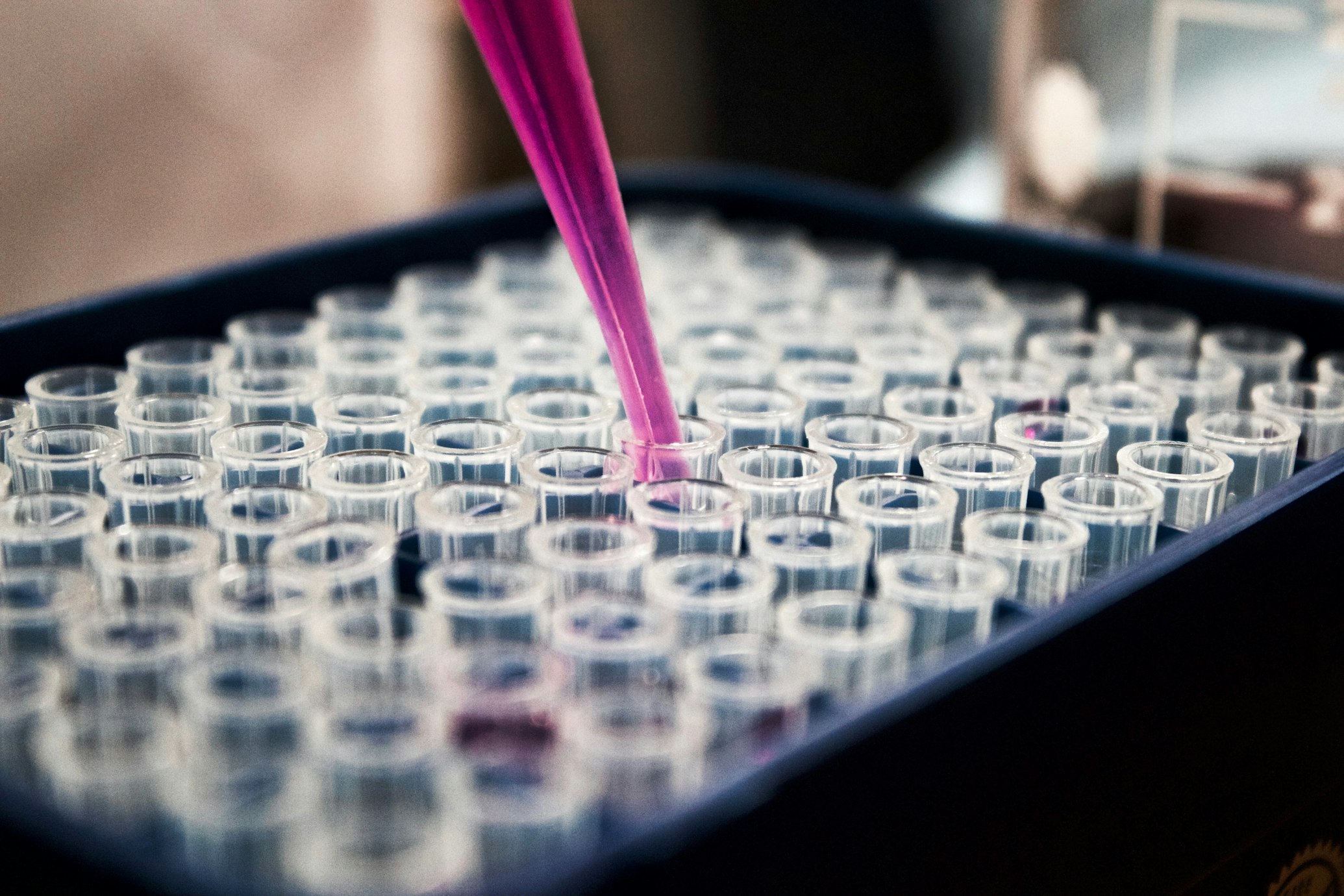
- Maturation Chamber: Heated samples to 130–150°C under 159–241 bar pressure for 19–41 hours—accelerating geological processes 1 .
Results & Analysis
- Physical Changes: Resin transformed from opaque/white to translucent yellow-brown with conchoidal fractures—matching Baltic amber.
- Chemical Shifts: Infrared spectroscopy showed reduced carbonyl (C=O) peaks at 1700 cm⁻¹, signaling volatile loss and polymerization.
- Fidelity Test: Lab resin mirrored Eocene amber's spectral signature but required refinement to match polymerization depth 1 .
Amber Synthesis Parameters & Outcomes
| Parameter | Range Tested | Optimal Value | Effect |
|---|---|---|---|
| Temperature | 130–150°C | 150°C | Enhanced translucency |
| Pressure | 159–241 bar | 241 bar | Accelerated polymerization |
| Time | 19–41 hours | 41 hours | Increased hardness & flow lines |
The Scientist's Toolkit: Resin Research Essentials
Key Reagents for Resin Experiments
| Reagent/Material | Role | Example Use Case |
|---|---|---|
| Bentonite clay | Sediment analog | Mimics burial conditions for resin maturation |
| Infrared spectrometer | Tracks chemical changes | Detects terpenoid loss in synthetic amber |
| Pinus sylvestris resin | Raw material | Source of lab-grown copal/amber |
| Cyclodextrin nanosponges | Enhances solubility | Drug delivery of hydrophobic resins |
| Liposomes | Nano-encapsulation vehicles | Boosts bioavailability of myrrh compounds |
Essential Equipment
- High-pressure reactors
- FTIR spectrometers
- HPLC systems
- Nanoemulsifiers
Key Resin Sources
- Pinus species (pine resin)
- Boswellia (frankincense)
- Commiphora (myrrh)
- Aquilaria (agarwood)
Resins in the Wild: Ecology and Co-Evolution
Chimpanzee Pharmacists
In Uganda's Budongo Forest, chimpanzees treat wounds using medicinal plants humans also use:
Plant-Microbe Alliances
Endophytic fungi in Aquilaria trees trigger ROS bursts that induce agarwood formation—a prized resin. Genomic studies reveal Rboh genes regulate this defense cascade .

Sticky Challenges: The Dark Side of Resin Science
Nanoparticle Risks
Positively charged nanoparticles (used in agriculture) acquire lipid coatings inside plants, binding to RuBisCO and slashing photosynthetic efficiency by 3× 9 .
Sustainability Crisis
Overharvesting endangers resin-producing species (e.g., Commiphora wightii). Induction technologies—like fungal inoculation for agarwood—offer hope .
From Sacred Smoke to 3D Printers: Resin's Futuristic Applications

Conclusion: The Future Is Sticky
Plant resins embody nature's genius for self-preservation—a trait we're now borrowing to preserve everything from antibiotics to ecosystems.
As we refine lab-grown amber, nano-delivery systems, and catalytic resin upcycling, one truth emerges: these ancient "plant tears" are becoming modern science's liquid gold. For researchers, the next frontier lies in resin genomics—editing terpene synthase genes to boost yields without harming trees. After all, sustainability is the ultimate form of preservation.
Glossary
- Gummosis
- Process where plants exude gum/resin to seal wounds.
- Terpenoids
- Primary resin components with antimicrobial properties.
- Rubisco
- Key photosynthetic enzyme impaired by nanoparticles.