How Behavioral Science Is Building Better, Happier Cities
The spaces we live in shape our thoughts, feelings, and actions in ways we are only beginning to understand.
Imagine a city that feels instinctively easy to navigate, a building that lifts your mood as you enter, or a public square that naturally encourages conversation. These are not accidental phenomena but can be the result of a deliberate collaboration between two seemingly disparate fields: architecture and psychology.
For centuries, architects have shaped our world with a focus on form, function, and aesthetics. Yet, the psychological impact of these designs was often an afterthought. Today, a growing interdisciplinary movement is bridging this gap, leveraging insights from behavioral science to create environments that actively promote well-being, foster community, and support sustainability. This is not just about designing buildings; it's about designing human experiences.
"We shape our buildings and afterwards our buildings shape us." 2
The Invisible Blueprint: How Our Environment Steers Us
The core idea at the heart of this collaboration is that the built environment acts as a powerful, continuous nudge, influencing our behavior often outside of our conscious awareness. Winston Churchill famously mused, "We shape our buildings and afterwards our buildings shape us" 2 . We now have the science to understand how this shaping occurs.
Brain Response to Spaces
Research has revealed that specialized cells in our brains are attuned to the geometry and arrangement of the spaces we inhabit 2 .
Green Space Benefits
Access to green space can offset the stress of city living, with studies showing that the health effects of inequality are far less pronounced in greener areas 2 .
From Users to Designers: A New Frontier
Behavioral science's initial application in the built environment focused on the end-user—think smart thermostats that learn patterns to save energy 1 . However, the true transformative potential lies in applying these insights to the designers themselves.
The construction industry often relies on a "default design heuristic," a tendency to overuse designs from prior projects 1 . This explains why a commercial office building from the 1980s might not look vastly different from one built today. By introducing behavioral principles like framing effects and endowed defaults into the design process, we can encourage more ambitious and sustainable outcomes. For instance, when designers using a sustainable infrastructure rating system were given points to lose for poor performance (a loss aversion frame) instead of gaining points for good performance, they set 20% more ambitious sustainability goals 1 . Scaled up, such a tweak could eliminate billions of tons of CO2 1 .
A Tale of Two Cities: The Power of an Experiment
To truly grasp the power of this approach, we can look to a simple yet revealing experiment conducted by researcher Colin Ellard on the streets of Manhattan 2 .
The Methodology: Measuring Mood on the Sidewalk
Ellard's team took a group of subjects for a walk through a bustling city district. As they walked, participants wore wearable devices that monitored skin conductance, a reliable marker of physiological arousal. They also used smartphone apps to report their emotional state at various points 2 .
The route was carefully chosen to pass two very different environments:
- The "Dead Zone": A long, smoked-glass frontage of a large Whole Foods store—a simple, monotonous façade.
- The "Convivial Stretch": A vibrant area filled with restaurants and stores with complex and interesting frontages 2 .

Vibrant, complex street frontages encourage engagement and positive emotions
The Results and Analysis: What the Data Revealed
The data told a clear story. When participants passed the long, blank façade of the Whole Foods store, their arousal and mood states plummeted. The wristbands recorded heightened physiological stress, and the emotion surveys confirmed they felt less engaged. Their behavior also changed: they unconsciously quickened their pace to hurry away 2 .
In contrast, upon reaching the stretch of restaurants and small shops, their physiological readings and self-reported moods improved significantly. They felt more lively and engaged in the stimulating environment 2 .
Physiological and Psychological Responses to Built Environments
| Environment Type | Physiological Arousal (Skin Conductance) | Self-Reported Mood | Observed Behavior |
|---|---|---|---|
| Monotonous Façade | Increased (off the charts) | Negative, less engaged | Quickened pace, seeking to leave |
| Complex/Interesting Façade | Normalized | Positive, lively, engaged | Slower pace, increased browsing |
| Access to Green Space | Reduced stress indicators | Restored, positive | Increased social interaction & dwelling |
This experiment is scientifically important because it objectively quantifies what many have felt intuitively. It moves urban design from subjective opinion to evidence-based practice, demonstrating that building façades are not just aesthetic details but are powerful drivers of human experience and public life. This "emerging disaster in street psychology," as urban expert Charles Montgomery termed it, shows how blank, cold spaces can bleach street edges of conviviality 2 .
The Scientist's Toolkit: Bridging Data and Design
For psychologists and behavioral scientists working with architects, the toolkit extends far beyond a survey and a pencil. It involves a blend of qualitative and advanced technological tools to measure human responses in situ.
Wearable Biosensors
Measures physiological arousal (e.g., skin conductance, heart rate). Objectively quantifies stress or calmness elicited by a space, bypassing self-reporting biases 2 .
Virtual Reality (VR)
Immerses users in simulated, interactive 3D environments. Allows architects and clients to experience a design firsthand before it's built, testing for emotional response and spatial understanding 9 .
Electroencephalogram (EEG)
Records electrical activity in the brain. Measures brain activity related to mental states and mood in different environments 2 .
Smartphone Experience Sampling
Pings users for real-time self-reports on their emotional state. Provides in-the-moment data on how people feel in different parts of a city or building 2 .
Key Research Tools in Environmental Psychology
| Tool | Primary Function | Application in Environmental Design |
|---|---|---|
| Wearable Biosensors | Measures physiological arousal (e.g., skin conductance, heart rate). | Objectively quantifies stress or calmness elicited by a space, bypassing self-reporting biases 2 . |
| Electroencephalogram (EEG) | Records electrical activity in the brain. | Measures brain activity related to mental states and mood in different environments 2 . |
| Virtual Reality (VR) | Immerses users in simulated, interactive 3D environments. | Allows architects and clients to experience a design firsthand before it's built, testing for emotional response and spatial understanding 9 . |
| Smartphone Experience Sampling | Pings users for real-time self-reports on their emotional state. | Provides in-the-moment data on how people feel in different parts of a city or building 2 . |
| fMRI (functional Magnetic Resonance Imaging) | Shows brain activity by detecting changes in blood flow. | In neuroarchitecture, studies how different design elements (e.g., ceiling height, curves) impact brain function 9 . |
Building for the Brain: The Future of Neuro-Architecture
The collaboration is evolving into a new field known as neuro-architecture, which investigates the neural basis of our architectural experiences 9 . Using technologies like fMRI, researchers can now see how design elements directly impact brain function. This scientific grounding helps architects move beyond guesswork to create spaces that, for example, stimulate creativity or foster social interaction 9 .
Healing Architecture
Hospitals are using evidence-based design to incorporate natural light, views of nature, and access to outdoor spaces, which have been shown to support patient recovery and staff resilience 9 .
Biophilic Design
This approach seeks to reconnect humans with nature by incorporating natural elements and patterns into buildings, which can improve cognitive function and reduce stress 9 .
Inclusive Design
By engaging with diverse groups—including children, the elderly, and individuals with various abilities—architects can create spaces that foster inclusivity and make everyone feel valued 7 .
Evolution of Environmental Design Approaches
Traditional Architecture
Focus on form, function, and aesthetics with psychological impact as an afterthought.
Evidence-Based Design
Incorporating research findings into design decisions, particularly in healthcare and educational settings.
Behavioral Science Integration
Applying principles from psychology to influence both user behavior and designer decision-making.
Neuro-Architecture
Using neuroscience tools to directly study brain responses to architectural elements and spaces.
Conclusion: A Call for Collaborative Construction
The gap between psychology and architecture is not a chasm but a fertile ground for innovation. As we have seen, from simple street-side experiments to advanced brain imaging, the evidence is clear: our surroundings profoundly shape who we are. The imperative to design something unique and individual must be balanced with the responsibility for how that creation will shape human behavior and well-being 2 .
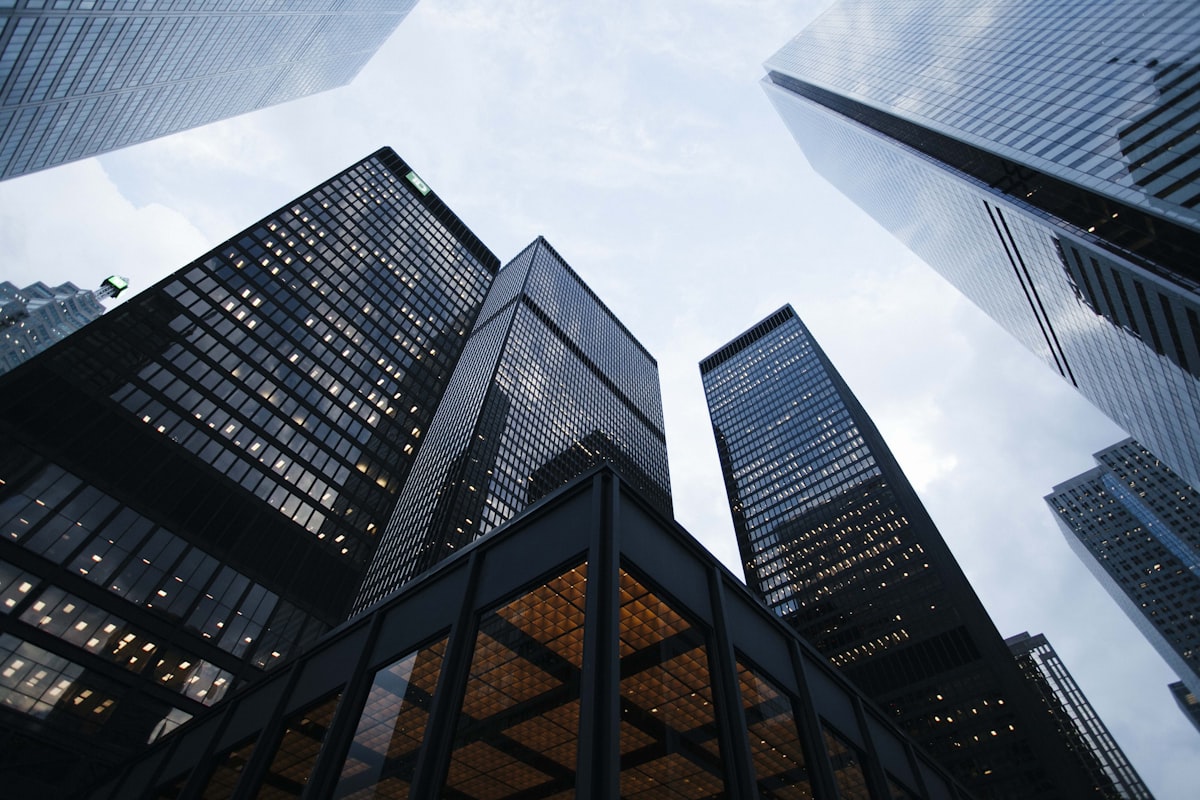
The future of urban design integrates behavioral science to create healthier, more engaging environments
The future of our built environment—from our homes and hospitals to our cities and public squares—depends on a continued and deepening dialogue between those who design our world and those who understand the human mind. By embracing this collaboration, we can ensure that the cities of tomorrow are not just collections of structures, but ecosystems of well-being, designed not only to shelter us but to help us thrive.