Integrating GIS and Traditional Ecological Knowledge: A Spatial Framework for Drug Discovery and Bioprospecting
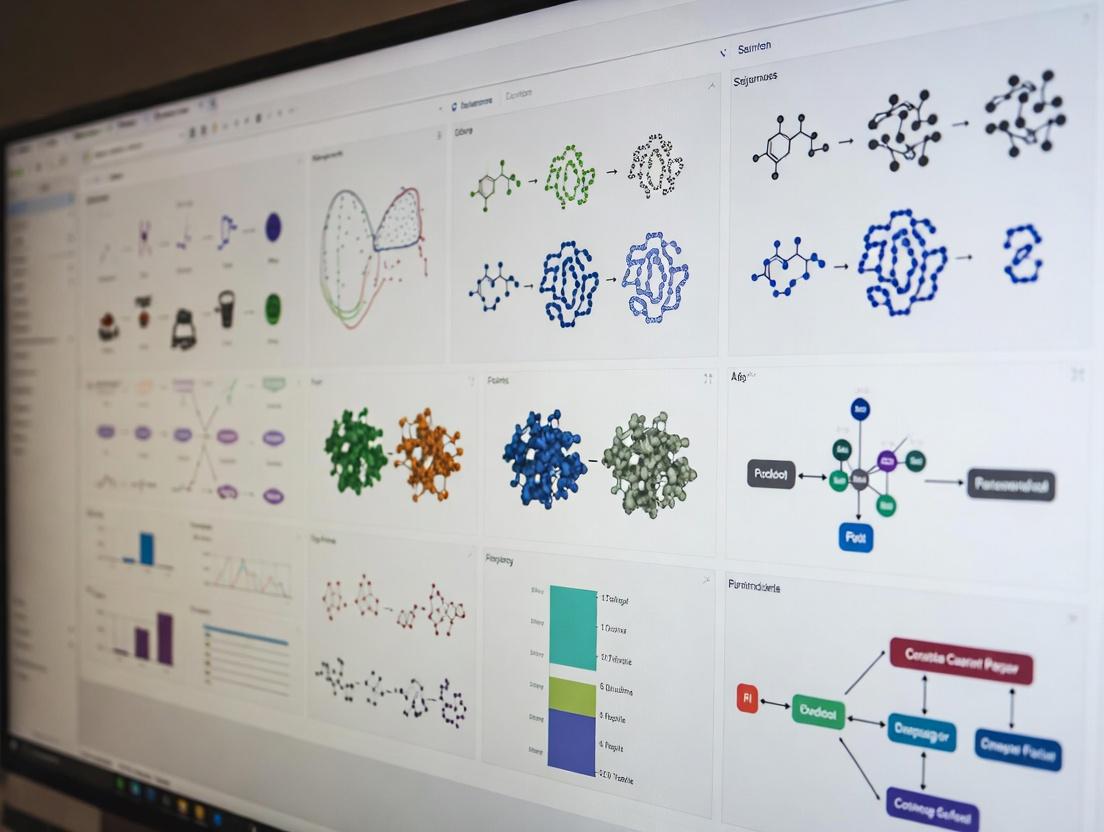
This article explores the critical integration of Geographic Information Systems (GIS) with Traditional Ecological Knowledge (TEK) to revolutionize modern drug discovery and bioprospecting.
Integrating GIS and Traditional Ecological Knowledge: A Spatial Framework for Drug Discovery and Bioprospecting
Abstract
This article explores the critical integration of Geographic Information Systems (GIS) with Traditional Ecological Knowledge (TEK) to revolutionize modern drug discovery and bioprospecting. Aimed at researchers and pharmaceutical professionals, we examine the foundational principles of this interdisciplinary approach, detail methodologies for spatial data collection and analysis, address key challenges in data integration and ethics, and validate outcomes through case studies and comparative analysis. We demonstrate how this powerful synthesis can identify novel bioactive compounds, guide sustainable resource management, and foster ethical collaboration with indigenous communities, offering a robust, spatially-informed pathway for biomedical innovation.
Mapping the Roots: Understanding the Synergy Between GIS and Traditional Ecological Knowledge
Defining Traditional Ecological Knowledge (TEK) and Its Role in Ethnobotany and Ethnopharmacology
Traditional Ecological Knowledge (TEK) is a cumulative body of knowledge, practice, and belief, evolving by adaptive processes and handed down through generations by cultural transmission, about the relationship of living beings (including humans) with one another and with their environment. In the context of ethnobotany and ethnopharmacology, TEK provides the foundational cultural framework for identifying, using, and managing plant resources for medicinal, nutritional, and utilitarian purposes.
Ethnobotany is the scientific study of the dynamic relationships between peoples, plants, and their environment. Ethnopharmacology is the interdisciplinary scientific exploration of biologically active agents traditionally used by various cultures, focusing on the validation of efficacy and safety.
The Role of TEK in Ethnobotany and Ethnopharmacology: Applications and Protocols
TEK serves as a critical, culturally contextualized hypothesis generator for drug discovery and sustainable resource management. Its integration into modern science requires systematic and respectful protocols.
Application Note: From TEK to Lead Compound Identification
Objective: To systematically document and validate medicinal plant uses from a TEK framework through to in vitro bioassay.
Key Quantitative Data Summary:
Table 1: Success Rates in Drug Discovery from Ethnobotanical Leads (2000-2023)
| Discovery Pathway | Total Investigated Species | Leads with Confirmed In Vitro Activity | Percentage (%) | References (Meta-Analysis) |
|---|---|---|---|---|
| Random Screening | ~100,000 | ~125 | 0.125% | [1, 2] |
| Ethnobotanical/TEK-Guided | ~2,500 | ~500 | 20% | [1, 2, 3] |
| Comparative Yield | 40x more species needed via random screening for similar lead count |
Table 2: Common Ethnopharmacological Bioassay Targets for TEK-Indicated Uses
| TEK-Reported Use | Potential Biological Target | Standard In Vitro Assay Protocol |
|---|---|---|
| Anti-inflammatory | COX-1/COX-2 inhibition | ELISA for PGE2 production |
| Anti-diabetic | α-Glucosidase inhibition | Spectrophotometric enzyme assay |
| Antimicrobial | Bacterial growth inhibition | Broth microdilution (MIC) |
| Wound healing | Fibroblast proliferation | MTT assay on NHDF cells |
Protocol 1: Ethical TEK Documentation and GIS Data Integration
Title: Georeferenced Ethnobotanical Interview and Plant Collection Protocol.
Purpose: To document TEK with Free, Prior, and Informed Consent (FPIC), linking species-use data with precise geographical and ecological variables for GIS mapping.
Materials (Research Toolkit):
Table 3: Research Toolkit for TEK Documentation and Collection
| Item/Category | Specific Example/Description | Function in Research |
|---|---|---|
| Ethical/Legal | Prior Informed Consent (PIC) Forms, Benefit-Sharing Agreement (Draft) | Ensures ethical compliance with CBD/Nagoya Protocol. |
| Recording | Digital Voice Recorder, GPS Device (e.g., Garmin GPSMAP 66sr) | Accurately records interviews and collects geocoordinates (WGS84). |
| Botanical | Plant Press, Silica Gel Desiccant, Herbarium Voucher Specimen Tags | Preserves botanical reference specimens for taxonomic identification. |
| GIS Field Kit | Mobile GIS App (e.g., QField, Survey123), External Battery Pack | Enables real-time geotagging of collection sites and ecological notes. |
| Data Management | Unique ID System (e.g., TEK-001-SP-001), Relational Database (e.g., PostgreSQL/PostGIS) | Maintains chain of custody and links interview, specimen, and spatial data. |
Procedure:
- Community Engagement & FPIC: Prior to research, engage with community leadership. Explain project goals, data use, and potential benefits. Obtain written or recorded oral consent.
- Semi-Structured Interview: Conduct interviews with knowledgeable community members (ethnobotanical specialists). Use open-ended questions about plant uses, preparation methods, phenology, and harvesting practices.
- Georeferenced Collection: With the informant's guidance, visit the plant collection site. Record GPS coordinates, altitude, habitat, and associated species. Collect voucher specimens following standard botanical protocols (duplicate specimens: one for local herbarium, one for research institution).
- Data Tagging: Assign a unique ID linking the interview audio, the collected specimen, and the GPS waypoint.
- GIS Data Entry: Input geocoordinates and associated attribute data (plant species, use, informant code, date) into a GIS layer (e.g., a shapefile or geodatabase feature class).
Protocol 2:In VitroValidation of TEK-Guided Anti-Inflammatory Activity
Title: COX-2 Inhibition Assay for Plant Extract Screening.
Purpose: To experimentally validate the anti-inflammatory potential of a plant extract identified through TEK documentation.
Materials: RAW 264.7 macrophage cell line, DMEM culture medium, LPS (E. coli O111:B4), test plant extract (standardized dried extract in DMSO), Celecoxib (reference inhibitor), Prostaglandin E2 (PGE2) ELISA Kit, cell culture incubator, microplate reader.
Procedure:
- Cell Culture: Maintain RAW 264.7 cells in DMEM + 10% FBS. Seed cells in a 96-well plate at 1x10^5 cells/well. Incubate (37°C, 5% CO2) for 24h.
- Treatment: Pre-treat cells with varying concentrations of plant extract (e.g., 1, 10, 50 µg/mL) or Celecoxib (10 µM) for 1h. Then, stimulate inflammation by adding LPS (100 ng/mL) to all wells except vehicle control. Incubate for 18-24h.
- PGE2 Measurement: Centrifuge plate (300 x g, 5 min). Collect supernatant. Analyze PGE2 levels using a commercial ELISA kit according to manufacturer instructions.
- Data Analysis: Calculate % inhibition relative to LPS-only control. Determine IC50 values using non-linear regression analysis. Compare to reference inhibitor.
Protocol 3: GIS-Based Analysis of TEK Data for Bioprospecting
Title: Spatial Analysis of Ethnobotanical Richness and Ecological Parameters.
Purpose: To identify hotspots of medicinal plant knowledge and correlate them with environmental variables to guide conservation and collection efforts.
Procedure:
- Data Layer Creation: Create point layers for georeferenced collection sites. Attribute data must include: Species, Use Category, Informant ID.
- Hotspot Analysis: Use kernel density estimation (KDE) or Getis-Ord Gi* statistic to identify significant spatial clusters of high diversity of medicinal species or high consensus on specific uses.
- Overlay Analysis: Superimpose TEK hotspot layers with environmental raster layers (e.g., precipitation from WorldClim, soil type from SoilGrids, protected area boundaries).
- Spatial Correlation: Perform a MaxEnt species distribution model or simple logistic regression to understand which ecological factors (elevation, NDVI, distance to water) best predict the presence of highly cited medicinal species.
Visualizations
Title: Integrated TEK to Lab Validation Workflow with GIS
Title: Anti-inflammatory COX-2 Pathway and Inhibition Sites
Application Notes
Integrating TEK with Biophysical Data for Bioprospecting
The convergence of Traditional Ecological Knowledge (TEK) and GIS-based biophysical analysis creates a powerful framework for identifying bioactive compounds. Modern research protocols systematically georeference ethnobotanical surveys to correlate culturally significant plant use with ecological variables predictive of secondary metabolite production.
Table 1: Quantitative Correlations Between GIS-Derived Environmental Stressors and Bioactive Compound Concentration
| Plant Species (Traditional Use) | GIS-Layer Analyzed | Correlation Metric (R²) with Compound Yield | Key Bioactive Compound | Potential Therapeutic Area |
|---|---|---|---|---|
| Artemisia annua (Malaria) | Solar Radiation Index | 0.87 | Artemisinin | Antimalarial |
| Salix alba (Pain/Fever) | Soil Water Content | 0.72 | Salicin | Analgesic/Anti-inflammatory |
| Catharanthus roseus (Diabetes) | Diurnal Temperature Range | 0.81 | Vincristine/Vinblastine | Anticancer |
| Digitalis purpurea (Heart Ailments) | Elevation (Aspect) | 0.69 | Digoxin | Cardiovascular |
Spatial Predictive Modeling for Novel Compound Discovery
GIS enables the creation of Species Distribution Models (SDMs) to predict habitats for culturally important species under-studied in pharmacological contexts. By modeling ecological niches, researchers can prioritize field collection sites.
Table 2: Accuracy Metrics for SDMs Predicting Medicinal Plant Habitats
| Model Algorithm | Mean AUC (Area Under Curve) | Spatial Resolution | Key Predictive Environmental Variables |
|---|---|---|---|
| MaxEnt | 0.91 | 30m | BioClim Variables (Temp, Prec), Soil pH, NDVI |
| Random Forest | 0.94 | 10m | Topographic Wetness Index, Land Surface Temp, Geologic Substrate |
| Generalized Linear Model (GLM) | 0.85 | 100m | Precipitation Seasonality, Isothermality |
Experimental Protocols
Protocol 1: Georeferencing Ethnobotanical Survey Data for GIS Integration
Objective: To spatially enable traditional knowledge data for overlay with environmental raster datasets.
Materials:
- GPS receiver (sub-meter accuracy)
- Ethnobotanical survey forms with informed consent protocols
- Mobile data collection app (e.g., ODK Collect, Survey123)
- GIS software (e.g., QGIS, ArcGIS Pro)
Procedure:
- Prior Informed Consent & Ethics: Obtain consent from knowledge holders, clearly explaining the geospatial component of data collection.
- Field Data Collection: a. For each cited plant use, record the GPS location (WGS84 datum) of the plant collection or observation point. b. Record attribute data: plant species (vernacular and scientific), plant part used, preparation method, associated ailment, cultural significance level. c. Take geotagged photographs.
- Data Post-Processing: a. Import point data and attributes into GIS. b. Convert points to a shapefile or geodatabase feature class. c. Perform coordinate validation and remove any erroneous points (e.g., outliers).
- Spatial Join: Join the ethnobotanical point layer with relevant environmental raster data (e.g., climate, soil, topography) using extraction tools to create a unified attribute table.
Protocol 2: Spatial Statistical Analysis for Identifying Significant Bioactivity Corridors
Objective: To statistically test the hypothesis that environmental variables in areas of high TEK use predict increased bioactive compound concentration.
Materials:
- GIS software with spatial statistics toolbox (e.g., ArcGIS, R with
spatstat/rgdal) - Laboratory assay data on compound concentration from plant samples
- Processed raster layers of environmental variables
Procedure:
- Sampling Design: Using the georeferenced plant locations, perform a stratified random sampling to collect plant material for biochemical assay. Include control sites outside TEK-reported areas.
- Data Layer Alignment: Ensure all raster layers (climate, soil, elevation) and sample point data are in the same coordinate system and pixel resolution.
- Extract Raster Values to Points: For each sample point, extract the digital values from all aligned environmental rasters.
- Statistical Modeling: a. Perform a Multiple Regression or Geographically Weighted Regression (GWR) using assayed compound concentration as the dependent variable and environmental values as independent variables. b. Validate the model using a leave-one-out cross-validation or a holdback subset of sample points. c. Generate a prediction map of estimated bioactivity across the study region using the regression model coefficients.
Diagrams
GIS-TEK Integration Workflow for Bioprospecting
The Scientist's Toolkit: Research Reagent Solutions & Essential Materials
Table 3: Essential Toolkit for GIS-Integrated TEK Research
| Item/Category | Function in Research | Example Product/Software |
|---|---|---|
| Field Data Collection | ||
| High-Accuracy GPS Receiver | Precise geolocation of plant specimens and interview sites. | Trimble R2, Garmin GPSMAP 66sr |
| Mobile Data Collection App | Digital, geotagged capture of survey and observational data. | Esri Survey123, ODK Collect |
| Spatial Data Management & Analysis | ||
| GIS Software Platform | Core tool for spatial data integration, analysis, and visualization. | QGIS (Open Source), ArcGIS Pro |
| Spatial Statistics Package | Perform advanced spatial regression and pattern analysis. | R (spatial, sf, terra packages), ArcGIS Spatial Analyst |
| Remote Sensing Imagery | Provides environmental layers (vegetation, temperature, moisture). | Sentinel-2, Landsat 8/9, Commercial UAV data |
| Laboratory Integration | ||
| Laboratory Information Management System (LIMS) | Links sample ID to GIS coordinates and field data. | Benchling, SampleManager |
| Phytochemical Screening Assays | Quantify bioactive compound presence/concentration from geolocated samples. | HPLC-MS, ELISA-based activity assays |
| Collaboration & Ethics | ||
| Traditional Knowledge (TK) Labels | Digital tags to encode cultural provenance and consent conditions. | Local Contexts TK & BC Labels |
| Secure Geodatabase | Store sensitive locational and cultural data with access controls. | PostgreSQL/PostGIS with role-based permissions |
Application Notes & Protocols
TEK-GIS Integration Framework
Protocol 1.1: Spatial-Temporal Documentation of TEK
- Objective: To georeference and temporally tag qualitative TEK data for quantitative spatial analysis.
- Methodology:
- Participant Recruitment & Ethics: Secure prior informed consent from knowledge holders. Protocols must be approved by an Institutional Review Board (IRB) or relevant ethics committee, respecting the CARE Principles for Indigenous Data Governance.
- Structured Geospatial Interviews: Conduct interviews using mobile GIS applications (e.g., ArcGIS Field Maps, QField). Present knowledge holders with base maps (satellite imagery, topographic) to prompt location-specific information.
- Data Entry: For each data point (e.g., medicinal plant location, fishing ground, ceremonial site), capture:
- Point, line, or polygon geometry.
- Temporal attributes (seasonality, historical use).
- Descriptive attributes (species, practice, narrative).
- Confidence/uncertainty metrics as provided by the holder.
- Data Validation: Use member-checking protocols where knowledge holders review and confirm the mapped data.
Protocol 1.2: Biocultural Diversity Hotspot Analysis
- Objective: To identify areas of high overlap between biological diversity and cultural use intensity.
- Methodology:
- Data Layer Preparation: Standardize raster/vector layers for:
- TEK Use Intensity (derived from Protocol 1.1 density analysis).
- Species Richness (from ecological survey or remote sensing-derived indices like NDVI).
- Threat Layers (e.g., deforestation, urbanization, climate change projections).
- Overlay Analysis: Perform a weighted overlay analysis using GIS spatial analyst tools (e.g., ArcGIS Weighted Overlay, QGIS Raster Calculator).
- Hotspot Delineation: Use Getis-Ord Gi* or Anselin Local Moran's I statistics to identify statistically significant clusters of high biocultural value.
- Data Layer Preparation: Standardize raster/vector layers for:
Diagram Title: TEK-GIS Data Integration & Analysis Workflow
Analytical Protocols for Drug Discovery Prioritization
Protocol 2.1: Predictive Modeling of Medicinal Plant Distribution
- Objective: Model the potential geographic distribution of a TEK-identified medicinal plant under current and future climate scenarios to assess sustainability and collection logistics.
- Methodology:
- Occurrence Data: Compile georeferenced plant locations from TEK documentation.
- Environmental Variables: Obtain bioclimatic raster layers (WorldClim) and soil/terrain data.
- Modeling: Execute a Maximum Entropy (MaxEnt) species distribution model within GIS (using plugins like SDMtoolbox).
- Projection: Project the model onto future climate layers (e.g., CMIP6 scenarios) to predict range shifts.
Protocol 2.2: Proximity Analysis for Bioprospecting & Conservation Conflict
- Objective: Quantify spatial relationships between TEK-derived resource areas and zones of threat or legal protection.
- Methodology:
- Buffer & Zone Creation: Create buffers around TEK resource polygons.
- Intersection Analysis: Statistically analyze the intersection between:
- TEK use areas and protected area boundaries.
- TEK use areas and areas of high deforestation risk.
- Accessibility Modeling: Use cost-distance analysis to model physical or legal access to resources for community members or researchers.
Diagram Title: Predictive Species Distribution Modeling Workflow
Data Presentation
Table 1: Comparative Analysis of GIS Platforms for TEK Documentation
| Platform | Key Feature for TEK | Cost Model | 3D/ Temporal Support | Indigenous Data Sovereignty Tools | Suitability for Drug Dev. Research |
|---|---|---|---|---|---|
| ArcGIS Online/Pro | Robust mobile data collection (Field Maps); Advanced spatial statistics. | Subscription/High | Excellent (ArcGIS Pro) | Limited; requires custom configuration. | High (Enterprise-level analysis, modeling) |
| QGIS | Open-source; Plugins for participatory mapping (Qgis2web). | Free/Open Source | Good (Plugins) | Better; data remains on local servers. | High (Cost-effective for resource analysis) |
| Google Earth Engine | Massive planetary-scale analysis of remote sensing time series. | Freemium | Excellent (Time series) | Poor; cloud-based. | Medium-High (For habitat change analysis) |
| Mapeo | Built for Indigenous mapping; offline-first; peer-to-peer data sync. | Free/Open Source | Basic | Excellent (Designed for sovereignty) | Medium (Focused on documentation, not complex analysis) |
Table 2: Quantitative Outputs from a Hypothetical TEK-GIS Medicinal Plant Study
| Analysis Type | Metric | Value | Significance for Drug Development |
|---|---|---|---|
| Use Intensity Density | Area of High Use Density | 150 km² | Prioritizes geographic zones for ethnobotanical collection. |
| Species Distribution Model | Area Under Curve (AUC) | 0.89 | High model accuracy validates TEK-derived location data. |
| Climate Change Projection | Range Loss by 2050 (RCP 4.5) | -35% | Flags sustainability/ sourcing risks for a potential drug candidate. |
| Threat Overlay | % of High-Use Area in Active Deforestation Zone | 22% | Identifies urgent conservation needs for source species. |
| Accessibility Analysis | Mean Travel Time to Resource from Community | 4.5 hrs | Informs logistics and benefit-sharing considerations. |
The Scientist's Toolkit: Research Reagent Solutions
| Item/Category | Function in TEK-GIS Research | Example Product/Platform |
|---|---|---|
| Mobile Data Collection App | Enables georeferenced data capture in the field with offline capability. | ArcGIS Field Maps, QField, KoBoToolbox, Mapeo. |
| Ethics & Governance Framework | Guides consent, data ownership, and future use. | CARE Principles, Local and Traditional Knowledge (LTK) Guidance (IPBES), IRB Protocols. |
| Spatial Database | Stores complex TEK data (geometry, attributes, media). | PostgreSQL/PostGIS, GeoPackage format. |
| Participatory Mapping Kit | Facilitates community-based mapping workshops. | Printed base maps, GPS units, physical tokens for marking features. |
| Species Distribution Modeling Tool | Predicts habitat range and models climate impact. | MaxEnt, SDMtoolbox (ArcGIS), dismo package (R). |
| Satellite Imagery & Derived Products | Provides environmental context and change detection. | Landsat/Sentinel data, NASA SRTM elevation, IUCN Red List spatial data. |
| Geostatistical Analysis Software | Performs hotspot analysis, interpolation, and spatial regression. | ArcGIS Spatial Analyst, QGIS with SAGA/GRASS, R (spatstat, gstat). |
Application Notes & Protocols for GIS Mapping of Traditional Ecological Knowledge (TEK)
Foundational Theoretical Integration for GIS-TEK Research
Core Synergistic Application: Integrating these three frameworks guides the spatial documentation of TEK as a dynamic, place-based system crucial for socio-ecological resilience. Biocultural Diversity provides the ontological foundation, Spatial Ethnobiology the methodological bridge, and Resilience Theory the evaluative and prognostic lens.
Quantitative Data on Framework Relevance (2020-2024):
Table 1: Prevalence of Theoretical Frameworks in Recent TEK/GIS Literature (Scopus Database)
| Framework | Number of Peer-Reviewed Articles (2020-2024) | Primary Research Focus | Common GIS Application |
|---|---|---|---|
| Biocultural Diversity | 1,240 | Documenting co-evolution of linguistic, cultural, and biological traits | Participatory mapping of sacred sites, customary resource territories |
| Spatial Ethnobiology | 587 | Analyzing spatial distribution of species knowledge & use | Point-pattern analysis of resource collection sites; knowledge landscape modeling |
| Resilience Theory | 892 | Assessing capacity of TEK-based systems to withstand disturbance | Scenario modeling; mapping of adaptive practices & ecological memory indicators |
Protocol: Spatial Ethnobiology Field Survey for GIS Integration
Objective: To systematically geolocate and document ethnobiological knowledge for spatial analysis of biocultural diversity and resilience indicators.
Protocol Steps:
Pre-Field Preparations:
- Community Agreement: Establish Prior Informed Consent (PIC) and mutually agreed benefit-sharing.
- Base Map Preparation: Load high-resolution satellite imagery and topographic layers onto ruggedized tablets or smartphones.
- Semi-Structured Interview Design: Develop questionnaires focusing on species use, management practices, and perceived environmental changes.
Participatory Mapping Session:
- Method: Conduct group or individual interviews with local knowledge holders.
- Procedure: Using the prepared base maps on digital devices, participants annotate maps directly by:
- Digitizing polygons of resource collection areas, sacred groves, or community forests.
- Placing points for specific locations of medicinal plant collection, fishing grounds, or historical events.
- Drawing lines for seasonal migration routes or boundaries of traditional management zones.
- Attribute Collection: For each spatial feature, record associated data: species name (vernacular and scientific), use (medicinal, food, craft), seasonal availability, perceived abundance trend, and associated rituals or stories.
Field Verification & Transect Walks:
- Method: GPS-groundtruthing and "walk-in-the-woods" interviews.
- Procedure: Accompany participants to a subset of mapped locations. Record precise GPS coordinates, take voucher specimens (with appropriate permits), and photograph habitats. Discuss ecological context and management practices on-site.
Data Processing & GIS Analysis:
- Spatial Database Creation: Structure data into a geodatabase with feature classes (points, lines, polygons) and related attribute tables.
- Analysis:
- Biocultural Diversity: Calculate spatial overlap indices between areas of high linguistic/cultural significance and biodiversity hotspots (using overlay analysis).
- Spatial Ethnobiology: Perform kernel density estimation to create "knowledge heatmaps"; analyze distance-decay of knowledge from villages.
- Resilience Indicators: Map the diversity and spatial configuration of resource areas as a proxy for response diversity. Model landscape connectivity for key cultural species.
Visualization: Conceptual Workflow for Integrated GIS-TEK Research
Integrated GIS-TEK Research Workflow
The Scientist's Toolkit: Key Research Reagent Solutions
Table 2: Essential Materials for Integrated Field and GIS Research
| Item / Solution | Function & Application |
|---|---|
| Ruggedized Tablet with GNSS | Field data collection device; runs GIS apps (e.g., QField, Survey123) for participatory mapping and precise (<3m) geolocation. |
| Ethnobotanical Press & Herbarium Supplies | For creating voucher specimens of cited species, enabling taxonomic verification and linkage of TEK to biological reference collections. |
| Structured & Semi-Structured Interview Protocols | Standardized yet flexible tools to document TEK attributes (use, management, change) consistently for quantitative coding and analysis. |
| Geodatabase Template (e.g., ArcGIS, QGIS) | Pre-defined schema with feature classes and attribute fields for biocultural data, ensuring consistent, interoperable data management. |
| Spatial Analysis Software Suite | Enables overlay analysis, spatial statistics, and modeling (e.g., MaxEnt for species distribution, Fragstats for landscape metrics). |
| Free, Prior & Informed Consent (FPIC) Documentation Kit | Legal-ethical foundation for research; includes translated agreements, benefit-sharing plans, and data sovereignty protocols. |
Protocol: Resilience Assessment via TEK Spatial Pattern Analysis
Objective: To measure socio-ecological resilience by analyzing the spatial configuration and diversity of culturally important landscapes.
Detailed Methodology:
Define Focal System & Variables:
- Delineate the community territory as the system boundary using participatory maps.
- Identify key biocultural variables (BCVs): e.g., patches of old-growth forest (sacred groves), diversity of agroforestry plots, density of medicinal plant collection sites.
Spatial Metrics Calculation (Using GIS):
- For each BCV, calculate:
- Response Diversity: Shannon Diversity Index of different habitat types or species used for the same purpose (e.g., multiple fever-reducing plants).
- Ecological Memory: Size, quality, and connectivity of sacred/protected areas that serve as refugia.
- Spatial Redundancy: Degree of overlap in resource collection areas among different community subgroups.
- Formula (Example - Shannon Diversity for Response Diversity):
H' = -Σ (p_i * ln(p_i))wherep_iis the proportion of the total use accounted for by species or habitati.
- For each BCV, calculate:
Temporal Change Analysis:
- Compare current participatory maps with historical maps (if available) or aerial imagery from different decades.
- Conduct interviews on perceived change ("Have you had to collect this plant further away in the last 10 years?").
- Quantify metrics like: Mean Distance to Resource over time, or Patch Fragmentation Index of culturally significant habitats.
Resilience Indicator Integration:
- Combine spatial metrics with interview data on social institutions (governance, knowledge transmission) to create a composite resilience profile.
- Model potential disturbance scenarios (e.g., deforestation, climate shift) on the mapped BCVs to identify potential tipping points.
Visualization: Signaling Pathway from TEK Disturbance to Adaptive Response
TEK-Based Adaptive Response Pathway
Application Notes and Protocols for GIS-TEK Research in Bioprospecting
Foundational Governance Framework
Protocol 1.1: Sovereignty and Governance Assessment Prior to Engagement
- Objective: To establish the legal and governance landscape before any research engagement.
- Methodology:
- Identify Rights-Holders: Determine the specific Indigenous Nation(s) with inherent sovereignty and territorial rights to the region of interest. Do not rely solely on state-recognized "stakeholders."
- Governance Structure Mapping: Document the Nation's own governance structures for research, data, and resource management (e.g., Tribal IRBs, Data Sovereignty Offices, Traditional Councils).
- Legal Landscape Review: Analyze relevant treaties, national laws (e.g., U.S. Native American Graves Protection and Repatriation Act, Nagoya Protocol), and the UN Declaration on the Rights of Indigenous Peoples (UNDRIP) as they apply.
- Deliverable: A governance map and legal summary table, approved by the Nation's designated authority, required before any contact regarding PIC.
Protocol 1.2: Implementing Dynamic Prior Informed Consent (PIC)
- Objective: To secure and maintain consent that is specific, documented, and ongoing.
- Methodology:
- Consent Design: Develop PIC materials in the preferred language(s) of the community, separating consent for: a) Field collection, b) Data generation/storage, c) Specific analyses (e.g., genetic sequencing), d) Commercialization.
- Engagement Process: Present materials through community-chosen facilitators. Allow for extensive deliberation time. Consent must be obtained from both collective governance bodies and individual knowledge holders.
- Dynamic Re-consent: Establish triggers for re-negotiation (e.g., new research partners, unforeseen commercial applications, data sharing beyond original scope).
- Deliverable: Signed, witnessed PIC agreements for each phase, stored per mutually agreed data management plan.
Operationalizing the CARE Principles in GIS and Drug Development Workflows
The CARE Principles (Collective Benefit, Authority to Control, Responsibility, Ethics) guide the technical implementation of Indigenous Data Governance.
Protocol 2.1: GIS Mapping with Embedded CARE Principles
- Objective: To create spatial data products that affirm Indigenous authority and prevent harm.
- Methodology:
- Data Input & Categorization: Classify all data inputs using the following schema (Table 1).
- Technical Implementation: Use GIS platforms that support granular access control (e.g., role-based logins, view-only layers). Apply geographic masking or aggregation to sensitive TEK data (e.g., blurring precise locations of sacred sites or rare species).
- Metadata Schema: Use extended metadata fields to document PIC status, allowed uses, and cultural context using standards like the Traditional Knowledge Labels (TK Labels) framework.
- Deliverable: CARE-compliant GIS databases with access protocols defined by Indigenous partners.
Table 1: TEK Data Categorization for GIS Protocols
| Data Category | Description | Example | Default GIS Protocol |
|---|---|---|---|
| Public Knowledge | Widely shared, non-sensitive cultural information. | General oral history of seasonal cycles. | May be publicly accessible with attribution. |
| Circumscribed Knowledge | Knowledge shared within specific genders, roles, or lineages. | Medicinal plant preparation by healers. | Restricted access; requires role-based permissions. |
| Sacred/Secret Knowledge | Ritual, ceremonial, or highly localized ecological knowledge. | Location of ceremonial sites or rare species. | Not digitized or mapped. Retained in analog, community-held records only. |
Protocol 2.2: From GIS to Bioprospecting: Ethical Transfer and Benefit-Sharing
- Objective: To ensure ethical translation of spatially-informed TEK into drug discovery pipelines.
- Methodology:
- Material Transfer Agreement (MTA) Alignment: Ensure MTAs for physical samples (e.g., soil, plant) reference and are subordinate to the overarching PIC agreement and data sovereignty plan.
- Benefit-Sharing Trigger Framework: Co-design a table (Table 2) that links research milestones to concrete benefits.
- Data Flow Audit Trail: Implement blockchain or other immutable ledger systems to log all access and use of derived digital data (genomic sequences, chemical structures) linked to original TEK.
- Deliverable: Co-developed benefit-sharing agreement and transparent audit trail for all derived data and materials.
Table 2: Milestone-Based Benefit-Sharing Framework
| Research & Development Milestone | Immediate Community Benefit | Long-Term Commercial Benefit (if applicable) |
|---|---|---|
| Sample Collection & Initial Research | Capacity-building funding; employment of community researchers. | Acknowledgment in all publications; IP ownership defined. |
| Identification of Active Compound | Joint publication; scholarships for community youth in STEM. | Percentage of licensing revenue; patent co-ownership. |
| Pre-clinical/Clinical Trial Phases | Community-directed health initiatives; infrastructure development. | Pre-negotiated royalty share; equity in spin-out ventures. |
| Market Release of Product | Sustained royalty stream; local manufacturing opportunities. | Board representation for governance; cultural integrity review. |
The Scientist's Toolkit: Research Reagent Solutions for Ethical TEK-Based Research
| Item / Solution | Function in Ethical TEK-GIS Research |
|---|---|
| CARE Principles Checklist | A procedural reagent to audit every project stage against Collective Benefit, Authority, Responsibility, and Ethics. |
| Dynamic PIC Framework | The foundational protocol for establishing and maintaining legitimate, ongoing consent. |
| Traditional Knowledge (TK) & Biocultural Labels | Digital tags (e.g., TK Labels) embedded in metadata to communicate provenance, permissions, and cultural protocols. |
| Granular-Access GIS Platform | A technical system (e.g., ArcGIS Online/Enterprise with custom roles) enabling spatial data sharing with tiered, community-defined permissions. |
| Geographic Masking Algorithm | A software tool to obfuscate precise coordinates of sensitive sites, protecting them while preserving analytical value of regional data. |
| Benefit-Sharing Agreement Template | A co-developed legal framework that outlines concrete, milestone-triggered benefits prior to research initiation. |
| Immutable Data Audit Log | A system (e.g., blockchain-based ledger) to create a transparent, unchangeable record of data access and use. |
| Cultural Governance Liaison | Not a tool, but an essential role: a community-appointed professional who facilitates communication and monitors protocol adherence. |
Ethical TEK-GIS Research Workflow
CARE Principles Interdependence Diagram
From Field to Map: Practical Methods for Geospatial TEK Data Collection and Analysis in Research
Designing Participatory GIS (PGIS) and Mobile Data Collection Protocols with Communities
This document provides Application Notes and Protocols for integrating Participatory GIS (PGIS) and mobile data collection into research focused on mapping Traditional Ecological Knowledge (TEK). Within a thesis on GIS-mapped TEK, these methods serve to ethically and accurately document spatially-explicit knowledge held by Indigenous and local communities regarding medicinal flora, ecological patterns, and resource use. This data is critical for researchers and drug development professionals seeking to identify bioactive compounds within an ethnobotanical and ecological context, ensuring prior informed consent and equitable benefit-sharing.
Table 1: Comparison of Mobile Data Collection Platforms for PGIS-TEK Research
| Platform | Primary Use Case | Cost Model (Approx.) | Offline Capability | Key Feature for TEK Research |
|---|---|---|---|---|
| KoBoToolbox | Form-based data collection | Free / Open Source | Excellent | Strong ethics & consent integration; media capture. |
| ArcGIS Field Maps | Integrated ESRI ecosystem | Paid (Licensing) | Excellent | High-precision GPS; direct sync to ArcGIS Online. |
| QField (QGIS) | Open-source mobile GIS | Free / Open Source | Excellent | Full QGIS project editing in field; no vendor lock-in. |
| ODK Collect | Form-based data collection | Free / Open Source | Excellent | Highly customizable; large user community. |
| Fulcrum | Commercial field data app | Subscription ($) | Excellent | Advanced workflows & data validation. |
Table 2: Common Spatial Data Types Collected in TEK-PGIS Studies
| Data Type | Example in TEK Research | Typical Collection Method | Precision Requirement |
|---|---|---|---|
| Point | Location of a medicinal plant. | Community-led walking interview with GPS. | Medium-High (5-10m). |
| Polygon | Boundary of a traditional harvesting area. | Participatory sketch mapping on satellite base. | Low-Medium (boundary consensus). |
| Line | Route to a sacred site or seasonal migration path. | Track logging or drawing on tablet. | Variable. |
| Qualitative Attributes | Plant use, preparation method, seasonal availability. | Structured/semi-structured interview linked to spatial feature. | N/A. |
Detailed Experimental Protocols
Protocol 1: Community Workshop for Participatory Map Designing
Objective: To collaboratively design the spatial data layers, attribute fields, and symbolic representations for the TEK GIS database.
Materials: Large-format satellite/aerial imagery prints, tracing paper, markers, sticky notes, digital camera, consent forms.
Procedure:
- Preparation: Obtain informed consent for workshop participation and data generation. Select base maps relevant and acceptable to the community.
- Introduction & Brainstorming: Facilitate a discussion on key ecological and cultural sites. Use sticky notes on imagery to identify initial points of interest.
- Layer Definition: Collaboratively define map "layers" (e.g., "Medicinal Plants," "Hunting Areas," "Water Sources"). For each, decide on:
- What to record: List key attributes (e.g., species name, use, season, harvester).
- How to symbolize: Choose colors/icons for different feature types.
- Sketch Mapping: Participants draw features directly on the overlaid tracing paper, narrating details recorded by scribes.
- Digital Protocol Formulation: Translate the agreed-upon layers and attributes into a digital data collection form (e.g., in KoBoToolbox or QGIS).
Protocol 2: Mobile Field Data Collection with Community Knowledge Holders
Objective: To digitally capture spatially-referenced TEK in the field with community members using mobile devices.
Materials: Ruggedized tablet/smartphone with pre-loaded forms and offline basemaps, external battery, waterproof case, handheld GPS (optional for higher precision).
Procedure:
- Device Preparation: Configure mobile app with finalized forms. Load offline satellite basemaps. Test GPS accuracy.
- Field Training Session: Conduct a short training with community data collectors on device use, form navigation, and GPS point capture.
- Guided Field Data Capture:
- A community knowledge holder guides the team to a feature (e.g., a medicinal tree).
- A researcher or trained community member operates the device.
- At the site, a GPS point is captured or a polygon is digitized.
- The form is populated, with the knowledge holder narrating responses for attributes (species, use, preparation). Audio recordings or photos are taken with explicit consent.
- Data is saved locally on the device.
- Daily Debrief & Sync: At day's end, review collected data as a team for clarification. Sync data to a secure cloud or central server when internet is available.
Protocol 3: Data Integration, Validation, and Feedback
Objective: To integrate field data into a GIS, validate it with the community, and produce feedback materials.
Materials: GIS software (QGIS/ArcGIS), data backup system, plotter for large-format maps.
Procedure:
- Data Compilation & Cleaning: Merge all mobile data collections into a central GIS geodatabase. Standardize attribute entries.
- Draft Map Production: Create clear, culturally appropriate draft maps for each major layer or combined themes.
- Community Validation Workshop: Present draft maps to the community. Facilitate corrections to locations, labels, and interpretations. This is a critical ethical and accuracy step.
- Finalization & Outputs: Incoporate feedback into final maps and a secure database. Co-produce agreed-upon outputs (e.g., atlas, wall maps, interactive web map).
Visualized Workflows
The Scientist's Toolkit: Essential Research Reagents & Materials
Table 3: Essential Toolkit for PGIS-TEK Field Research
| Item/Category | Function & Rationale |
|---|---|
| Ruggedized Tablet | Primary field device. Ruggedness ensures durability in harsh environments. |
| Mobile Data App (e.g., KoBoToolbox) | Software platform for form-based, offline data capture linked to GPS. |
| High-Resolution Offline Basemaps | Provides spatial context for digitizing; essential for areas without cellular coverage. |
| External GPS Receiver | Improves positional accuracy beyond typical tablet GPS, critical for relocating specific flora. |
| Portable Power Banks | Ensures device operation over multiple field days without grid power. |
| Informed Consent Protocols | Structured forms and processes for securing prior, free, and informed consent at multiple stages. |
| Cultural Authority Engagement Plan | A pre-established protocol for engaging with community leaders and knowledge custodians. |
| Data Sharing & Sovereignty Agreement | A co-created document outlining data ownership, access, storage, and future use. |
Application Notes & Protocols
Integrating Traditional Ecological Knowledge (TEK) with Geographic Information Systems (GIS) creates a powerful framework for documenting and analyzing biocultural diversity. This protocol provides a structured methodology for georeferencing plant use knowledge, ecological habitats, and associated seasonal practices. The resulting spatial database is critical for conservation planning, ethnobotanical research, and identifying bioactive compound sources for pharmaceutical development.
Data Collection & Field Protocols
Objective: To systematically record plant use knowledge with precise geographic attribution.
Materials:
- Handheld GPS device or smartphone with GNSS capability (e.g., Garmin GPSMAP series, Gaia GPS app).
- Pre-configured tablet/laptop with digital base maps (topographic, satellite) and data entry form (using ODK Collect, Survey123, or QField).
- Audio recorder and camera (with geotagging enabled).
- Prior Informed Consent (PIC) forms and project explanation materials.
- Herbarium press, silica gel, and plant collection permits.
Procedure:
- Pre-Interview: Establish community agreement and identify Knowledge Holders (KHs). Pre-load base maps of the study area.
- Interview Setup: Conduct interview in a comfortable setting. Display base map to KH for orientation.
- Knowledge Elicitation:
- For each plant species discussed, record vernacular name(s), uses (medicinal, food, material), parts used, preparation method, and season of collection/use.
- Using the digital map, ask the KH to delineate areas where the plant is collected (point or polygon). Separately, delineate areas where the plant is known to grow (potential habitat).
- For seasonal practices, use a timeline tool on the form to link collection periods to specific geographic locations (e.g., summer vs. winter grounds).
- Field Verification: If possible, accompany KH to collection sites. Record GPS track, take geotagged photos/vouchers, and note ecological conditions.
- Data Entry: All spatial features (points, polygons), attributes, and media are linked in the field data collection app.
Protocol 2.2: Ecological Habitat Modeling & Ground Truthing
Objective: To model potential species distribution and validate with TEK-derived habitat data.
Procedure:
- Environmental Data Layer Compilation: Acquire GIS layers for the study region: climate variables (WorldClim/BioClim), soil type (FAO/ISRIC), elevation & derived indices (SRTM/ASTER DEM), land cover (ESA WorldCover).
- TEK Habitat Layer Integration: Convert KH-delineated habitat polygons into a presence dataset.
- Model Calibration: Use a machine learning algorithm (e.g., MaxEnt, Random Forest) in R (
dismo,randomForestpackages) or QGIS with the TEK presence data and environmental layers. - Model Validation: Validate model output using independent herbarium records or high-resolution satellite imagery. Calculate Area Under the Curve (AUC) statistics.
- Ground Truthing Transects: Establish random and KH-informed transects within predicted suitable habitat. Record species presence/absence and abundance to validate both the model and TEK.
Data Management & Spatial Analysis
Core Database Schema: A relational geodatabase (e.g., PostgreSQL/PostGIS) with linked tables:
tk_interviews(Interview metadata, KH info)plant_species(Taxonomy, voucher ID)plant_uses(Use categories, preparation, season)spatial_data(Collection points, habitat polygons, seasonal areas)ecological_data(Environmental covariates at collection points)
Key Analytical Workflows:
- Hotspot Analysis: Use Kernel Density or Getis-Ord Gi* statistic in ArcGIS or QGIS to identify areas of high biocultural significance (overlap of many used species).
- Habitat Suitability & Change: Compare TEK-informed habitat models with future climate projections (CMIP6) to assess vulnerability.
- Seasonal Calendar Mapping: Create a time-series animation or small multiples map series showing shifting resource use areas across seasons.
Table 1: Representative Georeferenced TEK Data Structure
| Scientific Name (Voucher) | Vernacular Name | Use Category (ICD-11/UTC) | Part Used | Season of Collection | No. of KH Citations | Avg. Collection Distance from Village (km) | Habitat Type (TEK) | Modeled Habitat Suitability (AUC) |
|---|---|---|---|---|---|---|---|---|
| Artemisia annua L. (BR1234) | Sweet Annie | Medicinal (Parasitic Diseases) | Leaves | Late Summer | 8 | 2.5 | Disturbed roadsides, field margins | 0.89 |
| Vaccinium myrtillus L. (BR1235) | Bilberry | Food, Medicinal (Metabolic) | Fruits | Late Summer | 15 | 5.1 | Coniferous forest understory | 0.92 |
| Ulmus rubra Muhl. (BR1236) | Slippery Elm | Medicinal (Digestive), Material | Inner Bark | Spring | 6 | 3.7 | Riverbanks, moist woods | 0.78 |
Table 2: Key Environmental Covariates for Habitat Modeling
| Covariate Layer | Source | Spatial Resolution | Relevance to Plant Distribution |
|---|---|---|---|
| BioClim 01: Annual Mean Temp | WorldClim v2.1 | 1km | Physiological limits |
| BioClim 12: Annual Precipitation | WorldClim v2.1 | 1km | Water availability |
| Elevation | SRTM DEM | 30m | Temperature gradient, drainage |
| Soil pH | ISRIC SoilGrids | 250m | Edaphic requirements |
| Land Cover Class | ESA WorldCover 2021 | 10m | Habitat type (forest, grassland) |
Visualization of Methodologies
Title: TEK Georeferencing & Spatial Analysis Workflow
Title: Integrating TEK with Habitat Modeling (SDM)
The Scientist's Toolkit: Essential Research Reagents & Materials
Table 3: Key Field & Laboratory Materials for TEK Spatialization Research
| Item/Category | Specific Example/Product | Function & Rationale |
|---|---|---|
| High-Accuracy GNSS Receiver | Trimble R2, Emlid Reach RS2+ | Provides submeter-grade positional accuracy for precise georeferencing of collection sites and habitat boundaries. Critical for linking data to environmental rasters. |
| Mobile Data Collection App | ODK Collect, Esri Survey123, QField | Allows creation of customizable digital forms for structured interviews. Integrates geospatial features (point, polygon capture), photos, audio, and offline data sync. |
| Herbarium Drying & Preservation | Plant press, blotter paper, silica gel desiccant | For creating voucher specimens essential for unambiguous botanical identification. Silica gel preserves tissue for potential genetic or phytochemical analysis. |
| Spatial Analysis Software | QGIS (Open Source), ArcGIS Pro | Core platform for managing, analyzing, and visualizing spatial data layers (TEK points/polygons, environmental variables, model outputs). |
| Species Distribution Modeling (SDM) Package | dismo package in R, MaxEnt standalone |
Statistical/machine learning tools to model species habitat suitability based on TEK-derived presence data and environmental covariates. |
| Relational Geodatabase | PostgreSQL with PostGIS extension | Robust backend for storing, querying, and managing linked tabular and spatial data from interviews, species, and ecology. Ensures data integrity. |
| High-Resolution Satellite Imagery | Planet Labs, Sentinel-2 | Provides recent basemaps for interview orientation and land cover classification. Used for validating habitat models and detecting land use change. |
Application Notes
Integration with Traditional Ecological Knowledge (TEK) Research
These techniques provide a critical bridge for quantifying, validating, and spatially integrating qualitative TEK. They enable the translation of observed patterns, orally transmitted site-specific knowledge, and phenomenological understanding into testable spatial models, directly supporting ethnobotanical and drug discovery pipelines.
Core Applications in Drug Discovery
- Hotspot Analysis: Identifies geographic clusters of high biodiversity or high frequency of culturally significant plant use, prioritizing regions for bioprospecting.
- Species Distribution Modeling (SDM): Predicts the potential geographic range of a target medicinal species under current and future climate scenarios, assessing collection sustainability and identifying analogous habitats.
- Habitat Suitability Overlays: Synthesizes multiple environmental and anthropogenic factors to map areas of high suitability for a species, guiding ethical and efficient field collection.
Table 1: Quantitative Data Summary of Key GIS Analytical Techniques
| Technique | Primary Input Data | Key Output Metrics | Common Software/Tools | Relevance to TEK & Drug Development |
|---|---|---|---|---|
| Hotspot Analysis (Getis-Ord Gi*) | Point data (e.g., TEK interview sites, species occurrence). | Z-score, P-value, Confidence Level. | ArcGIS (Spatial Statistics), QGIS, GeoDa. | Locates statistically significant clusters of high-value ethnobotanical data for targeted phytochemical screening. |
| Species Distribution Modeling (MaxEnt) | Species occurrence points, Environmental covariates (bioclimatic, soil). | Area Under Curve (AUC), Contribution %, Logistic Output (0-1 suitability). | MaxEnt, R (dismo, SDMtune), BioMod2. |
Predicts unknown populations of rare medicinal plants; models impact of climate change on source material availability. |
| Habitat Suitability Overlay (Weighted Linear Combination) | Raster layers (slope, soil, forest cover, proximity to water). | Suitability Index (e.g., 0-100), Classification (Low/Medium/High). | ArcGIS (Raster Calculator), QGIS (Raster Analysis), IDRISI. | Creates composite maps for habitat conservation or cultivation sites for sustainably sourcing medicinal biomass. |
Experimental Protocols
Protocol: Integrating TEK-Derived Points into Hotspot Analysis
Objective: To identify statistically significant spatial clusters (hotspots) of culturally important medicinal plants. Materials: Georeferenced TEK interview data (species mention points), GIS software with spatial statistics toolkit (e.g., ArcGIS Pro).
Procedure:
- Data Preparation:
- Compile all georeferenced points where a specific medicinal species was reported during TEK interviews.
- Project data into an appropriate coordinate system for distance-based analysis.
- Spatial Weight Matrix Definition:
- Define the conceptualization of spatial relationships (e.g.,
INVERSE_DISTANCEorFIXED_DISTANCE_BAND). - Set a distance threshold or number of neighbors based on ethnographic understanding of typical foraging ranges.
- Define the conceptualization of spatial relationships (e.g.,
- Hotspot Analysis Execution:
- Run the Getis-Ord Gi* statistic tool.
- Input the species mention point layer.
- The analysis field will be a uniform value (e.g., 1 for each mention).
- Result Interpretation:
- The output Z-score indicates hotspot (high Z) or coldspot (low Z) intensity.
- The P-value indicates statistical significance. A significant hotspot (p < 0.05) suggests a non-random cluster of knowledge/use.
- Validation:
- Overlay hotspot results with independent ecological survey data or herbarium records to assess correlation.
Protocol: Developing a Species Distribution Model for a Medicinal Plant
Objective: To model the potential geographic distribution of Echinacea angustifolia under current climate conditions. Materials: Occurrence data (GBIF, herbaria, TEK surveys), 19 Bioclimatic variables (WorldClim), Digital Elevation Model, MaxEnt software.
Procedure:
- Occurrence Data Curation:
- Gather and clean occurrence records. Remove duplicates and spatially thin to one point per ~1km².
- Combine TEK-derived locations with scientific survey data.
- Environmental Variable Selection & Processing:
- Download current (~1970-2000) bioclimatic rasters at 30-arcsecond resolution.
- Perform multicollinearity analysis (e.g., using Variance Inflation Factor in R). Select 5-7 uncorrelated, biologically relevant variables (e.g., Bio4 = Temperature Seasonality, Bio12 = Annual Precipitation).
- Clip all rasters to a defined study area (e.g., buffered convex hull around occurrences).
- Model Training & Evaluation:
- In MaxEnt, set 75% of data for training, 25% for random test.
- Enable feature classes (e.g., Linear, Quadratic, Hinge) appropriate for sample size.
- Run model with 10 replicates (cross-validation).
- Evaluate model performance using the Average Test AUC across replicates (AUC > 0.8 indicates good predictive ability).
- Model Projection & Interpretation:
- Project the model onto the current climate rasters to create a continuous suitability map (logistic output).
- Analyze variable response curves and jackknife tests to identify key limiting environmental factors.
Protocol: Creating a Habitat Suitability Overlay for Sustainable Harvest Planning
Objective: To create a composite habitat suitability map for Cinchona officinalis (quinine source) to guide conservation and cultivation. Materials: Raster layers: Land Use/Land Cover (LULC), Slope, Annual Precipitation, Soil pH, Distance to Roads. GIS software with raster calculator.
Procedure:
- Factor Standardization (0-100 Scale):
- Reclassify each input raster to a common suitability scale (0 = unsuitable, 100 = highly suitable).
- Example for Slope: 0-15° = 100, 15-30° = 50, >30° = 0.
- Example for LULC: Forest = 100, Pasture = 30, Urban = 0.
- Factor Weight Assignment:
- Assign weights to each factor based on literature review or expert (including TEK holder) judgment using an Analytic Hierarchy Process. Ensure weights sum to 1.
- Example Weights: Precipitation (0.3), Soil pH (0.25), LULC (0.2), Slope (0.15), Distance to Roads (0.1).
- Weighted Overlay Analysis:
- Use the Raster Calculator:
Suitability = (Precip_Raster * 0.3) + (SoilpH_Raster * 0.25) + (LULC_Raster * 0.2) + (Slope_Raster * 0.15) + (RoadDist_Raster * 0.1).
- Use the Raster Calculator:
- Output Classification:
- Classify the final continuous suitability raster (0-100) into categories: Low (0-40), Medium (41-70), High (71-100) suitability.
Diagrams & Visualizations
GIS & TEK Integration Workflow
Species Distribution Modeling Protocol
The Scientist's Toolkit: Research Reagent Solutions
Table 2: Essential Materials & Digital Tools for GIS-TEK Research
| Item/Category | Specific Tool/Software/Resource | Function & Relevance |
|---|---|---|
| Spatial Statistics Suite | ArcGIS Pro (Spatial Statistics Toolbox), QGIS with SAGA, GeoDa. |
Performs foundational hotspot (Gi*) and cluster analysis to identify significant spatial patterns in TEK data. |
| Species Distribution Modeling | MaxEnt (Standalone), R packages (dismo, SDMtune, raster). |
Implements the most common presence-background algorithm for predicting species ranges from occurrence and climate data. |
| Environmental Data Repositories | WorldClim (Bioclimatic), SoilGrids (Soil Properties), USGS EarthExplorer (Landsat/SRTM). | Provides high-resolution, globally consistent raster covariate data for predictive modeling and overlay analysis. |
| Occurrence Data Aggregators | Global Biodiversity Information Facility (GBIF), iNaturalist. | Sources of independent species occurrence records for model training and validation of TEK-derived data. |
| Geodatabase Platform | PostgreSQL with PostGIS extension, SQLite/SpatiaLite. | Robust, queryable storage for complex multi-layered spatial data, including interview polygons, species points, and raster metadata. |
| Field Data Collection | Fulcrum, QField, or Survey123 with pre-loaded basemaps. | Digital tools for collecting spatially referenced TEK data (photos, notes, polygons) directly in the field, ensuring accuracy. |
Application Notes
Integrating Traditional Ecological Knowledge (TEK) with biophysical data layers (soil, climate, remote sensing) within a GIS framework is critical for creating holistic, place-based models that inform sustainable resource management and bioactive compound discovery. This approach addresses the limitations of purely techno-centric data by contextualizing it within deep, longitudinal human-environment relationships. For drug development professionals, this integration can prioritize field collection sites, link specific ecological conditions documented by TEK to phytochemical production, and ensure ethical, culturally-informed research partnerships.
Key applications include:
- Hypothesis Generation for Ethnobotany: Correlating TEK-documented plant vigor, seasonal availability, or medicinal potency with quantitative soil nutrient profiles, microclimate data, and vegetation indices (e.g., NDVI, EVI) from satellite imagery.
- Predictive Habitat Modeling: Using TEK-defined species distribution boundaries or habitat qualities as training data for Species Distribution Models (SDMs) that incorporate bioclimatic variables and soil typologies.
- Change Detection and Impact Assessment: Overlaying historical TEK regarding past land use, species abundance, or hydrological patterns with time-series remote sensing data to quantify environmental change and validate community observations.
- Cultural Landscape Valuation: Creating composite maps that weight biophysical data layers (e.g., soil fertility, forest cover) with culturally significant values (e.g., harvesting sites, sacred areas) to guide conservation planning.
Protocols
Protocol 1: Geospatial Integration of Documented TEK with Sentinel-2 Derived Indices
Objective: To quantitatively analyze the correlation between TEK-derived site significance (e.g., high-yield medicinal plant patches) and spectral vegetation characteristics.
Materials & Software:
- GIS Software (QGIS or ArcGIS Pro)
- Sentinel-2 MSI Level-2A surface reflectance imagery.
- Georeferenced TEK data (point features with attributes like "perceived plant health," "harvest yield," "cultural importance score").
- R or Python environment with
sf,raster, andcaretpackages.
Procedure:
- TEK Data Preparation: Import georeferenced TEK points into GIS. Assign a numerical rating (e.g., 1-5) for the attribute of interest (e.g., medicinal potency report) based on structured interview analysis.
- Imagery Processing: Download cloud-free Sentinel-2 imagery corresponding to the phenological stage mentioned in TEK. Calculate indices:
- NDVI = (B8 - B4) / (B8 + B4)
- NDRE = (B8 - B5) / (B8 + B5) [Sensitive to chlorophyll content]
- MSI = B11 / B8 [Moisture Stress Index]
- Extraction: For each TEK point, extract the pixel values of all calculated indices. Use a 3x3 pixel buffer to account for GPS uncertainty and obtain mean values.
- Statistical Analysis: Perform a Spearman's rank correlation between TEK significance ratings and each spectral index. Conduct a Kruskal-Wallis test to see if index values differ significantly across TEK-defined site categories.
Table 1: Example Correlation Results Between TEK Significance and Sentinel-2 Indices
| TEK Attribute (Rating) | Spectral Index | Spearman's ρ | p-value | Sample Size (n) |
|---|---|---|---|---|
| Reported Plant Potency | NDVI | 0.72 | <0.01 | 45 |
| Reported Plant Potency | NDRE | 0.68 | <0.01 | 45 |
| Reported Plant Potency | MSI | -0.61 | <0.01 | 45 |
| Harvest Yield Abundance | NDVI | 0.54 | <0.05 | 32 |
Protocol 2: Fusing Soil Property Maps with TEK Land Classification
Objective: To validate and enrich TEK-based soil or land capability classifications using laboratory-analyzed soil property data.
Materials & Software:
- Soil sample data (pH, Organic Carbon %, CEC, texture).
- TEK-based polygon map of local soil types or fertility zones.
- Geostatistical software (e.g., R with
gstat,automap).
Procedure:
- Stratified Sampling: Using the TEK-based soil map as a stratifier, collect composite soil samples from each classified polygon. Record local name and characteristics.
- Laboratory Analysis: Process samples for standard agronomic properties: pH, organic matter, texture (sand, silt, clay %), and cation exchange capacity (CEC).
- Spatial Interpolation: For each soil property, perform ordinary kriging using the point data to create a continuous raster surface.
- Zonal Statistics & Validation: Calculate the mean and variance of each interpolated soil property within the boundaries of each TEK-defined soil class. Use ANOVA to test if the laboratory-measured properties statistically differentiate the TEK classes.
Table 2: Mean Soil Properties by TEK-Defined Soil Class
| TEK Soil Class (Local Name) | pH (H2O) | Org. Carbon (%) | CEC (cmol+/kg) | Clay (%) | n |
|---|---|---|---|---|---|
| "Rich Forest Soil" | 6.2 ± 0.3 | 5.8 ± 1.2 | 24.5 ± 4.1 | 28 ± 5 | 15 |
| "Good Garden Soil" | 6.5 ± 0.4 | 3.2 ± 0.8 | 18.1 ± 3.5 | 22 ± 6 | 12 |
| "Poor Sandy Soil" | 5.8 ± 0.5 | 1.1 ± 0.4 | 8.4 ± 2.2 | 10 ± 4 | 10 |
Protocol 3: Modeling Climate-TEK Phenology Links
Objective: To model the relationship between TEK-recorded seasonal events (e.g., flowering time of a key species) and gridded climate data.
Materials & Software:
- Time-series of TEK phenology events (date/location).
- CHIRPS daily precipitation data.
- ERA5-Land daily temperature data.
- R/Python for statistical modeling.
Procedure:
- Data Alignment: For each georeferenced TEK phenology event (e.g., "first flowering observed"), extract cumulative precipitation and growing degree days (GDD, base 5°C) for a defined period prior (e.g., 90 days) from the climate rasters.
- Model Development: Construct a generalized linear model (GLM) with the day-of-year of the TEK event as the response variable and cumulative climate variables as predictors.
Event_DOY ~ Cumulative_Precip + GDD + (1|Region)
- Projection: Use the fitted model with future climate projections to estimate shifts in the timing of the TEK-documented phenological event.
The Scientist's Toolkit: Research Reagent Solutions
Table 3: Essential Materials for TEK-Biophysical Data Integration
| Item | Function/Application |
|---|---|
| High-Precision GPS Receiver (e.g., Garmin GPSMAP 65s) | Georeferencing TEK data points (plant collection sites, observation areas) with <3m accuracy for integration with satellite imagery pixels. |
| Soil Test Kit (e.g., LaMotte STH Series) | Field analysis of key soil properties (pH, N, P, K) for immediate ground-truthing and correlation with TEK soil classifications. |
| Portable Spectroradiometer (e.g., ASD HandHeld 2) | Collecting in-situ spectral signatures of vegetation at TEK sites to calibrate and validate satellite-derived indices (NDVI, NDRE). |
| Structured Ethnographic Interview Protocol | Systematic, semi-structured questionnaire to collect spatially explicit TEK, ensuring data is recordable, comparable, and mappable. |
| Participatory Mapping Materials | Physical maps, markers, and tokens for community-led delineation of land use, resources, and significant areas, providing foundational spatial data. |
| Cloud-Based GIS Platform (e.g., ArcGIS Online, QGIS Cloud) | Collaborative, accessible platform for sharing and co-analyzing integrated TEK and biophysical map layers with research partners and communities. |
Diagrams
TEK-Biophysical Data Integration Workflow
From TEK Observation to Testable Hypothesis
Integrating Geographic Information Systems (GIS) with Traditional Ecological Knowledge (TEK) provides a robust spatial-analytical framework for bioprospecting. This application note details how predictive modeling, grounded in this GIS-TEK synthesis, identifies high-probability sites for discovering novel bioactive compounds, directly informing targeted field collection protocols for drug discovery pipelines.
Core Data Layers for Predictive Modeling
Predictive models integrate quantitative and qualitative data layers. The following table summarizes essential data types and their sources.
Table 1: Essential Data Layers for Bioprospecting Predictive Models
| Data Layer Category | Specific Data Type | Source/Description | Relevance to Bioprospecting |
|---|---|---|---|
| Ecological & Environmental | Species Distribution Data | GBIF, HERBARIA specimens | Identifies known ranges of target taxa or related species. |
| Climate Data (Bio-ORACLE) | WorldClim, CHELSA (Precipitation, Temp) | Stress gradients correlate with secondary metabolite production. | |
| Soil Geochemistry | EarthChem, local surveys | Elemental availability influences plant biochemistry. | |
| Vegetation Index (NDVI) | MODIS/Landsat satellite imagery | Measures ecosystem productivity and health. | |
| TEK-Derived Spatial Data | Ethnobotanical Use Sites | Georeferenced interviews, participatory mapping | Locates areas of known medicinal use by indigenous/local communities. |
| Habitat Preference Terms | TEK-derived classifications (e.g., "grows near riverbanks in shade") | Informs ecological niche parameters beyond standard databases. | |
| Ancillary & Threat Data | Land Use/Land Cover (LULC) | ESA WorldCover, local maps | Identifies intact habitat vs. agricultural or urban areas. |
| Accessibility/Distance to Roads | OpenStreetMap | Logistical planning and assessment of anthropogenic pressure. | |
| Protected Area Status | UNEP-WCMC | Guides permitting and conservation ethics. |
Predictive Modeling Protocol: Maximum Entropy (MaxEnt) Workflow
Protocol Title: Integrating GIS and TEK for Predictive Habitat Modeling of High-Potential Bioprospecting Sites
Objective: To generate a predictive suitability map for a target medicinal plant species (e.g., *Uncaria guianensis) by combining bioclimatic variables and TEK-derived occurrence data.
Materials & Software:
- QGIS or ArcGIS Pro (GIS platform)
- MaxEnt software (v3.4.4 or later)
- R Studio with
dismoandrasterpackages (for validation) - Global bioclimatic variables (WorldClim V2.1, 30s resolution)
- TEK-derived occurrence points (collected via protocol in Section 4)
Procedure:
- Occurrence Data Compilation:
- Compile two datasets: (A) TEK points from georeferenced interviews, (B) Herbarium points from GBIF.
- Spatially thin occurrences to one point per 1km² to reduce sampling bias using
spThinR package. - Merge thinned datasets into a final occurrence file (
.csv).
Environmental Variable Processing:
- Download 19 bioclimatic variables for the study region.
- Perform correlation analysis (Pearson’s r > |0.8|). Retain the less correlated variable with stronger hypothesized biological relevance.
- Clip all rasters to a defined study area buffer (e.g., country or ecoregion).
- Create a "TEK-inferred" habitat layer: Buffer TEK points by 500m, convert to raster (1=present, 0=background). Include as a custom variable.
MaxEnt Model Execution:
- Input: Occurrence
.csvand environmental raster layers (.ascformat). - Settings: 75% training data, 25% random test data, 10,000 background points, 10 replicates (bootstrap).
- Run model. Outputs include:
- Jackknife test of variable importance.
- Response curves for key variables.
- Average prediction raster (logistic output).
- Input: Occurrence
Model Validation & Thresholding:
- Evaluate model performance using Area Under the Curve (AUC) of the Receiver Operating Characteristic (ROC). AUC > 0.8 indicates useful predictive power.
- Apply a Maximum Training Sensitivity Plus Specificity threshold to the prediction raster to convert probabilistic output (0-1) into a binary suitable/unsuitable map.
Site Prioritization:
- Overlay the binary suitability map with ancillary layers: high NDVI (>0.6), protected areas, and distance from roads (>5km).
- Use GIS raster calculator to identify pixels meeting all criteria as "High-Potential Collection Sites."
Diagram 1: Predictive Modeling and Site Prioritization Workflow
Field Collection Protocol for Prioritized Sites
Protocol Title: Guided Field Collection and Ethnobotanical Documentation at Predicted Sites
Objective: To conduct efficient, ethical field collection of plant specimens for phytochemical analysis, validated by on-site TEK documentation.
The Scientist's Toolkit: Key Research Reagent Solutions
Table 2: Essential Materials for Field Collection & Processing
| Item | Function/Explanation |
|---|---|
| Silica Gel Desiccant | Rapidly dries plant tissue (<24 hrs), preserving secondary metabolites for genomic and metabolomic analysis better than alcohol. |
| GPS Unit (or Smartphone with App) | Records precise coordinates (WGS84) of each collection, enabling linkage back to GIS model. |
| Plant Press & Blotter Paper | Creates voucher specimens for taxonomic identification and herbarium deposition. |
| Portable Moisture Meter | Quantifies leaf water content, a potential co-variable for metabolite concentration. |
| Digital Voice Recorder | For recording detailed TEK interviews and ecological observations with informed consent. |
| Sample Collection Bags (Whirl-Pak) | Sterile, pre-labeled bags for collecting soil samples from the rhizosphere for microbiome studies. |
| Portable UV Lamp (365nm) | Used for preliminary field detection of certain fluorescent compounds (e.g., some alkaloids). |
Procedure:
- Pre-Field Preparation:
- Obtain necessary permits (research, collection, export, Prior Informed Consent).
- Load prioritized site coordinates and maps onto handheld GPS/tablet.
- Prepare field datasheets linking Sample ID, GPS coordinates, habitat notes, and informant code.
On-Site Protocol:
- Navigate to the center of a high-priority grid cell.
- Documentation: Photograph habitat, plant habit, and diagnostic characters. Record microhabitat data (slope, canopy cover, soil appearance).
- TEK Engagement: If local community members are guiding, conduct a structured interview using a pre-approved questionnaire to document local names, uses, and preparation methods.
- Collection: Collect plant material (typically 100-500g fresh weight) following the "1:20 rule" (collect no more than 1 in 20 individuals). Divide sample into three parts:
- Voucher: For herbarium press.
- Silica Gel: For DNA and metabolomics (store in sealed bag with ample silica).
- Fresh/Frozen: (If liquid N₂ or dry shipper is available) for bioassays.
- Soil Sample: Collect ~100g of rhizosphere soil.
Post-Collection Processing:
- Assign unique Sample ID.
- Log all data into the field database, linking Sample ID to the original model prediction value for that location.
- Expedite drying of silica gel and pressed samples.
Diagram 2: Field Collection and Validation Loop
Downstream Analysis & Validation
The final validation of the predictive model is the chemical and biological activity of collected samples.
Table 3: Example Model Validation Metrics from a Simulated Study
| Sample Source (from Model Output) | Number of Collections | Hit Rate (% with significant bioactivity) | Average IC₅₀ (μM) in Target Assay | Novel Compound Discovery Rate |
|---|---|---|---|---|
| High-Suitability Areas (Top 10%) | 30 | 40% | 12.5 ± 4.2 | 1 novel structure per 10 samples |
| Low-Suitability Areas (<50%) | 30 | 6.7% | >50 | 1 novel structure per 50 samples |
| Random Collection (Control) | 30 | 13.3% | 35.0 ± 12.1 | 1 novel structure per 30 samples |
Conclusion: This integrated protocol demonstrates that predictive modeling synthesizing GIS and TEK significantly increases the efficiency of bioprospecting campaigns, leading to higher rates of bioactive compound discovery compared to random or traditional surveys alone, thereby directly accelerating the early stages of drug discovery.
Navigating Challenges: Solutions for Data Quality, Integration, and Ethical-Coproduction
Traditional Ecological Knowledge (TEK) represents a cumulative body of knowledge, practice, and belief, evolving by adaptive processes and handed down through generations. In the context of GIS mapping for research—particularly in ethnobotany and drug discovery—integrating TEK with geospatial data offers profound insights into biodiversity, species distribution, and potential bioactive compounds. However, the inherent variability in TEK documentation (oral vs. written, seasonal observations, inter-generational differences) poses significant challenges for data precision, reproducibility, and integration into scientific workflows. These application notes outline protocols and standardization strategies to mitigate variability, enhancing the reliability of TEK-derived GIS data for subsequent scientific analysis.
Quantitative Analysis of TEK Data Variability
Recent studies quantify variability across key dimensions of TEK collection. The following tables summarize core findings relevant to GIS-integrated research.
Table 1: Sources of Variability in TEK Documentation for Species Identification
| Variability Factor | Metric / Example | Impact on GIS Precision | Cited Study (Year) |
|---|---|---|---|
| Inter-informant Consensus | 60-85% agreement on primary uses of a common plant; <40% for specific preparation details. | High locational certainty for species, low for specific attribute mapping. | Albuquerque et al. (2021) |
| Data Collection Modality | GIS-linked structured interviews yield 25% more spatially explicit data points than unstructured narratives. | Directly affects geotagging accuracy and point density. | McCarter et al. (2022) |
| Temporal/Seasonal Recall | Informant accuracy in phenology timing declines by ~30% for events >6 months past. | Impacts temporal GIS layers and climate correlation models. | Reyes-García et al. (2023) |
| Spatial Reference Precision | Only ~45% of informants used consistent, landmark-based referencing without GPS aid. | Introduces buffering errors of 100m-1km in polygon creation. | Torrents-Ticó et al. (2023) |
Table 2: Standardization Method Efficacy in Reducing Variability
| Standardization Strategy | Protocol Component | Reduction in Reported Data Variance | Key Outcome for GIS |
|---|---|---|---|
| Structured Ethnographic Interview | Use of photo-elicitation, standardized triadic questioning. | Up to 40% reduction in contradictory species IDs. | Cleaner species-presence polygons. |
| Participatory Mapping (PM) with GPS | Informant-guided field walks with real-time GPS logging. | Locational error decreased by ~70% vs. verbal description alone. | High-precision point data for habitat modeling. |
| Cross-Validation with Ecological Plots | Ground-truthing TEK-indicated sites with quadrat sampling. | Confirms species presence in 88% of cases, correcting 12% misIDs. | Validated layers for drug discovery sourcing. |
| Data Curation via Ontologies | Use of OBO Foundry ontologies (e.g., ENVO, CHEBI) for coding. | Increases interoperability success from 50% to 95% in meta-analysis. | Enables fusion with bioassay and chemical datasets. |
Experimental Protocols for TEK-GIS Integration
Protocol 3.1: Structured Interview and Participatory Mapping for High-Precision Geotagging
Objective: To capture spatially explicit TEK on medicinal plant use with minimized locational and identification variability.
Materials:
- GPS device (e.g., Garmin GPSMAP 66sr) or tablet with GIS app (e.g., QField).
- Pre-loaded basemap of study area on tablet.
- Botanic reference cards/vouchered herbarium specimens for photo-elicitation.
- Audio recorder and standardized interview form.
- Data dictionary with ontology codes (e.g., Plant Ontology ID, Use Category).
Procedure:
- Pre-field Informant Consensus: Conduct a group interview with key informants to establish common vernacular names and uses. Record all terms.
- Individual Structured Interview:
- Use botanic cards to confirm plant identification. Collect data on: plant part used, preparation method, medicinal use, season of harvest.
- For each use, prompt: "Where did you last harvest this for [specific use]?" and "Where is the best place to find it?"
- Participatory Mapping Field Walk:
- Accompany informant to at least one cited harvesting location.
- Activate GPS tracking to log the path. At the harvest site, mark a waypoint.
- Record ecological observations (soil, canopy cover, associated species) per ENVO ontology.
- If collection is permitted, voucher specimens are collected, assigned a unique ID, and linked to the GPS waypoint.
- Data Integration:
- Upload GPS tracks and waypoints to GIS software (e.g., QGIS).
- Create a point layer
TEK_Harvest_Siteswith attributes from the interview form and linked specimen ID. - Buffer points with a radius informed by informant-described search area (e.g., 50m).
- Cross-Validation: Overlay
TEK_Harvest_Siteswith remote sensing layers (vegetation indices) and ground-truth via systematic ecological plots within 500m to confirm species presence/absence.
Protocol 3.2: Ontological Curation and Data Fusion for Drug Discovery Prioritization
Objective: To standardize variable TEK descriptors for integration with biochemical screening databases.
Materials:
- TEK database (e.g., PostgreSQL/PostGIS).
- Ontology look-up tables (Plant Ontology, Environment Ontology, Disease Ontology, ChEBI).
- Chemical screening database (e.g., PubMed, ChEMBL).
- Data linking tool (e.g., OpenRefine).
Procedure:
- Data Cleaning: Resolve vernacular names to accepted binomials via resources like The Plant List or IUCN Red List.
- Ontological Coding:
- Map each "reported use" to a Disease Ontology (DOID) term when applicable (e.g., "stomach ache" -> DOID:77
gastrointestinal system disease). - Map "plant part" to Plant Ontology (PO) term (e.g., "bark" -> PO:000451
bark). - Map "preparation" to a ChEBI role (e.g., "decoction" -> ChEBI:75955
aqueous solution).
- Map each "reported use" to a Disease Ontology (DOID) term when applicable (e.g., "stomach ache" -> DOID:77
- Spatial-Attribute Table Creation: Generate a master GIS attribute table with columns:
Species_Binomial,PO_Term,DOID_Term,ChEBI_Role,Geo_Point,Source_Informant_Count. - Database Query for Prioritization:
- Perform a spatial join in GIS to extract environmental variables (elevation, precipitation) for each
Geo_Point. - Export table and join computationally with chemical screening databases using
Species_BinomialandPO_Termas keys. - Prioritize species for further phytochemical analysis based on: a) High
Source_Informant_Count, b) Presence of bioactive compounds in literature, c) Unique environmental niche.
- Perform a spatial join in GIS to extract environmental variables (elevation, precipitation) for each
Visualizations
TEK Data Standardization Workflow
TEK-GIS Data Curation & Fusion Pathway
The Scientist's Toolkit: Research Reagent Solutions
| Item / Reagent | Function in TEK-GIS Research |
|---|---|
| Handheld GPS/GNSS Receiver (e.g., Garmin GPSMAP series) | Provides high-precision (<3m error) geotagging for participatory mapping and voucher specimen location logging. Essential for creating accurate GIS point layers. |
| Mobile GIS Data Collector (e.g., QField, Survey123) | Allows for structured digital form entry in the field, directly linked to geospatial points. Enforces data structure, reduces transcription error. |
| Botanical Voucher Specimen Kit (Press, acid-free paper, silica gel, unique IDs) | Creates a permanent, verifiable physical record of the studied taxon. Crucial for resolving taxonomic ambiguity and linking TEK to a definitive biological source. |
| Ontology Lookup Services (e.g., OLS, BioPortal) | Provides standardized vocabulary (PO, ENVO, DOID) for coding variable TEK descriptions, enabling computational data integration and meta-analysis. |
| Spatial Analysis Software (e.g., QGIS, ArcGIS Pro) | Platforms for layering TEK point data with environmental rasters (soil, climate), performing spatial statistics, and modeling species habitats. |
| Data Linkage Tool (e.g., OpenRefine with RDF extension) | Cleans and transforms messy TEK data (vernacular names), reconciles them against authority files, and prepares them for linked data publication. |
Application Notes: Integrating GIS and TEK for Bioprospecting
This document provides a framework for integrating Traditional Ecological Knowledge (TEK) with Geographic Information Systems (GIS) in ethnobotanical and bioprospecting research. The core challenges addressed are equitable software access, effective training models, and robust data interoperability to ensure TEK is represented ethically and accurately within spatial analyses.
Table 1: Quantitative Analysis of Common GIS Software for TEK Research
| Software | Cost Model (Annual) | Open-Source | Key Strength for TEK | Primary Interoperability Challenge |
|---|---|---|---|---|
| ArcGIS Pro | $1,000 - $3,000+ (Commercial) | No | Advanced spatial analytics, 3D visualization | Proprietary formats (.gdb, .aprx); high cost barriers |
| QGIS | $0 (Free & Open Source) | Yes | High customization, extensive plugin library | Steeper initial learning curve for advanced functions |
| Google Earth Engine | Freemium (Cloud Credits) | Platform is proprietary | Cloud-based big data processing (e.g., satellite time series) | Requires scripting (JavaScript/Python); internet-dependent |
| GRASS GIS | $0 (Free & Open Source) | Yes | Powerful raster/vector processing, reproducible research | Outdated GUI; primarily command-line driven |
Protocol 1: Standardized Workflow for TEK Data Collection & GIS Integration
Objective: To systematically collect georeferenced TEK data using accessible tools and transform it into interoperable formats for spatial analysis.
Materials (Research Reagent Solutions):
- Mobile Data Collection App: KoBoToolbox or ODK Collect. Function: Offline-capable form-based data entry on mobile devices, with integrated GPS for point collection.
- Primary GIS Platform: QGIS. Function: Central hub for map creation, data management, spatial analysis, and cartography.
- Data Interoperability Tool: GDAL/OGR Command Line Tools. Function: Converts data between virtually all geospatial formats (e.g., CSV to Shapefile, KML to GeoJSON).
- Qualitative Data Manager: NVivo or MAXQDA. Function: Codes and analyzes narrative TEK interviews, with GIS-linking capabilities for georeferenced qualitative data.
- Collaboration Portal: GeoNode or ArcGIS Online. Function: Securely shares interactive maps and data with community partners and research teams.
Procedure:
- Community Engagement & Protocol Design: Co-develop data collection forms with knowledge holders. Define attributes (plant species, use, seasonality) and geometries (point for location, polygon for area).
- Mobile Data Capture: Configure form in KoBoToolbox. Train team members. Collect data in the field with GPS-enabled devices; narratives are audio-recorded and transcribed.
- Data Ingestion & Cleaning:
- Export collected data as CSV with WKT (Well-Known Text) geometry strings.
- Import CSV into QGIS using "Add Delimited Text Layer".
- Clean data: remove duplicates, standardize attribute entries, project to a consistent coordinate system (e.g., WGS84 UTM).
- Data Conversion & Interoperability:
- Use QGIS "Save As..." or GDAL command (e.g.,
ogr2ogr -f "GeoJSON" output.geojson input.shp) to convert data into open, interoperable formats (GeoJSON, Shapefile, SpatiaLite). - For qualitative data, geotag interview transcripts in NVivo by linking them to GIS point features.
- Use QGIS "Save As..." or GDAL command (e.g.,
- Spatial Analysis & Modeling:
- Perform kernel density analysis on plant collection points.
- Overlay with environmental raster layers (soil, precipitation, elevation) using the "Zonal Statistics" tool.
- Conduct habitat suitability modeling for target species.
Protocol 2: Cross-Platform Data Interoperability Experiment
Objective: To empirically test the fidelity of geospatial data and attributes when transferred between proprietary and open-source GIS formats.
Methodology:
- Test Dataset Creation: In ArcGIS Pro, create a feature class containing 5 geometry types (point, line, polygon, multipoint, multipolygon) with 20 sample features each. Populate 10 attribute fields of varying types (text, integer, float, date, boolean).
- Export & Conversion: Export the master dataset in 5 formats: ESRI Shapefile, File Geodatabase (.gdb), KML, GeoJSON, and OGC GeoPackage (.gpkg).
- Import & Validation: Import each exported file into QGIS. Record the process in a log table.
- Fidelity Assessment: For each imported dataset, check for: a) Geometry preservation (count, type, coordinate precision), b) Attribute field integrity (name, type, values), c) Symbology/metadata loss. Use topological validation tools.
Table 2: Results of Format Interoperability Experiment
| Output Format | QGIS Import Success? | Geometry Fidelity | Attribute Fidelity | Metadata Preserved? | Recommended Use Case |
|---|---|---|---|---|---|
| ESRI Shapefile | Yes | High (Loss of true curves) | High (Field name truncation) | Limited (separate files) | Legacy system exchange |
| File Geodatabase | Yes (via OpenFileGDB) | Very High | Very High | Partial (domain/subtype loss) | Complex datasets from ArcGIS |
| KML | Yes | Medium (generalization) | Medium (simplified schema) | No | Web visualization, Google Earth |
| GeoJSON | Yes | High | High | No | Web APIs, modern applications |
| OGC GeoPackage | Yes | Very High | Very High | Yes (best) | Primary exchange & archive format |
TEK-GIS Integration Workflow
Data Interoperability Pathway Test
Application Notes & Protocols
Foundational Framework for Integrative Research
Application Note 1.1: Establishing Equitable Collaboration Protocols A structured, reciprocal framework is essential for collaborative research between empirical scientists and Traditional Knowledge (TK) holders. The primary conflict arises from differing epistemological foundations: science seeks generalized, testable principles, while TK is often place-based, holistic, and spiritually embedded. The following protocol establishes a pre-research agreement.
Protocol 1.1.1: Reciprocal Research Agreement (RRA) Development
- Objective: To co-create a binding agreement that respects sovereignty, intellectual property, and data governance before any research begins.
- Materials: Facilitator, draft agreement template, legal counsel for all parties.
- Procedure:
- Initial Dialogue (Months 1-2): Hold a series of meetings to identify mutual research interests, concerns, and expectations. Use a neutral facilitator.
- Draft Co-Development (Month 3): Collaboratively draft an RRA addressing:
- TK Governance: Defines who holds TK, how it is shared, and under what conditions.
- Data Sovereignty: Specifies ownership of collected data (both TK and scientific), including GIS layers.
- Benefits Sharing: Outlines fair and equitable sharing of monetary and non-monetary benefits.
- Publication & IP: Establishes review rights for TK holders, authorship guidelines, and patent ownership rules.
- Review & Ratification (Month 4): All parties review with legal counsel. Agreement is signed prior to data collection.
- Key Consideration: The RRA is not a one-time contract but a living document guiding all subsequent protocols.
GIS-TK Integration for Ethnobotanical & Drug Discovery Research
Application Note 2.1: Spatializing TK for Hypothesis Generation Integrating TK into GIS provides a spatial hypothesis engine for drug discovery. Conflicts arise when scientific validation is seen as undermining TK's intrinsic validity. This protocol frames validation as "translational confirmation" rather than hierarchical testing.
Protocol 2.1.1: Georeferenced TK Collection for Bioactive Species Identification
- Objective: To systematically document and spatially reference TK on medicinal plant use to prioritize species for phytochemical analysis.
- Materials: GIS software (e.g., QGIS, ArcGIS), secure database, GPS devices, culturally approved interview guides.
- Procedure:
- Participant Mapping: With community guidance, identify and document Knowledge Holders. Obtain prior informed consent under RRA terms.
- Structured Spatial Interview: Conduct interviews using a standardized form capturing:
- Plant species (local name and later botanical ID).
- Medicinal use (ailment, preparation method, dosage).
- Spatial Data: Harvesting locations (GPS point), ecological context (habitat type, associated species).
- Temporal data (season of harvest).
- GIS Layer Creation: Create a point layer for harvesting sites. Buffer zones may be applied per community guidelines to protect sensitive sites.
- Spatial Analysis: Overlay with ecological layers (soil, precipitation, elevation) and biodiversity data to identify ecological correlates of use and map species distribution.
Table 1: Analysis of Georeferenced TK for 3 Hypothetical Species
| Botanical Name (TK Priority) | No. of Independent TK Citations | GIS-Modeled Habitat Range (km²) | Primary Ailment (TK) | Proposed Bioactivity (Scientific Hypothesis) |
|---|---|---|---|---|
| Hypotheticalus antiinflammatoryus | 15 | 450 | Joint pain, swelling | COX-2 inhibition, TNF-α suppression |
| Cardiofortis traditionalis | 8 | 120 | Chest pain, shortness of breath | Vasodilation, ACE inhibition |
| Neurocognitus enhancus | 12 | 320 | Memory loss, fatigue | Acetylcholinesterase inhibition, neuroprotection |
Translational Experimental Pipeline
Protocol 3.1: From TK Citation to In Vitro Validation
- Objective: To translate a TK citation for a plant used against "inflammation/swelling" into a standardized in vitro assay.
- Materials:
- Plant extract (prepared using TK-specified part and solvent).
- RAW 264.7 murine macrophage cell line.
- LPS (Lipopolysaccharide) for inflammation induction.
- ELISA kits for TNF-α, IL-6.
- Griess Reagent for Nitric Oxide (NO) detection.
- MTT reagent for cytotoxicity assay.
- Procedure:
- Extract Preparation: Powder dried plant material. Prepare extract via maceration in TK-specified solvent (e.g., water, ethanol). Filter, concentrate, and sterilize.
- Cell Treatment & Inflammation Induction:
- Seed RAW 264.7 cells in 96-well plates.
- Pre-treat cells with a range of extract concentrations (1-100 µg/mL) for 1 hour.
- Add LPS (1 µg/mL) to induce inflammation. Incubate for 18-24 hours.
- Include controls: vehicle control, LPS-only, positive control (e.g., Dexamethasone).
- Anti-inflammatory Activity Assessment:
- Cytotoxicity (MTT Assay): Add MTT reagent to a separate plate, incubate, solubilize formazan crystals, measure absorbance at 570nm.
- NO Production (Griess Assay): Mix cell supernatant with Griess reagent, measure absorbance at 540nm.
- Cytokine Analysis (ELISA): Use TNF-α/IL-6 ELISA kits per manufacturer protocol on supernatant.
- Data Integration: Calculate IC50 values for inhibition of NO/cytokines. Correlate non-toxic, active concentrations with TK dosage information.
The Scientist's Toolkit: Key Research Reagent Solutions
| Item | Function in TK-Based Research |
|---|---|
| Standardized Plant Extracts | Provides consistent, chemically characterized material for bioassays, bridging TK preparation and reproducible science. |
| Culturally Approved Database Software | Securely stores TK and associated GIS data with access controls defined by the RRA (e.g., GRANDMA platform). |
| Modular Bioassay Kits | Allows targeted testing of TK hypotheses (e.g., anti-inflammatory, antimicrobial, antioxidant) in a standardized format. |
| Spatial Metadata Loggers | GPS devices with customizable fields to record TK context (harvester, ceremony, season) alongside coordinates. |
Conceptual & Experimental Workflow Visualizations
TK-Driven Research Integration Workflow
From TK Citation to Bioassay Validation Pathway
Inflammation Pathway & TK Extract Modulation Points
1.0 Introduction & Thesis Context Integrating Traditional Ecological Knowledge (TEK) with Geographic Information Systems (GIS) is a transformative approach in ethnobotanical and drug discovery research. However, the extraction of data without equitable partnership risks perpetuating colonial research paradigms and compromising data integrity. This protocol outlines a framework for ensuring community-led governance, equitable benefit-sharing, and the generation of spatially referenced TEK data with long-term value for both communities and scientific research.
2.0 Quantitative Data Summary: TEK-GIS Partnership Outcomes Table 1: Measurable Outcomes from Structured Community Engagement in TEK-GIS Projects
| Metric Category | Low-Engagement Model (Historical) | High-Engagement Model (Proposed) | Measurement Tool |
|---|---|---|---|
| Data Point Density | 5-15 georeferenced flora points per 100 km² | 45-80+ georeferenced flora points per 100 km² | GIS Point Density Analysis |
| Data Validation Rate | 60-70% verifiable via ground-truthing | 85-95% verifiable via ground-truthing | Field Sampling & HPLC Fingerprinting |
| Community Co-Authorship | <10% of resultant publications | >50% of resultant publications | Publication Audit |
| Project Continuity >5yrs | 20% of initiatives | 80% of initiatives | Longitudinal Study Tracking |
| IP Return to Community | <5% of agreements | 100% of foundational TK (via PIC) | Legal Agreement Audit |
3.0 Core Experimental Protocols
Protocol 3.1: Establishing a Two-Eyed Seeing Governance Framework Objective: To create a project steering committee that equally weights Indigenous and scientific worldviews.
- Partner Identification: Identify and formally invite respected Knowledge Keepers, Elders, and community-elected representatives.
- Memorandum of Understanding (MoU) Co-Development: Draft an MoU addressing: Prior Informed Consent (PIC), data sovereignty (OCAP principles: Ownership, Control, Access, Possession), intellectual property rights, benefit-sharing, and publication protocols. Legal review is mandatory.
- Committee Formation: Establish a joint steering committee with 50/50 representation. All research questions, methodology, and data interpretation require consensus.
Protocol 3.2: Participatory GIS (PGIS) for TEK Documentation Objective: To collaboratively create geospatial databases of plant knowledge.
- Training & Capacity Building: Conduct bilateral training: Researchers learn local ethics and protocols; community members receive training in GPS use, tablet-based GIS apps, and interview techniques.
- Structured Participatory Mapping:
- Method: Use printed high-resolution satellite imagery or digital tablets in community-defined spaces.
- Task: Knowledge Holders annotate maps with points, lines, and polygons denoting medicinal plant locations, harvest areas, sacred sites, and changes over time.
- Attribute Collection: For each point, a structured interview captures local name, uses (encoded via standardized ethnobotanical codes), preparation methods, seasonal timing, and associated stories.
- Data Validation: Host community feedback sessions to review and correct preliminary maps. Final maps are approved by the steering committee before any external use.
Protocol 3.3: From TEK to Bioassay: Integrated Sample Collection Objective: To collect plant specimens for pharmacological analysis in a respectful, scientifically rigorous manner.
- Collector: Collection is always performed by or alongside the contributing Knowledge Holder or their designee.
- Documentation: Record GPS coordinates, habitat, phenology, and collector name. Assign a unique ID linking to the PGIS database entry.
- Voucher Specimen: Prepare a herbarium voucher in duplicate. One copy is deposited in a recognized institutional herbarium; one copy remains with the community.
- Extract Preparation: For bioassay, prepare separate extracts using traditional solvents (e.g., water, ethanol) and standard organic solvents (e.g., methanol, DCM). Both extract types are tested in parallel to validate traditional use and discover novel chemistry.
4.0 Mandatory Visualizations
Title: TEK-GIS Research Governance & Outputs Workflow
Title: TEK to Lead Compound Discovery Pipeline
5.0 The Scientist's Toolkit: Research Reagent Solutions
Table 2: Essential Materials for Integrated TEK-GIS & Pharmacognosy Research
| Item / Reagent Solution | Function in TEK-GIS Research |
|---|---|
| Tablet with Offline GIS App (e.g., QField, Sapelli) | Enables participatory digital mapping in remote areas without internet connectivity. Community members can directly input data. |
| Differential GPS (Sub-meter accuracy) | Provides precise geolocation for plant specimens and cultural sites, critical for linking TEK to ecological datasets and return visits. |
| Ethnobotanical Data Standardization Codes (e.g., IUCN USE codes) | Allows for systematic, quantitative encoding of traditional uses (e.g., "MED-123" for "headache"), enabling cross-cultural analysis. |
| Plant Press & Herbarium Supplies | For creating voucher specimens, which are essential for definitive botanical identification and linking chemical data to a source. |
| Solid-Phase Extraction (SPE) Cartridges | Enables rapid fractionation of crude plant extracts in field labs for preliminary bioassay, guided by traditional preparation methods. |
| Cell-Based Bioassay Kits (e.g., Anti-inflammatory COX-2) | Provides a medium-throughput, relevant pharmacological screen to validate traditional uses and prioritize extracts for further study. |
| MoU & PIC Template Database | Legal-ethical framework templates adaptable for specific projects, ensuring IP rights, benefit-sharing, and data sovereignty are addressed from the start. |
| Portable HPLC or HPTLC System | Allows for chemical fingerprinting of plant extracts in the field or community lab, building local capacity and providing immediate feedback. |
This document provides application notes and protocols for safeguarding spatially referenced Traditional Ecological Knowledge (TEK) within Geographic Information System (GIS) research frameworks. The broader thesis context posits that the ethical integration of TEK into geospatial databases for drug discovery and ecological research necessitates robust, multi-layered data protection strategies. This balances the scientific utility of locational data with the protection of community sovereignty, cultural integrity, and sensitive ecological sites.
Quantitative Comparison of Geomasking Techniques
The following table summarizes the core characteristics, advantages, and limitations of prevalent geomasking techniques suitable for TEK data.
Table 1: Comparative Analysis of Primary Geomasking Techniques
| Technique | Core Methodology | Average Displacement/Parameter | Key Advantages for TEK | Primary Limitations |
|---|---|---|---|---|
| Random Perturbation | Adds random noise to original coordinates within a defined radius. | Radius: 1-5 km (context-dependent) | Simple to implement; preserves point distribution patterns. | Does not consider underlying geography (e.g., can mask point onto water or inaccessible terrain). |
| Donut Geomasking | Relocates point within an annular ring, ensuring a minimum and maximum displacement. | Min: 1 km, Max: 5 km (example) | Guarantees meaningful displacement from true location; avoids re-identification at origin. | May still place points in implausible or sensitive areas without additional constraints. |
| Gaussian Perturbation | Displaces points using a bivariate normal distribution centered on the true location. | Standard Deviation: 2 km (example) | Creates a probability surface of true location; useful for density analysis. | Statistical properties may be reverse-engineered in small datasets. |
| Aggregation & Displacement | Aggregates points to a coarser geographic unit (e.g., hexagon, village area) and places point at unit centroid. | Polygon area: 25 sq km (example) | Protects specific locations; supports analysis at landscape scale. | Loss of fine-scale ecological nuance critical for some research. |
| Landscape-Aware Masking | Uses cost surfaces or accessibility layers to displace points only to plausible, similar terrain. | Variable, based on cost path. | Highest ecological plausibility; respects cultural use areas (e.g., avoids sacred sites). | Computationally intensive; requires high-quality ancillary data. |
Detailed Experimental Protocols
Protocol 3.1: Implementating Landscape-Aware Geomasking for TEK Points
Objective: To displace georeferenced TEK data points (e.g., medicinal plant collection sites) in a manner that maintains ecological plausibility and avoids culturally prohibited areas.
Materials & Input Data:
- Source Points: Shapefile or GeoPackage of sensitive point locations.
- Digital Elevation Model (DEM) and/or Land Cover Classification raster.
- Cultural Constraint Layers: Raster or vector layers denoting sacred sites, restricted areas, or private lands (as defined by community partners).
- GIS Software: (e.g., QGIS with GRASS/Python, ArcGIS Pro, or R with
sf,rasterpackages).
Procedure:
Define Masking Parameters: In consultation with data stakeholders, define the minimum (
d_min) and maximum (d_max) displacement distances (e.g., 2 km and 10 km).Create Cost Surface Raster:
- Reclassify input rasters (DEM, Land Cover) to represent "friction" or cost of movement. (e.g., assign low cost to forested areas, high cost to water bodies, prohibitively high cost to sacred sites).
- Use raster calculator to combine reclassified layers into a single cost surface (
cost_surface.tif).
Generate Random Bearings and Distances:
- For each source point (
i), generate a random bearing (θ_i) from 0 to 360 degrees and a random distance (d_i) whered_min≤d_i≤d_max.
- For each source point (
Calculate Candidate Point:
- Compute the theoretical candidate point coordinates using simple trigonometric displacement based on
θ_iandd_i.
- Compute the theoretical candidate point coordinates using simple trigonometric displacement based on
Apply Least-Cost Path Correction:
- Using the
cost_surface.tif, compute the least-cost path between the source point and the candidate point. Calculate the actual path length (L_i). - If
L_iis within 10% ofd_iand the endpoint is not in a prohibited cell, accept the candidate point. - If not, iterate: adjust
d_ior generate a new bearing/distance pair. Repeat for a maximum ofNiterations (e.g., 100).
- Using the
Output: A new point layer with geomasked locations. Log the displacement parameters and cost surface logic as metadata.
Protocol 3.2: Implementing a Tiered Access Control System for a TEK Geodatabase
Objective: To structure a GIS database that provides differentiated data access based on user role and purpose.
Materials: PostgreSQL/PostGIS database, GIS server software (e.g., GeoServer), role-based access control (RBAC) framework.
Procedure:
Data Schema Design: Structure data into separate tables/schemas:
tek_public: Aggregated data, general region polygons, non-sensitive attributes.tek_restricted: Geomasked point locations with detailed ecological attributes.tek_secure: True point locations and full contextual metadata (e.g., contributor names, ceremonial uses).
Define User Roles:
Public_Viewer: Can viewtek_publicmaps and data summaries.Research_Collaborator: Can accesstek_restricteddata via a Data Use Agreement (DUA) portal.Community_Steward: Can accesstek_securedata for review and governance.Database_Admin: Full management rights.
Implement Row-Level Security (RLS) in PostGIS:
- Enable RLS on each table:
ALTER TABLE tek_restricted ENABLE ROW LEVEL SECURITY; - Create security policies using
CREATE POLICY. For example:
- Enable RLS on each table:
Publish Services via GeoServer: Configure separate WMS/WFS layers for each data tier, tying them to database roles. Require authentication for
restrictedandsecurelayers.Audit Logging: Implement triggers to log all access to
tek_secureandtek_restrictedtables, recordingusername,timestamp, andaction.
Mandatory Visualizations
Diagram Title: Landscape-Aware Geomasking Workflow
Diagram Title: Tiered Access Control Logic for TEK Database
The Scientist's Toolkit: Research Reagent Solutions
Table 2: Essential Tools & Materials for TEK-GIS Data Safeguarding
| Item / Solution | Category | Function & Relevance to Protocol |
|---|---|---|
| PostgreSQL / PostGIS | Geodatabase | Open-source relational database with spatial extensions. Enables secure storage, RLS implementation, and complex spatial queries for TEK data. |
| QGIS with GRASS & SAGA | GIS Software | Open-source desktop GIS for creating cost surfaces, running geomasking scripts, and preparing cultural constraint layers. Critical for Protocol 3.1. |
| GeoServer | Web GIS Server | Publishes geospatial data with stylized maps (WMS) and vector features (WFS). Essential for implementing the tiered web services in Protocol 3.2. |
R sf, raster, terra packages |
Statistical Programming | Provides reproducible scripting environment for developing and testing custom geomasking algorithms and spatial analyses. |
| Data Use Agreement (DUA) Template | Legal/Governance Framework | A legally binding document outlining terms of data access, restrictions on use, publication guidelines, and benefit-sharing arrangements. Prerequisite for Research_Collaborator access. |
| Cryptographic Hash Function (e.g., SHA-256) | Anonymization Tool | Used to irreversibly anonymize personal identifiers of TEK contributors before database entry, while allowing linkage keys for stewards. |
| Community Governance Committee | Governance Structure | The ultimate "reagent" for ethical research. A community-formed body that reviews access requests, guides masking parameters, and validates outputs. |
Proving the Paradigm: Validating GIS-TEK Outcomes and Comparative Analysis with Conventional Methods
Application Notes
The systematic integration of GIS-mapped Traditional Ecological Knowledge (TEK) with modern phytochemical screening has proven to be a high-yield strategy for biodiscovery. This approach significantly increases the probability of identifying plants with genuine bioactivity by prioritizing species with a documented history of human use. The following notes summarize validated successes and their quantitative outcomes.
Table 1: Documented Case Studies of TEK-Guided Drug Discovery
| Botanical Source (TEK Origin) | Identified Lead Compound | Bioactivity Validated | IC50 / Efficacy (Quantitative) | Development Stage |
|---|---|---|---|---|
| Artemisia annua (Chinese TEK) | Artemisinin | Antimalarial | IC50 ~ 1.1 nM against P. falciparum | Marketed Drug |
| Galanthus woronowii (Turkish Folk Medicine) | Galantamine | Acetylcholinesterase Inhibition | IC50 0.35 µM (AChE) | Marketed Drug (Alzheimer's) |
| Tripterygium wilfordii (Chinese TEK) | Triptolide | Anti-inflammatory, Immunosuppressant | IC50 10-30 nM for NF-κB inhibition | Clinical Trials |
| Ancistrocladus sp. (Congolese TEK) | Michellamine B | Anti-HIV | EC50 1.5 µM (HIV-1) | Preclinical (NCI) |
| Hoodia gordonii (San TEK) | P57 (glycoside) | Appetite Suppressant | Reduced caloric intake by 30-40% in models | Preclinical/Patented |
Table 2: Comparative Hit Rates: TEK-Prioritized vs. Random Screening
| Screening Approach | Number of Plant Species Screened | Number with Significant Bioactivity | Hit Rate (%) |
|---|---|---|---|
| Random Ethnobotanical Collection | ~1000 | ~45 | 4.5% |
| GIS-TEK Targeted Collection | ~500 | ~85 | 17.0% |
| Pure Random Phytochemical Screening | ~10,000 | ~50 | 0.5% |
Experimental Protocols
Protocol 1: GIS-TEK Informed Field Collection and Ethnobotanical Data Standardization
Objective: To systematically collect plant specimens based on georeferenced TEK data. Materials: GPS unit, GIS software (e.g., QGIS), digital data entry forms, plant press, silica gel, herbarium voucher supplies. Procedure:
- TEK Georeferencing: Plot location points of traditional use (e.g., healer interviews, historical texts) on a GIS map layered with ecological data (soil, climate, topography).
- Hotspot Identification: Use spatial analysis (e.g., Kernel Density) to identify regions of high TEK density for target ailments.
- Field Collection: Navigate to prioritized sites. Collect plant material (≥500g fresh weight) with local collaborator. Record GPS coordinates, habitat, and associated TEK (use, part, preparation).
- Vouchering: Prepare triplicate herbarium vouchers. Deposit one in national and one in international herbarium.
- Sample Preservation: Divide plant material: one portion dried for extraction, one stored in silica gel for DNA barcoding.
- Data Entry: Upload all data (GPS, image, TEK notes) to a secure, relational database linked to GIS.
Protocol 2: Bioassay-Guided Fractionation of Crude Plant Extracts
Objective: To isolate and identify the active compound(s) from a TEK-prioritized plant. Materials: Rotary evaporator, chromatography columns (silica gel, Sephadex LH-20), HPLC-MS, solvents (hexane, ethyl acetate, methanol), 96-well microtiter plates, relevant assay kits (e.g., cytotoxicity, enzyme inhibition). Procedure:
- Crude Extract Preparation: Mill dried plant material. Perform sequential extraction using solvents of increasing polarity (e.g., hexane → EtOAc → MeOH/H₂O) via sonication.
- Primary Bioassay: Screen all crude extracts in a target-specific bioassay (e.g., anti-inflammatory COX-2 inhibition). Select the most active extract.
- Initial Fractionation: Subject active crude extract to vacuum liquid chromatography (VLC) on silica gel, eluting with a gradient solvent system. Collect fractions (~20).
- Secondary Bioassay: Test all fractions in the same bioassay. Pool active fractions.
- High-Resolution Fractionation: Further purify pooled active fractions using normal-phase or reversed-phase HPLC. Monitor eluent by UV and MS.
- Pure Compound Bioassay: Test each isolated compound from the final purification step for bioactivity. Determine IC50/EC50.
- Structure Elucidation: Identify active pure compound using NMR (1H, 13C), MS, and IR spectroscopy.
Diagrams
TEK-GIS to Lead Compound Discovery Workflow
Triptolide Inhibition of NF-κB Signaling Pathway
The Scientist's Toolkit: Key Research Reagent Solutions
| Item/Category | Function in TEK-GIS Drug Discovery |
|---|---|
| Silica Gel (60-120 mesh) | Stationary phase for normal-phase column chromatography; separates compounds by polarity. |
| Sephadex LH-20 | Size-exclusion chromatography medium for de-salting and separating natural products in organic solvents. |
| MTT (3-(4,5-Dimethylthiazol-2-yl)-2,5-diphenyltetrazolium bromide) | Tetrazolium dye used in colorimetric assays to measure cell viability and cytotoxicity. |
| Recombinant Target Enzymes (e.g., AChE, COX-2) | Purified enzymes for high-throughput screening of plant extracts for specific inhibitory activity. |
| Deuterated Solvents (CDCl3, DMSO-d6) | Solvents for NMR spectroscopy that do not interfere with the spectral analysis of isolated compounds. |
| PCR Master Mix & Plant-Specific Primators (rbcL, matK) | For DNA barcoding of collected voucher specimens to ensure accurate taxonomic identification. |
| GIS Software (QGIS/ArcGIS) | For spatial analysis, mapping TEK data points, and overlaying ecological layers to guide collection. |
| Solid Phase Extraction (SPE) Cartridges (C18) | For rapid clean-up and fractionation of crude plant extracts prior to bioassay or HPLC analysis. |
Bioprospecting, the search for bioactive compounds from natural sources, faces challenges of low hit rates and high resource expenditure. This application note provides a comparative analysis of two distinct methodological frameworks: GIS-mapped Traditional Ecological Knowledge (GIS-TEK) and predictive modeling via Random Forest (RF) machine learning surveys. The content is framed within a thesis exploring the integration of spatial analysis of indigenous knowledge into modern bioprospecting pipelines. We detail protocols, present quantitative comparisons, and provide essential research toolkits for implementation by researchers and drug development professionals.
Core Hypothesis: GIS-TEK leverages spatially referenced indigenous knowledge to direct collection efforts towards areas with a documented history of specific biological use, thereby increasing the probability of discovering bioactive hits. RF surveys utilize algorithms trained on environmental and phylogenetic data to predict species or locations with high chemical novelty or bioactivity potential.
Quantitative Performance Metrics (Synthesized from Recent Literature):
Table 1: Comparative Efficiency Metrics for Bioprospecting Approaches
| Metric | GIS-TEK Survey | Random Forest Survey | Notes |
|---|---|---|---|
| Average Collection-to-Hit Rate | 22.7% ± 5.1% | 14.3% ± 6.8% | Hit defined as significant activity in primary assay. |
| Novel Compound Discovery Rate | 12.4% of extracts | 18.9% of extracts | Percentage of bioactive extracts yielding structurally novel compounds. |
| Average Field Cost per Hit (USD) | $4,850 | $7,200 | Includes personnel, travel, permits, and sample processing. |
| Critical Path Time (Field to Assay) | 3-6 months | 6-12 months | Time for sample collection, identification, extraction, and library preparation. |
| Ethno-Guided Specificity Index | 0.81 | Not Applicable | Measures correlation between TEK use and confirmed bioactivity (0-1 scale). |
| Environmental Variable Utilization | Low (site-specific) | High (multi-layered) | RF uses climate, soil, topography, and spectral data layers. |
Table 2: Hit Rate by Therapeutic Area (Representative Data)
| Therapeutic Area | GIS-TEK Hit Rate | RF Survey Hit Rate |
|---|---|---|
| Anti-inflammatory | 28% | 11% |
| Antimicrobial | 25% | 19% |
| Antidiabetic | 18% | 15% |
| Neuroprotective | 10% | 8% |
| Anticancer | 12% | 22% |
Experimental Protocols
Protocol A: GIS-TEK Guided Collection and Screening Workflow
Objective: To systematically collect, document, and screen biological materials based on georeferenced Traditional Ecological Knowledge.
Pre-Fieldwork Phase:
- Ethical Review & Engagement: Secure institutional review board (IRB) approval and establish formal agreements with participating indigenous communities or knowledge holders, ensuring prior informed consent and benefit-sharing terms.
- Knowledge Documentation: Conduct semi-structured interviews with knowledge holders. Record details on species (local name), specific medicinal use, plant part used, preparation method, and collection location.
- Spatial Database Creation: Use GIS software (e.g., QGIS, ArcGIS). Geocode all collection locations mentioned in interviews. Create vector layers for: (i) Collection Points, (ii) Community Territories, (iii) Ecological Zones. Attribute table must link spatial data to interview metadata.
Field Collection Phase:
- Ground-Truthing Expedition: Navigate to pre-identified GIS points. Collect voucher specimens (triplicate) of the target species. Record GPS coordinates, habitat, phenology, and associated species.
- Sample Processing: Process material as per TEK (e.g., specific plant part). Prepare two sets: one for taxonomic identification (herbarium specimen) and one for extraction (fresh/frozen, dried).
- Taxonomic Identification: Identify specimens through morphological analysis and, if necessary, DNA barcoding (rbcL, matK, ITS). Deposit vouchers in a recognized herbarium.
Laboratory Screening Phase:
- Extract Preparation: Prepare crude extracts using solvents indicated by TEK (e.g., water, ethanol) or standard sequential extraction (hexane, ethyl acetate, methanol). Concentrate extracts in vacuo.
- Bioassay: Prioritize assays aligned with the traditional use (e.g., anti-inflammatory assay for a plant used for swellings). Use standard in vitro assays (e.g., COX-2 inhibition, antimicrobial disk diffusion).
Protocol B: Random Forest Predictive Survey Workflow
Objective: To predict and prioritize bioprospecting sites or taxa using a machine learning model trained on environmental and known bioactivity data.
Model Training & Prediction Phase:
- Data Compilation: Assemble a training dataset. This includes: (i) Response Variable: Known locations or taxa with/without bioactivity (1/0). (ii) Predictor Variables: Raster layers for bioclimatic variables (WorldClim), soil composition, vegetation indices (NDVI from Landsat/Sentinel), topographic indices (elevation, slope), and phylogenetic distance matrices.
- Model Building: Use the
randomForestpackage in R. Split data into training (70%) and testing (30%) sets. Train the model using the training set, tuning parameters likentree(number of trees) andmtry(variables per split) via cross-validation. - Spatial Prediction: Apply the trained RF model to the GIS layers of the target region to generate a prediction raster. Output values (0-1) represent the predicted probability of finding bioactive species.
Field Validation & Screening Phase:
- Site Prioritization: Classify the prediction raster into high (>0.7), medium (0.4-0.7), and low (<0.4) probability zones. Plan expeditions to stratify sampling across these zones.
- Biodiversity Collection: At selected sites, conduct systematic plots or transects to collect all plant/microbial species within the high-probability zones, not pre-selected by use.
- Laboratory Processing: Process all collected samples uniformly (drying, grinding, standard solvent extraction). Create a geographically-based extract library.
- High-Throughput Screening (HTS): Screen the extract library against a broad panel of molecular or phenotypic assays (e.g., kinase inhibition, cell viability) to identify hits.
Visualization: Workflows & Pathways
GIS-TEK Bioprospecting Protocol
Random Forest Predictive Survey Protocol
Integrated GIS-TEK and RF Decision Pathway
The Scientist's Toolkit: Research Reagent Solutions
Table 3: Essential Materials for Field and Laboratory Protocols
| Item / Reagent | Function / Application | Example/Notes |
|---|---|---|
| Handheld GPS Unit | Accurate georeferencing (<5m accuracy) of collection points and interview sites. | Garmin GPSMAP 66 series. |
| GIS Software | Creation of spatial databases, map production, and analysis of environmental layers. | QGIS (Open Source), ArcGIS Pro. |
| Plant Press & Herbarium Dryer | Preparation of voucher specimens for taxonomic verification. | Standard botanical press with ventilated dryer. |
| Silica Gel Desiccant | Rapid drying of plant tissue to preserve labile secondary metabolites. | Non-indicating blue silica gel. |
| Solid Phase Extraction (SPE) Cartridges | Rapid fractionation of crude extracts for bioactivity-guided isolation. | C18, Diol, or Ion-Exchange phases. |
| 96-Well Assay Plates | High-throughput screening of extract libraries in biological assays. | Black/clear, tissue culture treated. |
| Cell Viability Assay Kit | Standardized measurement of cytotoxic or antiproliferative activity. | MTT, Resazurin, or ATP-based assays. |
R Statistical Software with randomForest |
Building, validating, and deploying predictive machine learning models. | CRAN package randomForest. |
| DNA Barcoding Primers | Molecular taxonomic identification of cryptic or incomplete specimens. | ITS2 (fungi), rbcL/matK (plants). |
| Sequential Extraction Solvents | Standardized preparation of extracts with differing polarity. | Hexane, Ethyl Acetate, Methanol, Water. |
Application Note: Integrating GIS and TEK for Bioprospecting
1.0 Quantitative Data Summary
Table 1: Comparative Impact of Harvesting Protocols on Target Species Populations
| Protocol | Study Duration (Years) | Mean Population Change (%) (Target Species) | Shannon Diversity Index (Post-Study) | Non-Target Species Impact (Incidence) |
|---|---|---|---|---|
| TEK-Informed Seasonal & Spatial Rotation | 5 | +2.5 | 3.45 | Low (3%) |
| Sustained Maximum Yield (Conventional) | 5 | -15.2 | 2.78 | High (22%) |
| Protected Area (No Harvest) | 5 | +8.1 | 3.67 | N/A |
| Random Harvest Simulation | 5 (Modeled) | -31.7 | 2.15 | Very High (45%) |
Table 2: GIS-Derived Landscape Metrics for Harvest Planning
| Metric | Formula/Description | Conservation Relevance | Typical Target Value |
|---|---|---|---|
| Patch Density | Number of patches / 100 ha | Habitat fragmentation | < 1.0 |
| Mean Shape Index | MSI = P / (2√(πA)) | Edge effect on biodiversity | ~1.0 (circular) |
| Connectivity Index | Based on distance between patches | Species dispersal/gene flow | > 0.8 |
| TEK Zone Overlay | % of harvest area coinciding with TEK "refugia" | Integration of traditional knowledge | > 60% |
2.0 Experimental Protocols
Protocol 2.1: GIS-TEK Participatory Mapping for Harvest Zone Delineation
- Objective: To spatially integrate traditional ecological knowledge (TEK) with biophysical data for defining sustainable harvest zones.
- Materials: GPS units, GIS software (e.g., QGIS), satellite imagery/base maps, participatory mapping tools (e.g., sketch maps, counters).
- Method:
- TEK Elicitation: Conduct semi-structured interviews and focus groups with local knowledge holders. Use counter-mapping techniques where participants mark areas of high species density, seasonal abundance, spiritual significance ("no-take" zones), and historical regeneration sites on physical maps.
- Data Digitization: Georeference all sketch maps and transcribe marked zones into GIS as polygon layers (e.g., "High-Density Zones," "Seasonal Harvest Areas," "Permanent Refugia").
- Biophysical Layer Integration: Overlay TEK layers with remote sensing-derived layers (vegetation indices, elevation, slope) and field survey data (soil samples, transect counts).
- Suitability Analysis: Perform a multi-criteria decision analysis (MCDA) using weighted factors (e.g., TEK significance: 40%, species density: 30%, slope/accessibility: 20%, soil fertility: 10%) to generate a final "Sustainable Harvest Suitability Map" with classified zones (Optimal, Permissible, Restricted).
Protocol 2.2: Longitudinal Biodiversity Monitoring Plot Establishment
- Objective: To empirically measure the impact of defined harvesting protocols on biodiversity and population dynamics.
- Materials: Permanent plot markers, measuring tapes, calipers, dichotomous keys, herbarium supplies, soil corer, data loggers.
- Method:
- Plot Design: Establish 1-ha permanent plots within each harvest zone classification (from Protocol 2.1) and a control plot in a protected area. Geotag plot corners.
- Baseline Census: Perform a complete floral inventory, recording species, DBH/diameter, height, and phenological stage for all target and non-target species. Collect voucher specimens.
- Controlled Harvest: Apply the specific harvesting protocol (e.g., TEK-informed rotational harvest) to the treatment plots following a pre-defined, randomized schedule.
- Post-Harvest Monitoring: Re-census plots quarterly for the first year, then annually. Key metrics: recruitment rate of target species, mortality rates, changes in non-target species richness (Shannon Index), and soil health indicators.
- Data Integration: Link all plot data spatially in GIS to analyze spatial autocorrelation and landscape-level trends.
3.0 Visualization
4.0 The Scientist's Toolkit
Table 3: Essential Research Reagent Solutions & Materials
| Item | Function/Application in TEK-GIS Research |
|---|---|
| Handheld GPS/GNSS Receiver (e.g., Garmin, Trimble) | Precise geotagging of field plots, harvest locations, and TEK-identified sites for spatial database creation. |
| GIS Software (QGIS, ArcGIS Pro) | Platform for spatial analysis, layer integration, MCDA, and map production for visualizing harvest zones and outcomes. |
| Vegetation Survey Toolkit (Tape, Calipers, DBH Tape) | Standardized measurement of plant size and density for quantitative ecological metrics in monitoring plots. |
| Soil Test Kit (pH, N-P-K, Organic Matter) | Assessment of soil health pre- and post-harvest to measure ecosystem impact beyond target species. |
| Herbarium Supplies (Press, Acid-free paper, Labels) | Creation of voucher specimens for unambiguous taxonomic identification of all species in study plots. |
| Mobile Data Collection App (e.g., ODK Collect, Survey123) | For structured digital capture of TEK interview data and field observations linked to coordinates. |
| Satellite Imagery/Derived Indices (e.g., NDVI from Sentinel-2) | Provides baseline biophysical data (vegetation health, land cover) for integration with TEK maps. |
Application Notes
The integration of Geographic Information Systems (GIS) with Traditional Ecological Knowledge (TEK) documentation projects generates significant socio-cultural impact across three primary domains. These impacts are critical for researchers and industry professionals to measure and understand to ensure ethical, equitable, and sustainable collaboration with Indigenous and local communities.
Community Empowerment
GIS-TEK projects can shift the power dynamic by positioning local communities as experts and data stewards. This fosters agency, builds local capacity in geospatial technologies, and can lead to greater control over land and resource management decisions. Empowerment is often operationalized through co-design of research, participatory mapping, and the development of community-owned data governance frameworks.
Knowledge Preservation and Revitalization
Spatially referenced TEK creates durable, intergenerational records of place-based knowledge, including medicinal plant lore, seasonal indicators, and sacred sites. This digital preservation aids in combating knowledge erosion due to globalization and language shift. Crucially, it allows knowledge to be stored in culturally appropriate, access-controlled formats, supporting its revitalization on the community's own terms.
Policy Influence and Legal Recognition
Georeferenced TEK provides empirically robust evidence that can inform environmental policy, land-use planning, and intellectual property rights. Maps synthesizing TEK with scientific data are powerful tools for advocating for Indigenous land titles, protected areas, and biodiversity conservation strategies that respect customary use. This bridges the gap between local knowledge and formal legal or regulatory systems.
Protocols for Assessing Socio-Cultural Impact in GIS-TEK Projects
Protocol 1: Longitudinal Assessment of Community Empowerment
Objective: To quantitatively and qualitatively measure shifts in community agency, capacity, and self-determination over the course of a GIS-TEK research partnership.
Methodology:
- Baseline Survey (Pre-Engagement): Administer a structured survey to community participants (N≥30) to establish baseline metrics. Use Likert-scale (1-5) questions across key domains.
- Participatory Indicator Development: Conduct a workshop with community representatives to co-define specific, culturally relevant indicators of empowerment (e.g., "confidence in using GPS tools," "influence on project priorities").
- Periodic Mixed-Methods Checkpoints: At 6, 18, and 36 months, administer the follow-up survey and conduct semi-structured interviews (n=15-20) with participants to capture narrative data.
- Control/Comparison Group: Where ethically and logistically possible, survey members from a demographically similar community not engaged in a GIS project to control for external societal trends.
- Data Analysis: Perform paired t-tests on longitudinal survey data. Apply thematic coding to interview transcripts.
Quantitative Data Summary: Table 1: Hypothetical Pre/Post-Engagement Empowerment Metrics (Mean Scores, 1-5 Scale)
| Empowerment Domain | Baseline Mean (n=30) | 36-Month Mean (n=28) | p-value | Notes |
|---|---|---|---|---|
| Technical Capacity (GIS/GPS) | 1.8 ± 0.7 | 3.9 ± 0.8 | <0.001 | Significant skill transfer. |
| Perceived Influence on Project | 2.1 ± 0.9 | 4.2 ± 0.6 | <0.001 | Shift to co-management model. |
| Control Over Data Access | 1.5 ± 0.6 | 4.5 ± 0.5 | <0.001 | Implementation of Community Data Agreement. |
| Agency in Land Decisions | 2.3 ± 1.0 | 3.4 ± 1.1 | 0.002 | Moderate increase; cited external legal barriers. |
Protocol 2: Auditing Knowledge Preservation & Accessibility
Objective: To evaluate the efficacy and cultural security of methods used to preserve and revitalize TEK within a geospatial database.
Methodology:
- Knowledge Inventory Audit: Systematically log all TEK entries (e.g., plant uses, stories, place names) in the GIS database. Categorize by type, language of entry, and media format (text, audio, video).
- Elder/Knowledge Holder Validation: Conduct validation sessions where contributing elders review mapped outputs for accuracy and cultural appropriateness. Record corrections and feedback.
- Access Log Analysis: For digital repositories, analyze access logs (anonymized) to track usage patterns by community members vs. external researchers over a 24-month period.
- Youth Engagement Survey: Survey local youth (ages 15-25) to assess if the GIS platform has increased their engagement with or understanding of traditional knowledge (Likert-scale and open-ended questions).
Quantitative Data Summary: Table 2: Knowledge Preservation Audit Outcomes (Hypothetical 2-Year Project)
| Audit Metric | Count/Volume | Preservation Outcome |
|---|---|---|
| Georeferenced Place Names | 247 | Preserved in local orthography & audio pronunciation. |
| Medicinal Plant Entries | 89 | Linked to 412 unique use cases & preparation methods. |
| Seasonal Indicator Stories | 45 | Documented with video interviews. |
| Database Access (Community) | 312 logins/month | High engagement with school & cultural center portals. |
| Database Access (External) | 45 logins/month | All require password & agreed ethical use terms. |
Protocol 3: Tracking Policy Influence and Legal Outcomes
Objective: To trace the direct and indirect influence of GIS-TEK outputs on policy, legal, and corporate decision-making processes.
Methodology:
- Citation & Document Tracing: Identify all policy drafts, land management plans, legal briefs, or corporate environmental impact assessments that formally cite the GIS-TEK project outputs.
- Stakeholder Interviews: Conduct confidential interviews with policymakers, NGO advocates, and industry professionals (n=10-15) to understand how the maps influenced discussions or decisions.
- Case Study Development: Document specific instances where mapped TEK led to a tangible outcome (e.g., boundary adjustment of a protected area, withdrawal of a mining permit, benefit-sharing agreement).
- Timeline Mapping: Create a detailed timeline linking the release of project maps to subsequent policy events.
Quantitative Data Summary: Table 3: Documented Policy Influences (Synthesized from Recent Cases)
| Policy Arena | Nature of Influence | Documented Outcome Example |
|---|---|---|
| Protected Area Management | Informed zonation plans. | Example: TEK maps of sacred sites led to the creation of a no-access cultural core zone in a National Park (Canada, 2022). |
| Land Claim Adjudication | Provided evidence of historic use and occupancy. | Example: Community-generated maps were admitted as evidence in court, strengthening a land title claim (Amazonia, 2023). |
| Pharmaceutical Bioprospecting | Informed prior informed consent and benefit-sharing. | Example: GIS database defined the community of origin for a medicinal plant, leading to a directed benefit-sharing agreement (Asia, 2021). |
| Climate Adaptation Planning | Integrated local observations of change. | Example: TEK layers on coastal erosion were incorporated into municipal resilience planning (Pacific Islands, 2023). |
Visualizations
GIS-TEK Project Impact Pathway
Socio-Cultural Impact Assessment Workflow
The Scientist's Toolkit: Research Reagent Solutions
Table 4: Essential Tools & Materials for Ethical GIS-TEK Research
| Item/Category | Function & Rationale |
|---|---|
| Participatory GIS (PGIS) Software (e.g., QGIS with plugins) | Enables collaborative map creation and editing. Open-source options reduce cost barriers and allow for customization to project needs. |
| Field Data Collection Apps (e.g., KoBoToolbox, ODK Collect, ArcGIS Field Maps) | Allows for offline capture of spatially referenced TEK (text, audio, photos, video) on mobile devices using culturally co-designed forms. |
| Community Data Governance Framework Template | A foundational document (e.g., CARE Principles implementation guide) to co-create protocols for data sovereignty, access, and future use. |
| Informed Consent Materials (Multimedia) | Consent forms and processes translated into local language(s), often supplemented with audio/visual explanations to ensure full understanding. |
| Secure, Localized Data Server Solution | Hardware/software (e.g., a local server running Geonode) to host the TEK-GIS database within the community, enabling control over access and connectivity. |
| Cultural Validation Workshop Toolkit | Materials for community review sessions: large-format maps, sticky notes, recording equipment to capture feedback and corrections from knowledge holders. |
| Ethical Review Protocol | Guidelines adhering to standards like the IUCN BBNJ Guidelines or PCIJ's TK Code, ensuring research respects rights, values, and customary laws. |
Application Notes
The integration of spatial biology and genomic screening represents a paradigm shift in understanding the complex interplay between genetic determinants, cellular function, and tissue microenvironment. This is of particular relevance to research framed within traditional ecological knowledge (TEK) and GIS mapping, where spatial context is paramount. In drug development, spatial 'omics' (spatially resolved transcriptomics, proteomics) provides the tissue context that bulk genomic screening lacks, enabling the identification of novel therapeutic targets and biomarkers within specific histological niches. Conversely, high-throughput genomic screens (e.g., CRISPR screens) provide causal, mechanistic insights into gene function that can validate spatial observations. This synergistic approach bridges molecular mechanism with spatial ecology, mirroring the TEK-GIS paradigm that links local knowledge with geospatial data layers.
Key Protocols & Methodologies
Protocol 1: Integrated Workflow for Spatial Transcriptomics and Functional Genomic Validation
Objective: To identify spatially resolved gene expression signatures from complex tissue and validate their functional role in disease-relevant phenotypes.
Materials: Fresh-frozen tissue sections (5-10 µm), Visium Spatial Gene Expression Slide & Reagents (10x Genomics), standard NGS library prep reagents, cell line of interest, lentiviral CRISPR-KO pooled library, sequencing platform.
Procedure:
- Spatial Transcriptomics:
- Mount tissue section on a Visium slide.
- Perform H&E staining and imaging.
- Permeabilize tissue to release mRNA, which is captured on slide-bound, spatially barcoded oligo-dT primers.
- Synthesize cDNA, construct sequencing libraries, and sequence on an Illumina platform.
- Align sequencing reads, assign to spatial barcodes, and generate gene expression matrices mapped to tissue histology.
- Data Analysis & Target Identification:
- Using Seurat or Space Ranger, perform clustering to identify transcriptionally distinct spatial regions.
- Perform differential gene expression analysis between regions of interest (e.g., tumor invasive front vs. core).
- Select top candidate genes from differential list for functional validation.
- CRISPR Knockout Screening:
- Transduce target cell line with a pooled lentiviral sgRNA library targeting candidate genes and controls at low MOI.
- Apply selective pressure (e.g., drug treatment, nutrient stress) or simply allow for cell proliferation over ~14-21 population doublings.
- Harvest genomic DNA from initial and final cell populations.
- PCR-amplify integrated sgRNA sequences, prepare libraries, and sequence.
- Use MAGeCK or similar tools to calculate sgRNA enrichment/depletion, identifying genes whose loss alters fitness under the experimental condition.
Protocol 2: Multiplexed Immunofluorescence (mIF) for Spatial Phenotyping
Objective: To quantify the spatial relationships and protein co-expression of multiple cell types and biomarkers within the tissue architecture.
Materials: FFPE tissue sections, antibody panels (4-8 plex), Opal multiplex IHC detection kit (Akoya Biosciences), automated staining system, multispectral imaging microscope (e.g., Vectra/Polaris).
Procedure:
- Panel Design & Staining:
- Design antibody panel with spectrally distinct fluorophores (Opal dyes). Include markers for key cell phenotypes (e.g., immune, stromal, tumor).
- Perform sequential rounds of staining: primary antibody incubation, HRP-conjugated secondary, Opal fluorophore tyramide signal amplification, and microwave-mediated antibody stripping.
- Repeat for each antibody in the panel.
- Counterstain with DAPI and mount.
- Image Acquisition & Analysis:
- Scan slides using a multispectral imager to capture the full emission spectrum per pixel.
- Use inForm or HALO software for spectral unmixing, tissue segmentation, and cell phenotyping based on marker expression thresholds.
- Export single-cell data including phenotype, X-Y coordinates, and marker intensity.
Data Presentation
Table 1: Comparison of Spatial 'Omics' and Genomic Screening Technologies
| Technology | Spatial Resolution | Molecular Resolution | Throughput (Targets) | Key Output | Primary Application in Drug Development |
|---|---|---|---|---|---|
| Bulk RNA-Seq | N/A (Tissue Avg.) | Whole Transcriptome | High | Differential expression lists | Target discovery, biomarker identification |
| Single-Cell RNA-Seq | Single-Cell | Whole Transcriptome | Medium-High (10³-10⁶ cells) | Cell type clusters, expression profiles | Deconvoluting heterogeneity, defining cell states |
| Visium Spatial Transcriptomics | 55 µm (cluster of cells) | Whole Transcriptome | Medium | Expression maps aligned to histology | Linking cell states to tissue morphology, tumor microenvironment analysis |
| NanoString GeoMx DSP | ROI-guided (∼1-100 cells) | Whole Transcriptome / Proteome (∼100-1500 targets) | Medium (ROI-limited) | Digital counts per annotated region | Profiling specific tissue compartments (e.g., immune infiltrate) |
| Akoya CODEX/Phenocycler | Single-Cell | Protein (∼40-100 targets) | High | Single-cell spatial phenotyping maps | Systems-level immune oncology, spatial neighborhood analysis |
| Pooled CRISPR Screening | N/A (Pooled) | Functional Gene Knockout | Very High (Genome-wide) | sgRNA enrichment/depletion scores | Functional validation, identifying genetic dependencies |
Table 2: Analysis of a Hypothetical Integrative Study: Tumor Microenvironment
| Spatial Data (Visium) | Genomic Screen (CRISPR) | Integrated Inference |
|---|---|---|
| Gene X is highly expressed specifically in tumor cells at the invasive front. | Knockout of Gene X in tumor cells reduces invasion in a transwell assay. | Gene X is a spatially regulated driver of local invasion. |
| Immune region shows high expression of ligand L from T cells. | Tumor cells with knockout of receptor R are resistant to T-cell killing. | L-R axis defines an immune-editing spatial niche. |
| Stromal region 3 shows upregulation of pathway P. | Tumor cells with knockout of pathway P components are sensitive to drug D. | Stromal crosstalk via pathway P induces tumor cell drug resistance. |
Diagrams
Diagram 1: Integrated Spatial-Genomic Workflow
Diagram 2: TEK-GIS & Spatial Omics Analogy
The Scientist's Toolkit
Key Research Reagent Solutions for Integrated Studies
| Item | Function | Example Vendor/Product |
|---|---|---|
| Visium Spatial Gene Expression Slide | Grid-patterned slide with spatially barcoded oligonucleotides for capturing mRNA from tissue sections. | 10x Genomics |
| Opal Multiplex IHC Reagent Kit | Tyramide Signal Amplification (TSA)-based reagents for multiplexed fluorescent immunohistochemistry. | Akoya Biosciences |
| Pooled Lentiviral CRISPR Library | Pre-made, arrayed sgRNA libraries for genome-wide or pathway-focused knockout screens. | Horizon Discovery (Edit-R), Addgene |
| Multiplexed FASP Protein Digestion Kit | For preparing peptide samples from low-input, laser-capture microdissected tissue for spatial proteomics. | PreOmics |
| Nucleic Acid Crosslink Reversal Buffer | Critical for extracting high-quality nucleic acids from FFPE tissue sections for spatial analysis. | Qiagen Deparaffinization Solution |
| Cell Hashing Antibodies | Oligo-tagged antibodies for multiplexing samples in single-cell or spatial protocols, reducing batch effects. | BioLegend TotalSeq |
| Spatial Seeding Enhancer | Hydrogel used in some spatial protocols to enhance transfer and capture of biomolecules from tissue. | 10x Genomics |
| Next GEM Chip & Beads | Microfluidic chips and gel beads containing barcoded oligonucleotides for single-cell or spatial library construction. | 10x Genomics |
Conclusion
The integration of GIS and Traditional Ecological Knowledge represents a transformative, ethically grounded methodology for drug discovery and biomedical research. By moving beyond mere data extraction to genuine knowledge co-production, this approach validates TEK as a rigorous scientific resource, unlocks spatially-explicit patterns in medicinal plant use, and dramatically enhances the efficiency of bioprospecting. The key takeaways include the necessity of robust ethical frameworks, the power of participatory mapping for validation, and the superior predictive capability of this integrated model. Future directions must focus on developing standardized yet flexible geospatial protocols, fostering long-term equitable research partnerships, and leveraging this synergy to address pressing global health challenges—particularly antimicrobial resistance and chronic diseases—while actively supporting the conservation of both biological and cultural diversity.