Minimizing Observer Bias in Behavioral Studies: A Comprehensive Guide for Researchers and Drug Development Professionals
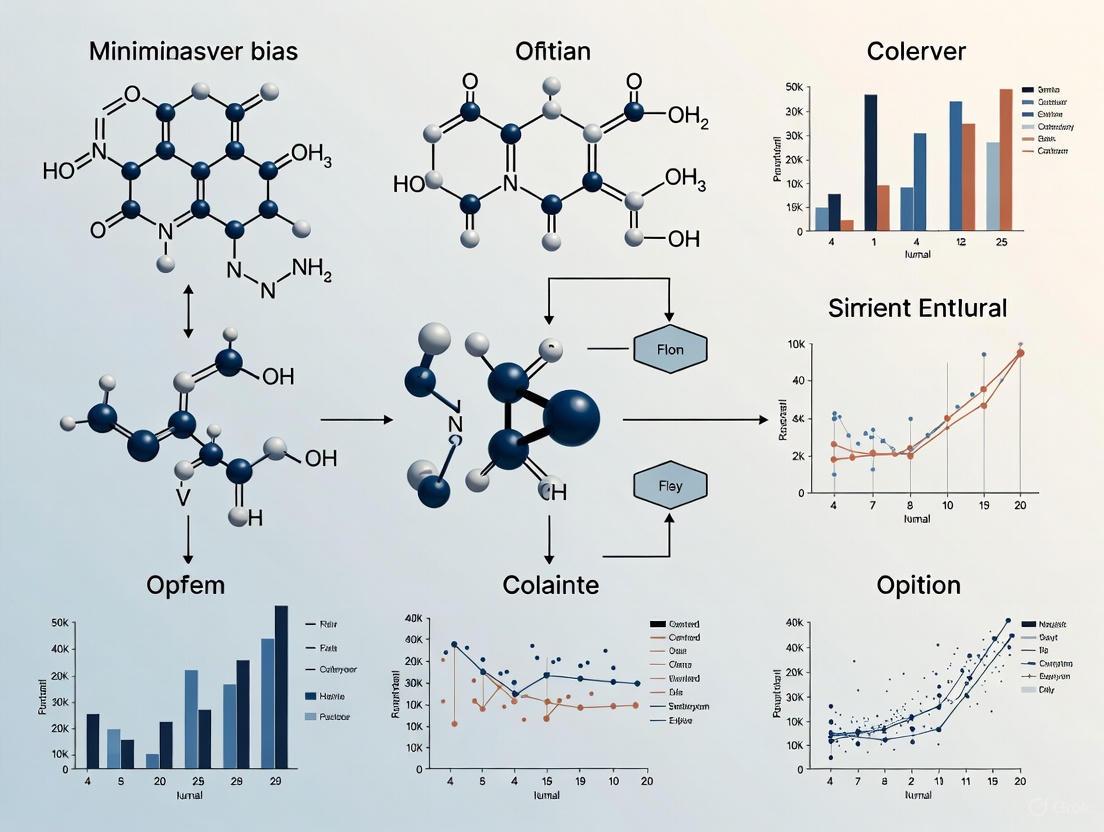
This article provides a comprehensive framework for understanding, mitigating, and validating strategies against observer bias in behavioral and clinical research.
Minimizing Observer Bias in Behavioral Studies: A Comprehensive Guide for Researchers and Drug Development Professionals
Abstract
This article provides a comprehensive framework for understanding, mitigating, and validating strategies against observer bias in behavioral and clinical research. Tailored for researchers, scientists, and drug development professionals, it covers the foundational definition and impact of observer bias, explores core methodological remedies like blinding and standardized protocols, offers troubleshooting for real-world implementation challenges, and presents empirical evidence on the efficacy of these methods. The content synthesizes current best practices and recent meta-analytical findings to equip professionals with the tools necessary to enhance the reliability and validity of their research outcomes, ultimately supporting more robust drug development and clinical conclusions.
What is Observer Bias? Defining the Invisible Threat to Research Integrity
What is Observer Bias?
Observer bias is a type of detection bias that occurs when a researcher’s expectations, perspectives, opinions, or prejudices consciously or unconsciously affect the results of an experiment [1] [2] [3]. This is also referred to as ascertainment bias. It is a systematic difference between the true value and the value actually observed, often because researchers see what they expect or want to see rather than what is actually there [3] [4].
This bias is particularly prevalent in observational research, where a researcher records behaviors or takes measurements from participants without trying to influence the outcome, a method common in fields like medicine, psychology, and behavioral science [1] [2]. The core of the problem lies in the fact that a researcher who is aware of the study's purpose and hypotheses has an incentive to interpret ambiguous data or subtly influence the experiment in a way that confirms their predictions [1] [2].
The following diagram illustrates how researcher expectations can create a feedback loop that leads to biased outcomes.
Impact and Scale of the Problem: Why Should You Be Concerned?
Observer bias is not a trivial issue; it can fundamentally compromise the integrity of your research, leading to misleading, unreliable, and invalid results [1] [3]. The consequences extend from inaccurate data sets to damaging scientific research and policy decisions, potentially leading to negative outcomes for the people involved in the studies [1] [2].
Systematic reviews have quantified the dramatic impact of non-blinded assessment on study outcomes. The following table summarizes the exaggerated effects observed when outcome assessors are not blinded to the intervention.
Table 1: Quantified Impact of Unblinded Assessment on Study Outcomes
| Study Design Type | Exaggeration of Effect Size | Key Reference |
|---|---|---|
| RCTs with measurement scale outcomes | Exaggerated by 68% on average | Hróbjartsson et al. [4] |
| RCTs with binary outcomes | Odds ratios exaggerated by 36% on average | Hróbjartsson et al. [4] |
| RCTs with time-to-event outcomes | Hazard ratios overstated by 27% on average | Hróbjartsson et al. [4] |
Common Types and Related Biases
It is crucial to distinguish observer bias from other related cognitive and research biases. The following table defines key biases that often co-occur or are confused with observer bias.
Table 2: Key Biases Related to Observer Bias
| Bias Type | Definition | Example in Research |
|---|---|---|
| Observer-Expectancy Effect | A researcher’s cognitive bias causes them to subconsciously influence participants, thereby changing the study outcome [1] [2]. | A researcher might ask leading questions or use different body language with the treatment group versus the control group [1]. |
| Actor-Observer Bias | An attributional bias where a researcher attributes their own actions to external factors but attributes participants' behaviors to internal causes [1] [2]. | A researcher blames a participant's poor performance on a lack of intelligence, while attributing their own error to faulty equipment [1]. |
| Hawthorne Effect | The tendency of participants to modify their behavior simply because they know they are being studied [1] [2] [5]. | Workers in a productivity study increase output because they are receiving attention from the researchers, not because of the experimental intervention [5]. |
| Confirmation Bias | A cognitive bias where a researcher favors information that confirms their existing beliefs [1] [6]. | A researcher selectively searches for or emphasizes data that supports their hypothesis while ignoring contradictory data [1]. |
Troubleshooting Guide: Minimizing Observer Bias in Your Research
FAQ: What are the most effective strategies to reduce observer bias?
Several proven methodological strategies can be implemented to minimize observer bias. The most effective approaches focus on blinding, standardization, and verification.
Table 3: Core Methods for Minimizing Observer Bias
| Method | Description | Key Action |
|---|---|---|
| Blinding (Masking) | Ensuring that the observers and/or participants are unaware of the study hypotheses, group assignments, or treatments being used [1] [6] [3]. | Implement double-blind protocols where neither the researcher nor the participant knows who is in the treatment or control group [1] [3]. |
| Standardized Procedures | Creating and following structured, clear protocols for all observation and data collection procedures [1] [6] [5]. | Develop a detailed manual of operations (MoP) that every observer can refer to, ensuring consistency [1]. |
| Multiple Observers | Using more than one researcher to observe and record data for the same phenomena [1] [6] [2]. | Calculate inter-rater reliability to ensure that different observers are reporting data consistently [1] [7]. |
| Observer Training | Training all observers in the standardized procedures before the study begins to ensure data is recorded consistently [1] [6] [4]. | Conduct calibration sessions to minimize variation in how different observers report the same observation [1]. |
| Triangulation | Using different data collection methods or sources to cross-verify findings [6] [3]. | Corroborate behavioral observation data with physiological data or interview responses [6]. |
Experimental Protocol: Implementing a Blinded Assessment Workflow
The following diagram outlines a step-by-step workflow for implementing a blinded assessment protocol, which is a gold-standard strategy for minimizing bias.
FAQ: How can we minimize bias when subjective judgment is required?
Even in studies requiring subjective judgment, you can enhance objectivity through rigorous design:
- Define Clear Criteria: Use operational definitions and explicit, objective scoring scales to minimize ambiguity [3] [4]. For example, instead of rating "anxiety" as "low, medium, high," define specific behavioral markers like "number of grooming incidents per minute."
- Video/Audio Recording: Record sessions for later review and to allow multiple independent observers to score the same event [7].
- Awareness and Reflexivity: Researchers should practice reflexivity by consciously reflecting on and documenting their own potential biases, beliefs, and assumptions at the outset of the study [8].
FAQ: Our study is observational and cannot be blinded. What can we do?
While blinding is highly effective, it is not always feasible, especially in some field studies. In these cases, leverage other robust strategies:
- Use Objective Measures: Prioritize objective, machine-recorded data (e.g., actigraphy, hormone assays, GPS tracking) over subjective human observations wherever possible [4].
- Predetermine Analysis Plan: Pre-register your study hypothesis and statistical analysis plan before data collection begins. This prevents the bias of changing your analysis to get a desired result [9].
- Statistical Control: In your analysis, use techniques like multivariable regression or propensity score matching to statistically control for confounding variables that could bias your results [9].
The Scientist's Toolkit: Essential Reagents & Materials for Bias-Resistant Research
Table 4: Essential Resources for Minimizing Observer Bias
| Tool / Resource | Function in Mitigating Bias |
|---|---|
| Inter-Rater Reliability (IRR) Statistical Software | Software (e.g., SPSS, R packages like irr) calculates agreement between multiple observers, providing a quantitative measure of data consistency [1] [7]. |
| Blinding Supplies | Simple tools like opaque envelopes for allocation concealment, coded sample bottles, and placebo pills are fundamental for executing single- and double-blind designs [1] [3]. |
| Standardized Protocols & Data Collection Forms | Pre-printed forms or digital databases with predefined fields and categories force consistent data recording across all observers and timepoints [1] [6]. |
| Audio/Video Recording Equipment | Allows for permanent record of behavior that can be scored later by blinded observers and re-analyzed to check for consistency [7]. |
| Calibration Materials | For physiological measures (e.g., blood pressure cuffs), regular calibration of equipment ensures all observers are working with the same baseline accuracy [4]. |
Technical Support Center
Troubleshooting Guides
Troubleshooting Guide 1: Resolving Low Inter-Rater Reliability in Behavioral Coding
Issue: Researchers report low inter-rater reliability scores during behavioral coding, leading to inconsistent data and potential observer bias.
Solution: A multi-phase approach to standardize coding protocols and retrain observers.
- Initial Assessment: Recalculate Inter-Rater Reliability (IRR) using Cohen's Kappa or Intra-class Correlation Coefficient (ICC) to confirm the issue's scope [7].
- Protocol Review: Organize a consensus meeting for all observers to review and clarify the operational definitions of all behavioral categories. Update the coding manual with explicit "include" and "exclude" examples.
- Retraining Session: Conduct a session using a standardized, pre-scored video segment. Observers code independently, then discuss discrepancies with a lead researcher until consensus is reached [7].
- Post-Training Validation: Calculate IRR on a new, pre-scored validation video segment. Only observers meeting the pre-defined reliability threshold (e.g., Kappa > 0.8) should proceed to code experimental data [7].
Prevention: Implement routine "reliability checks" where all observers code the same segment of data at random intervals throughout the study to prevent "coder drift."
Troubleshooting Guide 2: Addressing Contradictory Data Between Blind and Non-Blind Observers
Issue: Data collected by observers who are blind to experimental conditions significantly differs from data collected by non-blind observers, suggesting observer bias.
Solution: Investigate the source of bias and reinforce blinding procedures.
- Data Segregation: Immediately segregate the datasets from blind and non-blind observers. Do not combine them for analysis [7].
- Audit Trail: Review all experimental procedures and documentation to identify where condition information may have been inadvertently revealed to the "blind" observers.
- Procedure Correction: Implement stricter blinding protocols. This may include using third parties to code animal videos or assign subjects to groups, and ensuring all sample labels are non-descriptive [7].
- Data Resolution: Use only the data collected by the properly blinded observers for final analysis. The non-blind data should be used only for bias assessment and training purposes.
Prevention: Design experiments to be fully blind from the outset. Where full blinding is impossible, ensure that key outcome measures are assessed by blinded observers.
Frequently Asked Questions (FAQs)
FAQ 1: What are the most effective methods to minimize observer bias in behavioral studies? The two most effective and recommended methods are:
- Blind Data Collection and Analysis: Ensuring observers who score behaviors are unaware of the experimental group or hypothesis to prevent their expectations from influencing the results [7].
- High Inter-Observer Reliability: Establishing that multiple observers can code the same behavior consistently, which is achieved through rigorous training and quantified using statistical measures like Cohen's Kappa [7].
FAQ 2: Our inter-rater reliability is high during training but drops during the actual experiment. Why? This is often caused by "coder drift," where observers gradually change their interpretation of definitions over time. To correct this, institute periodic reliability checks throughout the data collection period, where all observers code the same segment to re-calibrate their scoring [7].
FAQ 3: Is a high inter-rater reliability score alone sufficient to guarantee data quality? No. High reliability indicates consistency between observers but does not guarantee accuracy. Observers can be consistently wrong if the initial behavioral definitions are flawed. Reliability must be paired with validity—ensuring you are measuring the behavior you intend to measure.
FAQ 4: How can we implement blind protocols in fieldwork where full blinding is difficult? While challenging, partial blinding is valuable. One observer can conduct the experimental manipulation, while a second, blinded observer records the behavioral data from video. This separates the knowledge of the condition from the measurement process [7].
Table 1: Key Statistical Measures for Assessing Inter-Rater Reliability
| Measure | Formula/Principle | Ideal Threshold | Use Case |
|---|---|---|---|
| Cohen's Kappa (κ) | κ = (P₀ - Pₑ) / (1 - Pₑ)P₀: Observed agreement, Pₑ: Expected agreement | > 0.8 | Two raters, categorical data. Corrects for chance agreement. |
| Intra-class Correlation Coefficient (ICC) | ICC = (MSₑ - MSʷ) / MSₑMSₑ: Between-subjects variance, MSʷ: Within-subjects variance | > 0.8 | Two or more raters, continuous data. Assesses absolute agreement. |
| Percent Agreement | (Number of Agreements / Total Decisions) × 100 | > 90% | Simple, initial check. Does not account for chance. |
Table 2: Methodological Recommendations for Minimizing Observer Bias
| Method | Core Protocol | Key Performance Indicator (KPI) |
|---|---|---|
| Blind Observation | Observers are kept unaware of experimental hypotheses and subject group assignments throughout data collection and/or analysis [7]. | Significant difference in results between blind and non-blind assessors indicates presence of bias. |
| Inter-Observer Reliability | Multiple observers are trained to code the same behavioral sequences until a high statistical agreement is reached [7]. | Cohen's Kappa or ICC value exceeding 0.8 in both training and ongoing reliability checks. |
Experimental Protocols
Protocol: Establishing Inter-Rater Reliability for a Novel Behavioral Assay
Objective: To train multiple observers to code a specific behavior (e.g., "social interaction" in rodents) with a high degree of consistency.
Materials: Pre-recorded video library of animal behavior (minimum 20 segments), coding manual with operational definitions, statistical software (e.g., R, SPSS).
Methodology:
- Initial Training: All observers independently study the coding manual. The lead researcher reviews each behavioral definition with the group.
- Independent Coding: Observers independently code the same set of 10 training videos. They must not discuss their scores.
- IRR Calculation: The lead researcher calculates Cohen's Kappa for each pair of observers and the ICC for the group.
- Consensus Meeting: If IRR is below 0.8, observers meet to review discrepancies. The lead facilitator plays video segments where scoring differed and guides discussion until a consensus on the correct application of the definition is reached.
- Iteration: Steps 2-4 are repeated with new training video sets until the group achieves a Kappa/ICC > 0.8 [7].
- Validation: The final step is a validation test using a completely new set of videos. Success on this test is required to be certified for experimental data coding.
The Scientist's Toolkit: Research Reagent Solutions
Table 3: Essential Materials for Behavioral Observation and Bias Minimization
| Item | Function in Research |
|---|---|
| High-Definition Cameras | To record behavioral sessions for later, blind coding by multiple observers and to create a permanent record for reliability checks [7]. |
| Behavioral Coding Software | Software (e.g., BORIS, Observer XT) provides a structured digital environment for coding, timestamping behaviors, and calculating inter-rater reliability metrics. |
| Standardized Coding Manual | A detailed document containing operational definitions for every behavior scored, including examples and non-examples, to serve as the single source of truth for all observers. |
| Statistical Software Package | Software (e.g., R, SPSS, Prism) is necessary for calculating key reliability statistics like Cohen's Kappa and the Intra-class Correlation Coefficient (ICC). |
Technical Support Center: Troubleshooting Observer Bias
Troubleshooting Guides
Issue 1: No or Small Assay Window in Blinded Assessments Problem: Your assay shows no difference between experimental and control groups, making it impossible to detect a true treatment effect. Solution:
- Verify Instrument Setup: Confirm that emission filters and instrument gain are configured correctly for your specific assay type (e.g., TR-FRET). An incorrect setup can completely obscure an assay window [10].
- Check Reagent Integrity: Test your assay controls. For a full assessment window, ensure your 100% phosphorylated control and substrate control show a significant, expected difference in their ratios (e.g., a 10-fold difference in Z'-LYTE assays) [10].
- Calculate Z'-factor: Do not rely on the assay window alone. Calculate the Z'-factor, which incorporates both the assay window and data variability. An assay with a Z'-factor > 0.5 is considered robust for screening [10].
Issue 2: Inconsistent Results Between Multiple Observers Problem: Different researchers recording outcomes for the same study are producing inconsistent data, leading to low interrater reliability. Solution:
- Standardize Procedures: Create and distribute structured, clear protocols for all observers. Specify all behaviors or outcomes that should be noted to ensure consistency [6] [11].
- Train and Calibrate Observers: Before the study begins, train all observers in the procedures until they can consistently produce the same observations. Recalibrate observers at various points during the study to prevent "observer drift," where observers depart from standard procedures over time [11].
- Measure Interrater Reliability: Check and maintain high interrater reliability by statistically comparing data from multiple observers. Set a reliability threshold that must be met for the data to be considered valid [11].
Issue 3: Exaggerated Treatment Effect in Subjective Outcomes Problem: The estimated treatment effect appears more beneficial than expected, particularly for outcomes measured on subjective scales (e.g., patient global improvement scores). Solution:
- Implement Blinding: The most critical step. Ensure that outcome assessors are blinded to the treatment allocation of study participants. This prevents their expectations from influencing the assessment [12] [1].
- Use Multiple Blinded Assessors: Involve more than one blinded observer for key outcomes. This ensures your data are consistent and not skewed by a single individual's biases [11] [1].
- Triangulate Data: Corroborate findings by using multiple data collection methods for the same observation (e.g., a clinical assessment score, a patient questionnaire, and a physiological measurement) [6] [11].
Frequently Asked Questions (FAQs)
Q1: What is observer bias in the context of clinical trials? A: Observer bias (also called detection bias or ascertainment bias) occurs when the expectations, opinions, or prejudices of a researcher systematically influence the outcome assessments in a study. This often happens when assessors are aware of the research hypotheses or treatment groups, unconsciously leading them to favor the experimental intervention [12] [11] [1].
Q2: What is the empirical evidence for observer bias in drug development? A: A systematic review of randomized clinical trials that used both blinded and non-blinded assessors found that nonblinded outcome assessors exaggerated the pooled effect size by 68% on average. The estimated treatment effect was significantly more beneficial when based on nonblinded assessors (pooled difference in effect size: -0.23) [12]. This provides direct evidence that a failure to blind assessors results in a high risk of substantial bias.
Q3: What is the difference between observer bias and the observer-expectancy effect? A:
- Observer Bias is the error introduced when a researcher's own biases influence how they perceive or record data [11].
- Observer-Expectancy Effect (or Rosenthal effect) occurs a step earlier: the researcher's cognitive biases cause them to subconsciously influence the participants' behavior through their interactions (e.g., through different body language or tone of voice), which then changes the study outcome [11] [1].
Q4: How does observer bias compromise the clinical validity of a study? A: Observer bias compromises clinical validity by producing misleading and unreliable results [1]. It can:
- Lead to false positive conclusions about a drug's efficacy.
- Cause an overestimation of treatment effects, as seen in the 68% exaggeration noted in empirical studies [12].
- Damage the scientific foundation for policy and treatment decisions, potentially leading to patient harm if an ineffective or unsafe drug is approved [1].
Q5: Can we completely eliminate observer bias? A: While it is challenging to fully eliminate observer bias, especially in studies where data collection is recorded manually, you can take robust steps to minimize it [11]. The strategies outlined in the troubleshooting guides above are the most effective methods for reducing its impact.
Quantitative Data on Observer Bias
The following table summarizes key findings from a systematic review of trials with both blinded and non-blinded outcome assessors [12].
Table 1: Impact of Non-Blinded Assessment on Subjective Outcomes in Randomized Clinical Trials
| Metric | Finding | Statistical Summary |
|---|---|---|
| Pooled Difference in Effect Size | Treatment effect was more beneficial when based on nonblinded assessors. | -0.23 (95% CI: -0.40 to -0.06) |
| Relative Exaggeration of Effect | Nonblinded assessors exaggerated the effect size compared to blinded assessors. | 68% (95% CI: 14% to 230%) |
| Heterogeneity | Variation in the observed bias across the included studies. | I² = 46% |
| Clinical Specialties | The review included trials from various fields, demonstrating the widespread relevance of the issue. | Neurology, Cosmetic Surgery, Cardiology, Psychiatry, Otolaryngology, Dermatology, Gynecology, Infectious Diseases |
Experimental Protocols
Protocol 1: Establishing Interrater Reliability for Multiple Observers Objective: To ensure multiple observers consistently record the same observations, minimizing bias from individual assessors. Materials: Pre-defined data collection protocol, recording equipment (optional), training materials, statistical software. Methodology:
- Development: Create a structured protocol detailing every behavior, measurement, or outcome to be recorded. Use clear, objective categories and criteria [11].
- Training: Conduct group training sessions for all observers using the protocol. Use video recordings or live demonstrations that are not part of the actual study [6] [11].
- Calibration Test: Have all observers independently record data from the same training session.
- Analysis: Calculate an interrater reliability statistic (e.g., Cohen's Kappa, Intraclass Correlation Coefficient) to quantify the agreement between observers.
- Iteration: Retrain and recalibrate until a pre-specified reliability threshold (e.g., Kappa > 0.8) is consistently met before beginning the actual study [11].
Protocol 2: Implementing a Blinded Outcome Assessment Workflow Objective: To prevent outcome assessors from knowing the treatment allocation of study participants. Materials: Separate research teams for treatment administration and outcome assessment, a system for masking treatment identifiers (e.g., coded videos, central assessment of medical images). Methodology:
- Team Separation: Define distinct roles: one team handles participant recruitment, randomization, and treatment administration. A separate, independent team is responsible for conducting final outcome assessments [12].
- Masking of Data: Before assessment, ensure all materials that could reveal treatment allocation are masked. This can include:
- Blinding Check: At the end of the study, ask the outcome assessors to guess the treatment allocation of participants. This helps validate the success of the blinding procedure.
Signaling Pathways and Workflows
Diagram 1: The Mechanism of Observer Bias and its Consequences.
Diagram 2: A Workflow for Preventing Observer Bias in Research.
The Scientist's Toolkit: Key Reagent Solutions
Table 2: Essential Materials and Reagents for Robust Assay Development
| Item | Function in Bias Prevention |
|---|---|
| Validated Assay Kits (e.g., Z'-LYTE, LanthaScreen) | Provide a standardized, optimized protocol and reagents that reduce variability introduced by in-house assay development, ensuring consistent performance across different labs and users [10]. |
| Reference Standards & Controls | Act as objective benchmarks for 0% and 100% activity (e.g., phosphorylation). They are crucial for validating instrument setup, calculating a robust Z'-factor, and ensuring the assay window is real and not an artifact [10]. |
| TR-FRET Compatible Filters | Specific emission filters are critical for time-resolved FRET (TR-FRET) assays. Using the wrong filters can kill the assay window, leading to a complete failure to detect a true effect, which is a form of measurement error [10]. |
| Interrater Reliability Software | Statistical programs (e.g., SPSS, R) used to calculate agreement metrics like Cohen's Kappa. This data-driven tool is essential for validating that multiple observers are recording data consistently before and during a study [11]. |
Frequently Asked Questions (FAQs)
Q1: What is the core difference between these three biases? The core difference lies in who is being influenced and how:
- Observer-Expectancy Effect: The bias originates from the researcher's expectations, which influence either their own observations or the participants' behavior [1] [13].
- Actor-Observer Bias: This is an attributional bias where the same person (acting as both actor and observer) explains their own actions versus others' actions differently [1] [14].
- Hawthorne Effect: The bias originates from the participants, who alter their behavior simply because they know they are being studied [15] [16].
Q2: I use objective measurement tools. Am I still at risk of these biases? Yes. While subjective methods are more vulnerable, observer bias can still affect studies using objective methods [1] [11]. For example, a researcher might consistently round measurements up or down based on their expectations, or become less careful with procedures over time (a phenomenon known as observer drift) [11]. The Observer-Expectancy Effect can also lead researchers to operate equipment differently or interact with participants in ways that influence outcomes.
Q3: Can these biases be completely eliminated? It is difficult to completely eliminate these biases, as they often operate subconsciously [11] [14]. However, you can significantly minimize their impact through rigorous study design and standardized protocols [11] [17]. The goal is to implement controls that reduce the risk of bias to a level where it does not threaten the validity of your findings.
Q4: Is the Hawthorne Effect the same as social desirability bias? They are closely related but distinct. The Hawthorne Effect is a broader term for any change in behavior due to the awareness of being observed [16]. Social desirability bias is a specific form of this, where participants modify their behavior or responses to present themselves in a more favorable light in line with social norms [15] [16]. In practice, the Hawthorne Effect in surveys and self-reports often manifests as social desirability bias.
Troubleshooting Guide: Identifying and Resolving Bias in Your Experiments
This guide helps you diagnose common symptoms of these biases in your research and provides actionable protocols to address them.
Problem: Your experimental groups are performing exactly as you predicted.
- Potential Bias: Observer-Expectancy Effect.
- Symptoms:
- Data points consistently cluster around your expected values with little variance.
- You find yourself subtly encouraging participants in the treatment group more than those in the control group.
- Participants in the control group appear to be underperforming your baseline expectations.
- Solutions:
- Implement Blinding: Use single-blind (participants don't know their group) or double-blind (both participants and experimenters don't know) protocols. This is a cornerstone for minimizing this bias [1] [11] [18].
- Automate Data Collection: Use software or machinery to record outcomes objectively, removing human intervention in measurement [13].
- Standardize Interactions: Script all instructions and interactions with participants to ensure they are identical across all groups [1] [11].
Problem: Participants are behaving differently than they do in real-world conditions.
- Potential Bias: Hawthorne Effect.
- Symptoms:
- Participants are trying harder, being more patient, or following instructions more diligently than they normally would.
- Participants apologize for mistakes or seem to be looking for your approval.
- In field studies, participants hide "shortcuts" or unofficial practices they use in their daily work [16].
- Solutions:
- Build Rapport: Spend more time with participants before data collection to make them more comfortable and reduce the novelty of being observed [16].
- Design Naturalistic Tasks: Ensure your experimental scenarios are familiar and ecologically valid to your participant group [16].
- Set Clear Expectations: Explicitly state that you are testing the system, product, or process, not them, and that you need their honest, natural behavior [16].
Problem: You are interpreting the causes of behavior inconsistently.
- Potential Bias: Actor-Observer Bias.
- Symptoms:
- When analyzing qualitative data, you attribute your own team's procedural errors to external factors (e.g., "the equipment was faulty") but attribute similar errors in another team's methodology to their lack of skill or preparation.
- You dismiss criticisms of your experimental design as misunderstandings while accepting praising comments at face value.
- Solutions:
- Use Multiple Coders: Have several researchers independently analyze and interpret qualitative data, then calculate inter-rater reliability to ensure consistency [1] [11] [7].
- Practice Reflexivity: Actively reflect on and document your own potential prejudices and assumptions before and during data analysis.
- Triangulate Data: Use multiple data sources (e.g., observations, surveys, physiological data) to cross-check your interpretations and conclusions [11] [19].
Comparison of Biases in Behavioral Research
The table below provides a structured overview of the three biases for easy comparison and reference.
| Bias Feature | Observer-Expectancy Effect | Actor-Observer Bias | Hawthorne Effect |
|---|---|---|---|
| Core Definition | Researcher's expectations consciously or subconsciously influence the study's outcomes or the participants' behavior [1] [13]. | The tendency to attribute one's own actions to external factors but others' actions to their internal characteristics [1] [14]. | The alteration of participant behavior because they are aware of being studied [15] [16]. |
| Origin of Bias | The researcher/experimenter. | The individual (who is both actor and observer). | The study participants. |
| Primary Domain | Experimental and observational research across sciences [13]. | Social psychology and interpersonal perception [14]. | Organizational studies, UX research, and field studies [16]. |
| Key Mechanism | Researcher gives subtle verbal or nonverbal cues; biased data recording [1] [17]. | Differences in perceptual focus and information availability when acting vs. observing [14]. | Psychological response to the attention received from researchers [16]. |
| Classic Example | "Clever Hans" the horse, who responded to his owner's unconscious cues [14] [13]. | Blaming a poor test score on the teacher (external) while attributing a classmate's failure to laziness (internal) [1] [14]. | Factory workers' productivity increased regardless of lighting changes, linked to the attention from researchers [14] [16]. |
Experimental Protocols from Key Studies
1. The "Clever Hans" Case (Observer-Expectancy Effect)
- Objective: To determine how a horse, Clever Hans, was able to correctly answer arithmetic questions.
- Original Methodology: Hans's owner would ask a question, and Hans would tap his hoof the corresponding number of times.
- Blinded Protocol & Finding: Psychologist Oscar Pfungst implemented a blinded procedure where the questioner did not know the answer. He found that Hans could only answer correctly if the questioner knew the answer and was visible to him. Hans was picking up on subtle, unconscious cues in the questioner's posture and expression, which relaxed when Hans reached the correct number of taps [14] [13].
- Key Takeaway: This case is a foundational example of how an experimenter's expectations can directly influence the outcome of a study, even with animal subjects.
2. Rosenthal & Fode's "Maze-Bright" and "Maze-Dull" Rats (Observer-Expectancy Effect)
- Objective: To test if researchers' expectations could influence the performance of animals in a learning task.
- Methodology: Senior psychology students were given rats and told they were either "maze-bright" (genetically superior) or "maze-dull" (genetically inferior). In reality, the rats were randomly assigned these labels [14].
- Results & Finding: Over time, the rats labeled "bright" performed significantly better at running mazes than those labeled "dull." The students' preconceived notions affected their interactions with the rats (e.g., handling them more gently), which unconsciously influenced the rats' performance [14].
- Key Takeaway: This experiment demonstrates that researcher expectations can create a self-fulfilling prophecy, biasing results even in objective-seeming learning tasks.
The Scientist's Toolkit: Essential Reagents for Minimizing Bias
The following table details key methodological "reagents" essential for designing robust behavioral studies resistant to observer biases.
| Tool / Solution | Function in Minimizing Bias | Example of Application |
|---|---|---|
| Blinding (Masking) | Hides group assignments (e.g., treatment vs. control) from participants and/or researchers to prevent conscious or subconscious influence [1] [18]. | In a drug trial, using identical-looking pills for the active drug and placebo, with neither patient nor outcome assessor knowing which is which (double-blind) [1]. |
| Standardized Protocols | Provides a strict, written set of procedures for all interactions and measurements, ensuring consistency across all participants and experimenters [1] [11]. | Using a script to instruct all participants. Defining exact criteria for scoring a specific behavior in an ethogram to reduce subjective interpretation. |
| Inter-Rater Reliability (IRR) | Quantifies the agreement between two or more independent observers, ensuring that measurements are consistent and not dependent on a single individual's bias [11] [7]. | Having multiple researchers code the same video footage of animal behavior, then calculating a statistical measure of agreement (e.g., Cohen's Kappa) to ensure consistency. |
| Triangulation | Using multiple methods, data sources, or observers to cross-verify findings, reducing the risk that a conclusion is based on a single, biased measure [11] [19]. | Studying a behavior through direct observation, physiological sensor data, and self-report surveys to see if all methods point to the same conclusion. |
| Automated Data Recording | Removes the human element from data collection, thereby eliminating biases related to perception, expectation, and recording errors [13]. | Using motion-capture software instead of a human observer to record the activity levels of animals in a cage. |
Visualizing Relationships and Mitigation Strategies
The diagram below illustrates the source and flow of influence for each bias, highlighting the key relationships you need to control for in your research design.
Visual Guide to Research Bias Mitigation
This workflow provides a step-by-step decision guide for selecting the appropriate strategies to protect your research from these biases.
Decision Flow for Bias Mitigation
Proactive Prevention: Core Methodologies to Minimize Observer Bias
FAQs: Addressing Common Challenges in Blinding
Why is blinding considered essential in clinical trials and behavioral research?
Blinding is essential because it mitigates several sources of bias that can quantitatively affect study outcomes. If left unchecked, this bias can lead to false conclusions. Participant knowledge of their assignment can bias their expectations, adherence, and assessment of an intervention's effectiveness. Similarly, non-blinded researchers may treat subjects differently or interpret outcomes in a way that favors the experimental intervention. Importantly, once introduced, this bias cannot be reliably corrected by statistical analysis [20] [21].
Thesis Context: In behavioral studies, minimizing this observer and participant bias is fundamental to establishing the internal validity of the research findings, ensuring that the observed effects are due to the intervention itself and not to preconceived expectations.
What is the concrete evidence that a failure to blind affects results?
Empirical evidence demonstrates the direct effects of non-blinding on trial outcomes. Key findings from meta-analyses include:
- Observer Bias: Non-blinded outcome assessors exaggerated the pooled effect size by 68% in trials with subjective measurement scale outcomes [12].
- Attrition Bias: Attrition is significantly more frequent among control group participants versus those in the experimental group when participants are not blinded [20].
- Participant-Reported Outcomes: These were found to be exaggerated by an average of 0.56 standard deviations in trials with non-blinded participants compared to blinded ones [20].
What is the difference between allocation concealment and blinding?
These are two distinct methodological concepts:
- Allocation Concealment: This is the process of keeping the upcoming treatment assignment hidden from investigators and participants until the moment of assignment. It is a core part of proper randomization and prevents selection bias, ensuring groups are comparable at the start of the trial [20] [22].
- Blinding (or Masking): This refers to withholding information about the assigned interventions from various parties involved in the trial after group assignment and until the experiment is complete. It prevents differential treatment and assessment during the trial [20] [23].
Is blinding only important for subjective outcomes?
No. While blinding is most easily appreciated for subjective outcomes (e.g., pain scores), it is also critical for seemingly objective ones. Many objective outcomes (e.g., interpreting an electrocardiogram for myocardial infarction) contain subjective elements. Furthermore, even unequivocally objective outcomes like mortality can be indirectly affected by factors such as the intensity of follow-up care or concurrent interventions, which can be influenced by knowledge of treatment assignment [20].
How can we implement blinding in non-pharmacological trials (e.g., behavioral, surgical, or device interventions)?
Blinding in non-pharmacological trials is challenging but often feasible through creative methods [20] [24]:
- For Participants: Use of "sham" procedures or placebo devices (e.g., simulated acupuncture, a sham surgical incision) can mimic the active intervention. Participants can also be blinded to the study's primary hypothesis.
- For Outcome Assessors: This is one of the most critical and often achievable steps. Outcome assessors who are not involved in the participant's care can be kept unaware of the treatment allocation. This often involves centralized assessment of complementary investigations, clinical examinations, and adjudication of clinical events.
- For Interventionists (e.g., Therapists/Surgeons): Blinding the person delivering the intervention is often the most difficult. Strategies can include using multiple interventionists so that the one delivering the therapy is not the same as the one assessing outcomes.
Troubleshooting Common Blinding Problems
Problem: The intervention has distinctive side effects, leading to participant unblinding.
Solution:
- Use an Active Placebo: An active placebo is a substance or intervention that mimics the side effects of the active treatment but lacks the specific therapeutic component. For example, in a drug trial, the placebo could be designed to cause a similar harmless side effect (e.g., dry mouth) as the active drug [20] [25].
- Centralized Evaluation: Have side effects evaluated by a centralized committee that is blinded to treatment allocation, which can provide a more objective assessment [20].
Problem: The behavioral intervention is complex and cannot be easily mimicked with a placebo.
Solution:
- Use an Attention Control Group: Instead of a true placebo, use a control group that receives a structurally similar but therapeutically inert intervention. This could involve non-specific counseling or general health education that matches the active intervention in time and attention received, but does not contain the core active components [24].
- Blind to the Hypothesis: Keep participants and data collectors unaware of the study's primary research question to reduce bias in reporting and assessment [24].
- Prioritize Outcome Assessor Blinding: Even if the participant and therapist cannot be blinded, ensuring that the individuals collecting and adjudicating the final outcome data are blinded is a highly effective strategy to reduce bias [20] [24].
Problem: Contamination between study groups in trials where providers manage participants from both arms.
Solution:
- Pseudo-Cluster Randomization: This novel design randomizes providers (e.g., therapists, physicians) to an imbalanced case mix (e.g., 80% intervention/20% control, or vice versa). Each participant is then randomized based on their provider's assigned ratio. This reduces contamination because most control participants are treated by providers with minimal exposure to the intervention. It also reduces referral bias because all participants have a non-zero chance of receiving either treatment [26].
Problem: High drop-out rates, which can unblind the study statistician and introduce bias.
Solution:
- Proactive Protocol Design: Implement run-in periods to identify and exclude participants with poor adherence potential before randomization. Design the trial to minimize burden on participants [24].
- Blinded Data Analysis: The statistician should perform the final analysis on a dataset where the treatment group labels are concealed (e.g., coded as Group A and Group B) until the analysis is finalized [20].
Quantitative Data on Blinding and Bias
Table 1: Documented Impact of Non-Blinded Assessment on Study Outcomes
| Non-Blinded Party | Type of Outcome Measured | Impact on Effect Size | Source |
|---|---|---|---|
| Outcome Assessors | Subjective Measurement Scales | Exaggerated by 68% | [12] |
| Outcome Assessors | Binary Outcomes | Exaggerated Odds Ratios by 36% | [20] |
| Outcome Assessors | Time-to-Event Outcomes | Exaggerated Hazard Ratios by 27% | [20] |
| Participants | Patient-Reported Outcomes | Exaggerated by 0.56 Standard Deviations | [20] |
Table 2: Comparison of Blinding Challenges in Pharmacological vs. Behavioral Trials
| Aspect | Pharmacological Trial | Behavioral Trial |
|---|---|---|
| Control Group | Typically a placebo pill identical to the active drug. | Often an attention placebo or usual care; harder to match the "dose" and format of the active intervention [24]. |
| Blinding Participants | Usually straightforward with a matched placebo. | Often very difficult; may require sham procedures or blinding to the hypothesis [20] [24]. |
| Blinding Interventionists | Not typically involved; the "intervention" is the pill. | Nearly impossible for the therapist delivering the counseling [24]. |
| Key Blinding Strategy | Double-blind (participant and care provider). | Heavy reliance on blinding outcome assessors and data analysts [24]. |
Experimental Protocol: Implementing a Double-Blind, Placebo-Controlled Drug Trial
Objective: To compare the efficacy and safety of a new investigational drug against a matched placebo.
1. Preparation of Investigational Products:
- The pharmacy or manufacturer prepares identical kits for the active drug and placebo. All kits, bottles, and packaging must be indistinguishable in size, shape, color, and taste [20].
- A unique randomization code is generated for each kit, linking it to either "Drug A" or "Drug B." A secure code list is held by the pharmacy and the trial's data monitoring committee, but not by the investigators or participants [23].
2. Randomization and Allocation Concealment:
- When an eligible participant is enrolled, the site investigator contacts the central randomization service (e.g., via web or phone).
- The system assigns the next available unique kit number to the participant without revealing the treatment assignment, thus ensuring allocation concealment [23].
3. Maintaining the Blind During the Trial:
- Participants, care providers, data collectors, and outcome adjudicators remain unaware of the kit assignment.
- In case of a medical emergency requiring knowledge of the treatment, a formal, documented unblinding procedure is used, which typically involves breaking the specific participant's code without unblinding the entire trial [21] [25].
4. Data Analysis:
- The data analyst receives a dataset with groups labeled "A" and "B" rather than "Active" and "Placebo."
- The analysis plan is finalized before the code is broken. The final unblinding of the groups (i.e., revealing which is active and which is placebo) occurs only after the database is locked and the analysis script is finalized [20].
The Scientist's Toolkit: Essential Reagents and Materials for Blinding
Table 3: Key Materials for Implementing Blinding Protocols
| Material / Solution | Function in Blinding |
|---|---|
| Matched Placebo | An inert substance designed to be physically identical (look, taste, smell) to the active investigational product. It is the core reagent for blinding participants in pharmacological trials [20] [21]. |
| Active Placebo | A placebo that mimics the known side effects of the active drug (e.g., causing a dry mouth) without having the therapeutic effect. This helps prevent unblinding of participants due to perceived side effects [20] [25]. |
| Double-Dummy Kits | Used when comparing two treatments that cannot be made identical (e.g., a tablet vs. an injection). Each participant receives both an active/placebo tablet and an active/placebo injection, allowing both groups to have identical treatment experiences [20]. |
| Central Randomization Service | An independent, centralized system (often web-based) that assigns treatment allocations. This is the gold standard for ensuring allocation concealment and preventing selection bias [23]. |
| Sham Procedure Equipment | The materials required to simulate an active non-pharmacological intervention (e.g., for a sham acupuncture trial, this would include retractable needles that do not penetrate the skin; for a sham surgery, the equipment for making a superficial incision) [20]. |
| Unique Opaque Sealed Envelopes | A low-tech but secure method for allocation concealment. Each envelope contains the next treatment assignment, is sequentially numbered, and is sealed and opaque so that it cannot be read without opening. This method is more susceptible to tampering than a central service [22]. |
Workflow Diagram: Blinding in a Clinical Trial
The following diagram illustrates the flow of information and the key points where blinding is applied to different groups in a double-blind trial.
Core Concepts: Data Standardization and Observer Bias
What is Data Collection Standardization?
Data collection standardization is the systematic practice of using consistent methods, tools, and procedures to gather information. It establishes uniform rules for how data is structured, defined, formatted, and recorded, ensuring that all researchers collect data in a identical manner [27] [28]. Within behavioral research, this creates a predictable, consistent framework that minimizes individual interpretation and variation.
The Critical Link to Observer Bias
Observer bias is a form of research bias where a researcher's personal expectations, beliefs, or prejudices unconsciously influence the results of a study [5]. This can lead to inaccurate data interpretation, as researchers might selectively notice or record information that confirms their pre-existing hypotheses. Standardized procedures are a primary defense against this bias, as they systematically reduce the room for individual judgment and ensure all observers are "speaking the same language" [27] [6].
Standardized Procedures for Minimizing Bias
Implementing the following structured procedures ensures that data is collected reliably and objectively across all observers and sessions.
Develop a Detailed Data Collection Protocol
Create a comprehensive manual that lays out specific, step-by-step instructions for every aspect of the data collection process [29]. This manual should cover:
- Operational Definitions: Precisely define all behaviors, variables, and outcomes in measurable terms. Avoid abstract concepts [29].
- Observation Procedures: Specify the setting, time of day, duration, and method of observation.
- Recording Instructions: Standardize exactly how and when to record data.
Train Observers and Ensure Interrater Reliability
All observers must be trained to a high level of competence using the standardized protocol [6] [30]. A key step is establishing interrater reliability—the degree to which different observers consistently code or record the same behavior [6]. This is achieved by having multiple observers independently record the same session and then comparing their data for consistency. Training should continue until a high level of agreement (e.g., over 90%) is reached.
Implement Blinding (Masking) Techniques
Where possible, use blinding to hide the purpose of the study or the experimental condition of the participants from the observers [6] [5]. In a double-blind study, neither the participants nor the observers know which treatment group the participants are in, which prevents the observers' expectations from influencing their observations.
Use Triangulation
Triangulate your data by employing different data collection methods or sources to cross-verify findings [6]. For example, data from direct observations could be supplemented with automated sensor data or archival records. If multiple methods converge on the same result, confidence in the finding's validity increases.
Troubleshooting Guide: FAQs on Data Collection Issues
Q: Despite training, my observers are still recording data inconsistently. What should I do? A: Inconsistency often points to ambiguous definitions or procedures.
- Solution: Revisit your operational definitions. Ensure they are crystal clear and include concrete examples and non-examples of the behavior. Provide additional structured practice sessions with immediate feedback. Consider using a fidelity checklist to routinely assess if observers are adhering to the protocol [30].
Q: I suspect my observers' expectations are influencing how they interpret subtle behaviors. How can I address this? A: This is a classic sign of the observer-expectancy effect [5].
- Solution: Reinforce blinding procedures. If full blinding is impossible, implement a cross-checking system where a second, blinded observer reviews a sample of the video recordings. Standardize the interpretation of ambiguous behaviors by adding specific decision rules to your protocol [6] [5].
Q: Participants are changing their behavior because they know they are being observed (the Hawthorne effect). How can we minimize this? A: The Hawthorne effect can threaten the validity of your data [5].
- Solution: Make observations as unobtrusive as possible. This could involve using video recording for later analysis instead of in-person observation, allowing for a longer habituation period until participants become accustomed to the presence of the observer or equipment, or conducting observations in naturalistic settings where the researcher's presence is less salient [5].
Q: Our data collection forms are leading to errors and missing information. How can we improve this process? A: Unreliable forms directly introduce error and bias.
- Solution: Standardize your data collection forms. Use structured formats with closed-ended fields, checkboxes, and dropdown menus where possible to limit free-text entry. For digital forms, use features like mandatory fields and data validation to prevent out-of-range entries. Pilot-test all forms thoroughly before the study begins [31].
Advanced Methodologies and Protocols
For complex observational studies, especially those analyzing existing datasets, advanced statistical techniques are required to minimize bias.
Techniques for Reducing Bias in Observational Studies
Table 1: Advanced Methodologies for Bias Reduction in Observational Data Analysis
| Technique | Description | Best Use Case |
|---|---|---|
| Restriction | Applying strict inclusion/exclusion criteria to create a more homogeneous study population [9]. | Simplifying analysis by focusing on a specific patient subgroup (e.g., otherwise healthy children). |
| Stratification | Dividing the population into subgroups (strata) based on a key characteristic (e.g., age, disease severity) and analyzing each group separately [9]. | Examining whether an effect is consistent across different patient demographics. |
| Multivariable Regression | A statistical model that simultaneously adjusts for the influence of multiple confounding variables on the outcome [9]. | Isolating the effect of a single predictor when you need to control for several other factors. |
| Propensity Score Matching | A method that matches each participant in the treatment group with a participant in the control group who has a similar propensity to receive the treatment, creating a balanced dataset for comparison [9]. | Mimicking randomization in observational studies to estimate the causal effect of a treatment or exposure. |
Experimental Protocol: Establishing Interrater Reliability
Purpose: To ensure multiple observers consistently code and record the same behaviors, thereby minimizing observer bias and drift.
Materials: Standardized coding manual, calibrated recording equipment, interrater reliability data sheet, sample video recordings.
Methodology:
- Training: Train all observers on the standardized protocol until they can correctly identify >95% of behaviors from a master-coded training video.
- Independent Coding: Have each observer independently code the same session (live or recorded) without consulting one another.
- Calculation: Calculate interrater reliability using a statistical measure appropriate for your data (e.g., Cohen's Kappa for categorical data, Intraclass Correlation Coefficient for continuous data).
- Criterion: Establish a reliability criterion (e.g., Kappa > 0.8) that must be met before formal data collection begins.
- Maintenance: Conduct periodic reliability checks throughout the study to prevent "observer drift," where observers gradually deviate from the original definitions [6] [30].
The Scientist's Toolkit: Essential Research Reagents & Materials
Table 2: Key Solutions and Materials for Standardized Behavioral Research
| Item | Function in Standardization |
|---|---|
| Detailed Coding Manual | The single source of truth for operational definitions and procedures, ensuring consistency [29]. |
| Structured Data Collection Forms (Digital/Paper) | Standardizes the format of recorded data, reducing entry errors and missing information [31]. |
| Interrater Reliability Checklist | A tool to quantitatively measure and maintain agreement between observers, validating data quality [6]. |
| Blinding Protocols | Procedures to mask group assignments from observers and/or participants to prevent expectancy effects [6] [5]. |
| Fidelity Checklists | A list of critical protocol steps used to self-assess or externally evaluate adherence to the planned methodology [30]. |
Workflow and Relationship Diagrams
Data Standardization Workflow
Observer Bias Mitigation Pathways
Leveraging Multiple Observers and Ensuring Inter-Rater Reliability
Troubleshooting Guides
Guide 1: Addressing Low Inter-Rater Reliability (IRR)
Problem: The statistical measure for inter-rater reliability (e.g., Cohen's Kappa, ICC) is lower than acceptable.
| Potential Cause | Diagnostic Steps | Solution |
|---|---|---|
| Poorly defined rating criteria [32] [5] | Review rating guidelines for ambiguity. Conduct a pilot test and calculate initial IRR. | Refine definitions, use concrete examples and non-examples for each category. Provide a detailed codebook [33]. |
| Inadequate rater training [32] [6] | Check if training was completed by all raters. Assess if training included practice sessions with feedback. | Implement structured training with mock ratings. Provide feedback until a pre-set IRR threshold is achieved [32]. |
| Rater Drift [33] | Monitor IRR scores periodically throughout the data collection period, not just at the start. | Conduct regular refresher training sessions and recalibration meetings to discuss difficult cases [33]. |
| Incorrect statistical method [34] [35] | Verify that the chosen IRR statistic is appropriate for your data type (categorical, ordinal, continuous) and number of raters. | Select the correct metric. Use Cohen's Kappa for 2 raters on categorical data; Fleiss' Kappa for >2 raters; ICC for continuous data [32] [35] [33]. |
Guide 2: Managing Inconsistent Ratings Across Multiple Observers
Problem: Despite training, ratings from multiple observers remain inconsistent, introducing observer bias.
| Potential Cause | Diagnostic Steps | Solution |
|---|---|---|
| Unclear procedural protocols [5] [1] | Observe the raters during a mock session to identify deviations from the standard procedure. | Create and disseminate highly detailed, step-by-step Standard Operating Procedures (SOPs) for the entire observation process [6]. |
| Observer Expectancy Effect [5] [1] | Audit the data collection process to see if raters are aware of the study hypotheses or group assignments. | Implement blinding (masking). Ensure raters do not know the subject's treatment group or the study's expected outcomes [6] [1]. |
| Subjectivity in complex judgments [32] | Analyze areas of disagreement to identify specific categories or behaviors that are most problematic. | Break down complex constructs into smaller, more observable and measurable units. Use structured data collection forms instead of open-ended notes [32]. |
Frequently Asked Questions (FAQs)
Q1: What is the fundamental difference between inter-rater and intra-rater reliability?
A: Inter-rater reliability measures the agreement between two or more different raters assessing the same subjects. It ensures consistency across the team [32] [33]. Intra-rater reliability measures the consistency of a single rater over time, ensuring that the same person does not change their rating standards across different sessions [32] [33].
Q2: How do I choose the right statistical measure for my inter-rater reliability study?
A: The choice depends on your data type and the number of raters. The table below summarizes the most common measures [32] [35] [33]:
| Statistical Measure | Number of Raters | Data Type | Key characteristic |
|---|---|---|---|
| Percentage Agreement | Two or More | Any | Simple but inflates estimates by not accounting for chance [32] [35]. |
| Cohen's Kappa | Two | Categorical/Nominal | Adjusts for chance agreement [32] [35]. |
| Fleiss' Kappa | More than Two | Categorical/Nominal | Adjusts for chance agreement for multiple raters [35] [33]. |
| Intraclass Correlation Coefficient (ICC) | Two or More | Continuous | Assesses consistency and conformity based on variance partitioning [32] [34] [35]. |
| Krippendorff's Alpha | Two or More | Any (incl. ordinal) | A robust measure that can handle missing data [33]. |
Q3: Our Cohen's Kappa value is negative. What does this mean and how should we proceed?
A: A negative Kappa value indicates that the observed agreement among raters is worse than what would be expected by pure chance [35]. This is a serious warning signal that the rating process is fundamentally flawed. Immediate actions should include [35]:
- Halting data collection.
- Re-evaluating and clarifying your rating categories and definitions.
- Providing comprehensive retraining to all raters.
Q4: What are the most effective strategies to minimize observer bias in behavioral studies?
A: Key strategies include [7] [5] [6]:
- Blinding (Masking): Keep raters unaware of the study hypotheses and subject group assignments to prevent the observer-expectancy effect [6] [1].
- Standardized Protocols: Develop and use detailed, clear procedures for all observations and measurements [5] [6].
- Comprehensive Rater Training: Train all observers together using the same materials and practice sessions, ensuring they consistently apply the criteria [32] [1].
- Multiple Observers: Use multiple raters and statistically assess their agreement via inter-rater reliability metrics [6] [1].
Experimental Protocols
Protocol: Establishing a Baseline Inter-Rater Reliability
Purpose: To train raters and establish a minimum level of agreement before commencing formal data collection.
Materials: Training manual, codebook with definitions, sample dataset (10-20 units), statistical software.
Methodology:
- Training Session: Conduct a collective training session for all raters, reviewing the codebook and rating criteria in detail [32] [33].
- Independent Pilot Rating: Provide each rater with the same sample dataset. Each rater independently assesses and labels all units in the dataset [32].
- IRR Calculation: Calculate the chosen inter-rater reliability statistic (e.g., Fleiss' Kappa for multiple raters) based on the pilot ratings [35].
- Feedback and Calibration: If the IRR value meets the pre-defined threshold (e.g., Kappa > 0.8), proceed to main study. If not, facilitate a group discussion to resolve discrepancies, clarify guidelines, and repeat the pilot rating process with a new sample until the threshold is met [32] [33].
Protocol: Implementing a Blinded Assessment Procedure
Purpose: To prevent the observer-expectancy effect from influencing raters' judgments.
Materials: Coded subject files, a master list linking codes to group assignments (held by a separate study coordinator).
Methodology:
- Subject Coding: Assign a unique, non-revealing code to each subject's data file (e.g., video, audio, transcript). Ensure the code contains no information about the subject's group (e.g., Control vs. Treatment) or any other experimental condition [1].
- Rater Blinding: The raters responsible for assessment should only have access to the coded files and the master list. They must be unaware of which group each code corresponds to [6] [1].
- Data Collection: Raters conduct their assessments using only the coded identifiers.
- Data Merging: After all assessments are complete, the principal investigator uses the master list to merge the rating data with the experimental group data for analysis.
Workflow Diagram
IRR Improvement Workflow
The Scientist's Toolkit
| Research Reagent Solution / Essential Material | Function in Minimizing Observer Bias and Ensuring IRR |
|---|---|
| Detailed Codebook | A comprehensive guide that operationally defines all variables, categories, and behaviors, providing an objective standard for all raters to follow [32]. |
| Structured Data Collection Form | A standardized template (digital or paper) that forces raters to record data in a consistent format, reducing free-form interpretation [32]. |
| Blinding (Masking) Protocol | A formal procedure that withholds information about subject group assignment from raters to prevent the observer-expectancy effect [6] [1]. |
| IRR Statistical Software | Tools (e.g., R, SPSS) and packages used to calculate metrics like Cohen's Kappa, Fleiss' Kappa, and ICC, providing a quantitative measure of rater consistency [35] [36]. |
| Calibration Training Materials | A set of practice datasets and benchmark examples used to train and periodically recalibrate raters, preventing "rater drift" over time [32] [33]. |
Troubleshooting Guides
Guide 1: Resolving Low Inter-Rater Reliability in Observer Calibration
Problem: Significant variability in how different observers record the same event, threatening data validity and leading to management skepticism [37].
Solution: Implement a structured calibration training program before data collection begins.
- Root Cause: Insufficient or inconsistent initial training on the behavioral definitions and coding protocols [37] [1].
- Action Steps:
- Develop Calibration Materials: Create or obtain a set of scripted, video-recorded scenarios that represent a range of the behaviors and conditions observers will encounter. These videos should have predetermined, expert-verified reference values for the measured behaviors [38].
- Conduct Calibration Workshops: Hold training sessions where all observers independently code the same calibration videos.
- Analyze and Compare: Use statistical methods, such as linear regression, to compare each observer's data against the predetermined reference values and against each other's data [38].
- Provide Feedback and Retrain: Discuss discrepancies as a group, clarify definitions, and retrain on problematic areas until a high level of agreement (inter-rater reliability) is consistently achieved [37] [39].
Guide 2: Correcting for Observer Drift During Long-Term Studies
Problem: Unintentional, gradual changes in an observer's criteria for recording data over the course of a study [40].
Solution: Establish a schedule for periodic recalibration.
- Root Cause: Fatigue, familiarity with the study, or subtle shifts in the interpretation of ambiguous definitions without continuous reference to a standard [39] [40].
- Action Steps:
- Schedule Recurrent Training: Implement mandatory recalibration sessions at regular intervals (e.g., every 4-6 weeks) for the duration of the data collection period.
- Use Booster Sessions: Re-introduce the original calibration videos or new scripted scenarios to test for consistency. This helps "reset" observers to the original standards [37].
- Monitor for Drift Proactively: Have a lead researcher periodically review a subset of all observers' data to identify emerging trends or diverging patterns that suggest drift [39].
Guide 3: Addressing Observer Bias and Expectancy Effects
Problem: A researcher's preconceived expectations or hypotheses consciously or unconsciously influence what they perceive and record [1] [3].
Solution: Implement blinding procedures and standardize protocols.
- Root Cause: The observer is aware of the study's hypotheses, group assignments, or expected outcomes [1] [2].
- Action Steps:
- Use Blind Protocols: Whenever possible, keep observers unaware of (blinded to) the experimental group assignment of subjects (e.g., treatment vs. control) and the primary study hypothesis [1] [3].
- Implement Double-Blinding: In clinical trials, ensure both the participants and the observers are unaware of group assignments to prevent subtle influences on behavior or interpretation [1] [3].
- Standardize Interactions: Create strict, scripted protocols for all observer-participant interactions to minimize the risk of treating groups differently [1] [39].
Frequently Asked Questions (FAQs)
FAQ 1: What is the difference between observer calibration and inter-rater reliability?
- Observer Calibration is the process and training used to ensure all observers code events consistently and accurately by comparing their records to a known standard or reference value [37] [38]. It is a proactive training activity.
- Inter-rater Reliability is a statistical measurement of the outcome, quantifying the level of agreement between two or more independent observers after they have been trained [37] [38]. High inter-rater reliability is the goal of effective calibration.
FAQ 2: Why is simple inter-rater agreement not sufficient to ensure data quality?
While inter-observer agreement is useful, it only measures consistency between observers, not accuracy. Two observers can agree with each other but both be consistently wrong if they share the same misunderstanding of the definitions [38]. Calibration against a known reference value (like a scripted video) is the gold standard for assessing accuracy, as it confirms that the numbers recorded reflect the true magnitude of the behavior [38].
FAQ 3: We have a tight budget. What is the minimum viable calibration we can perform?
At a minimum, all observers must be trained using the same set of practice materials. Use readily available resources such as:
- Standardized Training Videos: Record your own short scenarios demonstrating key behaviors.
- Group Scoring and Discussion: Have all observers score the same videos simultaneously and immediately discuss any discrepancies to align understanding [37].
- Ongoing Checks: Implement a system where a lead researcher periodically co-observes with raters to check for consistency. While not as robust as a full calibration study, this is far superior to no calibration at all.
FAQ 4: How can we objectively measure the accuracy of our observers?
Adopt methods from the natural sciences by using calibration with regression analysis [38].
- Use Criterion Records: Obtain or create video samples with predetermined, expert-verified "true" values for the behaviors of interest (e.g., exactly 15 instances of a specific action in a 10-minute clip) [38].
- Compare Observer Data: Have observers code these samples and compare their results (obtained values) to the known reference values.
- Perform Regression Analysis: Plot the reference values against the obtained values and use linear regression to quantify accuracy (how close the regression line is to the ideal) and precision (how close the data points are to the regression line) [38].
The table below summarizes a quantitative example from a study where observers recorded response rates from video calibration samples [38]:
Table: Observer Accuracy in Measuring Response Rates from Calibration Samples
| Observer Group | Number of Observers | Accuracy Range (responses per minute) | Key Finding |
|---|---|---|---|
| All Observers | 10 | ± 0.4 | All observers were within this range of the known reference value. |
| A Subset | 5 | ± 0.1 | Half of the observers achieved this higher level of precision. |
FAQ 5: What are some concrete examples of how observer bias has impacted real research?
- Clever Hans the Horse: A horse that appeared to solve math problems was actually reacting to subtle, unconscious cues from its owner, who knew the answers. The owner's expectations biased the outcome [3].
- "Maze-Bright" and "Maze-Dull" Rats: In a 1963 study, students were told some rats were bred to be smart at mazes and others dull. In reality, all rats were the same. The students' resulting data showed the "smart" rats performed better, demonstrating how expectations can create false results [3].
Experimental Protocols & Workflows
Detailed Methodology for Observer Calibration
This protocol is used to establish and maintain high levels of accuracy and consistency among observational raters [37] [38].
1. Pre-Calibration Preparation
- Develop Operational Definitions: Create clear, unambiguous, and exhaustive definitions for all behaviors, threats, errors, and outcomes to be recorded [1] [39].
- Create Criterion Videos: Produce a minimum of 5-10 short video segments featuring scripted performances or curated real-world footage. Subject matter experts must analyze these to establish the "accepted reference values" for each measured behavior, which serve as the truth standard [38].
2. Initial Calibration Training
- Observers independently watch and code the criterion videos using the same data collection tools (e.g., laptops, coding sheets) as in the live study.
- A facilitator collects the data and compares each observer's records to the reference values and to the group average.
3. Data Analysis and Feedback Loop
- Statistical Comparison: Use linear regression analysis for continuous data (e.g., rate of responding) to calculate accuracy and precision for each observer [38].
- Group Discussion: Review sections of the video where discrepancies occurred. The facilitator guides a discussion to reinforce correct coding practices and clarify misunderstandings.
- Iterate: Repeat steps 2 and 3 until all observers achieve a predetermined threshold of agreement with the reference standard (e.g., >90% accuracy for categorical data; a regression slope near 1.0 for continuous data).
4. Ongoing Maintenance (Combatting Drift)
- Schedule and conduct booster calibration sessions every 4-6 weeks using a mix of old and new criterion videos [40].
- If possible, periodically calculate inter-rater reliability during the main study to proactively identify developing drift.
The following workflow diagram illustrates the continuous cycle of observer training and quality control.
The Scientist's Toolkit: Key Research Reagent Solutions
This table details essential non-human "materials" required for implementing a rigorous observer training system.
Table: Essential Resources for Observer Training and Calibration
| Tool / Resource | Function & Explanation |
|---|---|
| Scripted Criterion Videos | A library of video recordings with pre-determined, expert-verified "true" values for all target behaviors. These are the primary tool for calibration, providing an objective standard against which to train and test observers [38]. |
| Standardized Data Collection Protocol | A detailed, written document that provides explicit, step-by-step instructions for data collection, including operational definitions, examples, and non-examples. This ensures all observers are working from the same rule set [1] [39]. |
| Calibration Data Analysis Software | Software capable of performing statistical analyses like linear regression to compare observer data to reference values, and to calculate inter-rater reliability coefficients (e.g., ICC, Kappa). Tools like Excel, R, or SigmaPlot can be used [38]. |
| Blinding Protocols | A formal study design procedure where observers are kept unaware of key information (e.g., subject group assignment, study hypothesis) to prevent conscious or unconscious bias from influencing their recordings [1] [3]. |
The following diagram outlines the logical relationship between the core strategies for minimizing observer bias, showing how different tactics build a comprehensive defense.
This technical support center provides practical guidance for researchers aiming to enhance the credibility of their behavioral studies through triangulation. The following FAQs and troubleshooting guides address common methodological challenges directly within the context of minimizing observer bias.
Frequently Asked Questions (FAQs)
What is triangulation and how does it minimize observer bias? Triangulation is a research strategy that uses multiple datasets, methods, theories, and/or investigators to address a single research question [41]. It helps mitigate observer bias by cross-checking findings across different perspectives, reducing the risk that results are skewed by a single researcher's expectations or subjective interpretations [11]. When data from different sources or investigators converge, you can be more confident that your findings reflect reality rather than individual bias [41].
What are the main types of triangulation I can implement? Researchers typically employ four main types of triangulation [41] [42]:
- Methodological Triangulation: Using different methodologies (e.g., qualitative and quantitative) to approach the same topic
- Data Triangulation: Using data from different times, spaces, and people
- Investigator Triangulation: Involving multiple researchers in collecting or analyzing data
- Theory Triangulation: Using varying theoretical perspectives in your research
Why might my triangulated data yield conflicting results? Encountering inconsistent or contradictory data from different sources doesn't necessarily mean your research is flawed [41]. Such conflicts may indicate that your methods are capturing different aspects of a complex phenomenon. You'll need to dig deeper to understand why these inconsistencies exist, which may lead to more nuanced findings or new avenues for research [41]. Document these conflicts transparently and explore potential explanations through further investigation.
How can I effectively implement investigator triangulation? Investigator triangulation involves multiple observers or researchers collecting, processing, or analyzing data separately [41]. To implement it effectively [42]:
- Assemble a diverse team with different backgrounds and expertise
- Establish a common analytical framework and procedures
- Have each researcher work independently initially
- Compare analyses to identify convergence and divergence
- Work collaboratively to resolve discrepancies
This process reduces the risk that any single observer's biases will unduly influence the findings [41].
Troubleshooting Guides
Addressing Common Triangulation Challenges
Problem: Inconsistent Findings Across Data Sources
Symptoms: Data from different methods (e.g., interviews vs. observations) contradict each other; results vary significantly between different participant groups.
Solution:
- Don't automatically discard conflicting data – these inconsistencies may reveal important nuances in your research problem [41]
- Employ theory triangulation to test competing hypotheses or apply different theoretical frameworks to understand the contradictions [41]
- Collect additional data to help explain the discrepancies
- Clearly document and report the inconsistencies and your interpretation of them, as this transparency enhances research credibility
Problem: Research Team Disagreements During Investigator Triangulation
Symptoms: Multiple researchers interpret the same data differently; low interrater reliability; conflicts during analysis meetings.
Solution:
- Implement blind coding procedures where researchers analyze data without knowing which experimental group participants belong to [18] [7]
- Conduct interrater reliability training before beginning formal analysis to calibrate approaches [11]
- Use structured coding protocols with clear definitions and examples [11]
- Leverage triangulation software tools (see "Research Reagent Solutions" table below) to facilitate collaboration and maintain version control
Problem: Triangulation Process Proving Excessively Time-Consuming
Symptoms: Research timeline extending significantly beyond original estimates; difficulty managing multiple datasets; team fatigue.
Solution:
- Plan for triangulation from the outset rather than adding it later in the research process
- Use technology tools to streamline data management and collaborative analysis
- Consider a phased approach – start with the most crucial triangulation methods first
- Balance comprehensiveness with feasibility – sometimes a well-executed limited triangulation provides more value than an overly ambitious approach that can't be properly implemented [43]
Quantitative Data on Observer Bias and Current Practices
Table 1: Reporting of Bias-Reduction Methods in Animal Behavior Journals
| Journal Type | Year Sampled | Reported Blind Data Recording | Reported Inter-Rater Reliability |
|---|---|---|---|
| Animal Behavior Journals | 1970-2010 | <10% of articles [7] | <10% of articles [7] |
| Human Infant Behavior Journal | 2010 | >80% of articles [7] | >80% of articles [7] |
Table 2: Triangulation Types and Their Bias-Reduction Applications
| Triangulation Type | Primary Bias Reduction Function | Implementation Example |
|---|---|---|
| Methodological [41] | Reduces limitations inherent to single methods | Combining focus groups (qualitative) with surveys (quantitative) |
| Data [41] | Mitigates sampling bias | Collecting data from different locations, time periods, or demographic groups |
| Investigator [41] [11] | Minimizes individual researcher bias | Multiple researchers independently code the same behavioral observations |
| Theory [41] | Challenges interpretive bias | Applying competing theoretical frameworks to explain the same phenomenon |
Experimental Protocols
Protocol 1: Implementing Investigator Triangulation with Blinded Methods
Purpose: To minimize observer bias through multiple researchers using blinded procedures during data collection and analysis.
Materials Needed:
- Recorded behavioral observations (video/audio)
- Structured coding scheme
- Data collection templates
- Interrater reliability assessment tools
Procedure:
- Train all observers using standardized procedures until they can consistently produce the same observations for every event in training sessions [11]
- Implement blinding by withholding information about experimental conditions or hypotheses from data coders [18]
- Have multiple researchers independently collect or analyze the same data [41]
- Calculate interrater reliability using appropriate statistical measures (e.g., Cohen's kappa, intraclass correlation)
- Resolve discrepancies through consensus meetings or additional independent analysis
- Document the process including reliability scores and how disagreements were addressed
Protocol 2: Methodological Triangulation for Behavioral Coding
Purpose: To validate behavioral observations through multiple complementary assessment methods.
Materials Needed:
- Direct observation protocols
- Structured interview guides
- Physiological measurement devices (if applicable)
- Archival/data review templates
Procedure:
- Collect behavioral data through direct observation using standardized coding sheets
- Gather self-report data from participants about the same behaviors through structured interviews or surveys
- Obtain physiological correlates (if relevant and feasible), such as heart rate, cortisol levels, or neuroimaging
- Analyze each dataset separately initially
- Compare findings across methods looking for convergent and divergent patterns
- Interpret the integrated results, giving consideration to why different methods might yield different perspectives on the same behavior
Research Reagent Solutions
Table 3: Essential Tools for Implementing Triangulation Methods
| Tool/Resource | Primary Function | Application in Triangulation |
|---|---|---|
| Looppanel [42] | Research analysis platform with collaboration features | Facilitates investigator triangulation through real-time team analysis and AI-assisted tagging |
| NVivo [42] | Qualitative data analysis software | Supports methodological triangulation by helping organize and analyze different data types (text, audio, video) |
| Blinded Coding Protocol [18] | Method to conceal experimental conditions from researchers | Reduces observer expectancy effects during data collection and analysis |
| Interrater Reliability Training [11] | Standardized process to calibrate multiple observers | Ensures consistency between different researchers in investigator triangulation |
| Structured Observation Checklist [11] | Pre-defined behavioral coding system | Standardizes data collection across different contexts in data triangulation |
Workflow Diagrams
Triangulation Implementation Workflow
Observer Bias Minimization Strategies
Beyond the Basics: Solving Common Implementation Challenges
Technical Support Center
Troubleshooting Guides
Guide 1: Addressing Inability to Blind in Standard Trials
Problem: The physical nature of the intervention (e.g., surgical procedure, medical device, exercise regimen) makes it impossible to conceal the treatment assignment from participants and researchers.
Solution: Implement a comprehensive bias mitigation plan focusing on outcome assessment and data analysis.
- Objective Outcome Measures: Prioritize the use of hard, objective endpoints. For example, use laboratory values (e.g., cholesterol level from a blood test) or data from calibrated medical devices (e.g., blood pressure reading) instead of subjective patient-reported outcomes or clinician assessments [6] [5].
- Blinded Outcome Assessors: Ensure that the personnel who collect and evaluate the primary outcome data are unaware of the participants' treatment assignments. This is a core strategy to minimize the observer-expectancy effect, where an assessor's expectations can unconsciously influence their measurements [44] [5].
- Blinded Data Analysis: Statisticians and data analysts should work with a coded dataset where the treatment group labels are concealed until the final analysis plan is locked [44].
Guide 2: Managing Observer Bias in Unblinded Behavioral Studies
Problem: In behavioral research where the observer directly interacts with participants, knowledge of the study hypothesis can lead to biased data recording and interpretation.
Solution: Standardize procedures and enhance observer training to ensure consistency and objectivity [6] [5] [45].
- Standardized Protocols: Develop and use highly structured, clear observation procedures and data collection forms. This reduces individual interpretation and variance in how observations are recorded [6] [5].
- Comprehensive Observer Training: Train all observers to ensure they record data consistently. This includes establishing interrater reliability, where multiple observers show high agreement in their independent assessments of the same behavior [6].
- Triangulation: Use different data collection methods or sources to cross-verify findings. If observations from one method are consistent with data from another, the overall validity of the results is strengthened [6].
Guide 3: Adapting to Unblinding in Adaptive Trial Designs
Problem: Adaptive trial designs, which allow for modifications based on interim data, increase the risk of accidental unblinding due to their operational complexity and the involvement of unblinded statisticians [46] [47].
Solution: Implement robust operational and technological safeguards to protect trial integrity.
- Early Involvement of Supply Chain Professionals: Involve clinical supply managers during the design phase to plan for adaptations like sample size adjustments or adding treatment arms without compromising the blind [47].
- Secure Interactive Response Technology (IRT): Use properly configured IRT systems to manage randomization and the supply chain. This technology is essential for controlling adaptations while keeping treatment assignments hidden from blinded personnel [47].
- Strict Communication Protocols: Establish clear procedures for electronic communications to prevent the inadvertent release of unblinded information, such as treatment allocation sequences, to blinded team members [47].
Frequently Asked Questions (FAQs)
Q1: What is the single most effective action I can take to minimize bias when I cannot blind? The most effective strategy is to use blinded outcome assessors. By ensuring that the individuals evaluating the final results do not know who received which intervention, you can significantly reduce the risk of the observer-expectancy effect biasing the study's conclusions [44] [5].
Q2: Our complex behavioral study has too many variables to blind. Where should we focus our efforts? Focus on what you can control: standardization and training. Invest significant effort in creating standardized observation procedures and training your observers to a high level of interrater reliability. This ensures data is collected consistently and objectively, even in the absence of blinding [6] [5] [45].
Q3: In an adaptive trial, who should be unblinded and how is this managed? Typically, only a very small group (e.g., an independent data monitoring committee and unblinded statisticians) should have access to interim treatment data. This is managed through strict communication protocols and secure technology systems (IRT) that limit access to unblinded information, protecting the study's integrity from the rest of the research team and participants [46] [47].
Q4: Besides blinding, what other methodological considerations are crucial for unbiased results? A robust design is paramount. This includes [45]:
- A Priori Hypothesis: Pre-specify your main hypothesis and analysis plan before data collection begins.
- Orthogonal Design: Manipulate variables of interest in a way that allows you to unambiguously attribute observed effects to the correct variable.
- Counterbalancing: Control for nuisance factors (e.g., stimulus order effects) by systematically varying their sequence across participants.
The following table details key methodological solutions and their functions for managing bias in research where standard blinding is not possible.
| Tool / Solution | Primary Function | Key Consideration |
|---|---|---|
| Standardized Protocols [6] [5] | Ensure observations and procedures are performed consistently and objectively by all research staff. | Protocols must be structured, clear, and piloted to eliminate ambiguity. |
| Blinded Outcome Assessors [44] [5] | Isolate the final measurement of the primary outcome from knowledge of treatment assignment to prevent assessment bias. | Requires careful planning to separate the roles of intervention delivery and outcome assessment. |
| Interactive Response Technology (IRT) [47] | Automate and control randomization and supply chain management in complex trials, minimizing human error and accidental unblinding. | Essential for adaptive trials; must be configured correctly with input from supply chain professionals. |
| Interrater Reliability Training [6] | Quantify and improve the consistency of data recording between multiple observers. | A high agreement coefficient (e.g., Cohen's Kappa) should be achieved before formal data collection begins. |
| Objective Endpoint Measurement [6] | Use hard, quantitative data points that are less susceptible to interpretation bias than subjective ratings. | Examples include automated lab assays, death, or hospitalization records, rather than subjective symptom scores. |
Workflow and Strategy Diagrams
The following diagrams, created using the specified color palette, illustrate key decision pathways and methodological relationships for managing bias.
Diagram 1: Bias Mitigation Decision Workflow
Diagram 2: Adaptive Strategy Framework
Frequently Asked Questions
Q1: What is the primary goal of using restriction and multivariable regression in observational studies? The primary goal is to control for confounding variables, which are external factors that are associated with both the exposure (or treatment) and the outcome of interest. If not accounted for, these confounders can distort the true relationship between the variables you are studying, leading to biased and spurious results [48] [49].
Q2: When should I choose restriction over multivariable regression? Restriction is most useful in the early stages of a research project or when dealing with a small number of potent confounders. It simplifies the study design and analysis by ensuring comparability from the outset. Multivariable regression is better suited when you need to control for several confounders simultaneously, want to use your entire dataset without excluding participants, or wish to quantify the effect of the confounders themselves [48] [49].
Q3: My multivariable regression model is significant, but I suspect observer bias in the data. What can I do? While statistical controls cannot fix bias that has already been introduced during data collection, you can:
- Re-analyze your data using restriction: Limit your analysis to a subset of data that was collected under more uniform or blinded conditions [48].
- Include the observer as a covariate: Add the identity of the observer as a factor in your multivariable regression model to statistically control for systematic differences between observers [48].
- For future studies, implement blinded methods where the data recorder is unaware of the study's hypothesis or the group assignment of subjects, which is a key design-based method to minimize observer bias [18].
Q4: Can these methods completely eliminate confounding? No. No method can guarantee the elimination of all confounding. A key limitation of both restriction and multivariable regression is their inability to account for unknown, unmeasured, or residual confounding [48]. The strength of your conclusions always depends on how well you have identified and measured all relevant confounding variables.
Troubleshooting Guides
Issue 1: My Analysis Yields Unexpected or Incomprehensible Results
| Potential Cause | Diagnostic Steps | Solution |
|---|---|---|
| Unidentified Confounding Variable | - Conduct a thorough literature review.- Consult with domain experts.- Perform stratified analysis on a few key candidate variables. | Redesign the study to measure the potential confounder. Include the newly identified variable in your multivariable regression model [49]. |
| Over-Restriction | - Check the sample size in your restricted analysis.- Evaluate if the remaining sample is still representative of your population of interest. | Switch to an analytical control method like multivariable regression that allows you to use a larger and more representative dataset [48]. |
| Model Misspecification | - Check the linearity assumption for continuous variables (e.g., with residual plots).- Review if important interaction terms are missing. | Transform variables (e.g., log-transform), use polynomial terms, or add interaction terms to your multivariable regression model [48]. |
Issue 2: Implementing Restriction Has Drastically Reduced My Sample Size
| Potential Cause | Diagnostic Steps | Solution |
|---|---|---|
| Too Many Restriction Criteria | - List all the variables you have restricted on and the number of levels for each. | Prioritize restriction only for the strongest confounders. For other, less critical confounders, use multivariable regression to adjust for them analytically instead [48]. |
| Overly Narrow Categories for a Continuous Confounder | - Review the categories (e.g., age groups) you created. | Widen the categories to be less restrictive (e.g., use 10-year age bands instead of 5-year bands) while still maintaining scientific validity [48]. |
Issue 3: The Results of My Multivariable Regression are Insignificant or Weak
| Potential Cause | Diagnostic Steps | Solution |
|---|---|---|
| Overfitting | - Check the ratio of outcome events to the number of variables in your model. A common rule of thumb is to have at least 10 events per variable. | Reduce the number of covariates in the model. Use a variable selection technique (e.g., backward elimination) or prioritize confounders based on prior knowledge [48] [49]. |
| Residual Confounding | - Acknowledge that unmeasured confounding is always possible. | Consider using more advanced methods like propensity score analysis or instrumental variables if feasible. Most importantly, clearly state the limitation of residual confounding in your research conclusions [48]. |
| Poor Measurement of Variables | - Audit data collection protocols for consistency and accuracy. | If poor measurement is suspected, the results may be unreliable. Focus on improving measurement fidelity for future studies [30]. |
Experimental Protocols
Protocol 1: Applying the Restriction Method
Methodology: Restriction controls for confounding at the study design phase by limiting eligibility to subjects who fall within a specific category or range of the confounding variable [49].
Step-by-Step Guide:
- Identify Confounders: Based on literature and domain knowledge, select key variables known or suspected to be confounders (e.g., age, sex, disease severity) [49].
- Define Criteria: Set explicit inclusion and exclusion criteria based on these confounders. Example: To restrict by age and smoking status, your criteria would be: "Include only subjects aged 50-65 years who have never smoked."
- Apply Criteria: During subject recruitment or data extraction, systematically apply these criteria. Subjects not meeting the criteria are excluded from the study.
- Proceed with Analysis: Once the restricted cohort is defined, you can proceed with a simpler analysis (e.g., a t-test or simple regression) to compare exposure and outcome groups, as the groups are now comparable on the restricted variables.
Protocol 2: Implementing Multivariable Regression
Methodology: Multivariable regression controls for confounding in the analysis phase. It mathematically holds the confounding variables constant, allowing you to isolate the relationship between your exposure and outcome [48] [50].
Step-by-Step Guide:
- Data Preparation: Ensure your data is clean and coded appropriately. Categorical variables (e.g., sex, genotype) need to be converted into "dummy variables."
- Model Specification: Formulate your regression model.
- Example using multiple linear regression:
Outcome = β₀ + β₁*(Exposure) + β₂*(Confounder1) + β₃*(Confounder2) + ... + ε - Here,
β₁is the coefficient of interest, representing the change in the outcome for a one-unit change in the exposure, while holding all other confounders in the model constant [50].
- Example using multiple linear regression:
- Model Fitting: Use statistical software (e.g., R, Python, SPSS) to fit the model to your data. The software will estimate the values of the β coefficients.
- Interpretation: Examine the p-value and confidence interval for your exposure coefficient (
β₁). A significant p-value (e.g., < 0.05) suggests an association between exposure and outcome after adjusting for the included confounders.
Method Selection and Workflow
The following diagram illustrates the decision-making process for choosing and applying these analytical controls, with integrated steps to mitigate observer bias.
The Scientist's Toolkit: Essential Research Reagents & Solutions
This table details key methodological "reagents" for implementing these controls in your research.
| Item | Function & Application | Key Considerations |
|---|---|---|
| Stratification | A diagnostic technique to break data into subgroups (strata) based on a confounder to check for its effect. | Becomes impractical with many confounders due to small stratum sizes, but excellent for initial data exploration [48]. |
| Mantel-Haenszel Estimator | A statistical method used with stratification to produce a single summary estimate of the exposure-outcome association across all strata. | Provides an adjusted effect estimate that controls for the stratified confounder[s [48] [49]]. |
| Propensity Score | A single score (probability) representing the likelihood a subject would be exposed based on their confounders. Used for matching or as a covariate. | More advanced than basic regression; requires careful checking of balance between groups after matching [48]. |
| Domain Knowledge | The theoretical understanding of your field used to identify plausible confounding variables. | The most critical "tool." Statistical methods cannot adjust for confounders you haven't thought to measure [49]. |
| Blinded Protocol | A study design where data collectors are unaware of the hypothesis or group assignment of subjects. | A key procedural "reagent" to prevent observer bias from contaminating the data before analysis begins [18]. |
The Hawthorne Effect, a significant challenge in behavioral and clinical research, describes the phenomenon where individuals temporarily modify their behavior because they know they are being observed [51] [16]. This bias can compromise the validity of research data, as participants may perform better, engage more, or provide socially desirable responses rather than behaving naturally [51]. For researchers and drug development professionals, mitigating this effect is crucial for collecting authentic data and ensuring the integrity of study outcomes. This guide provides practical troubleshooting advice and methodologies to minimize the Hawthorne Effect in your research.
FAQs on the Hawthorne Effect
1. What exactly is the Hawthorne Effect in a research context? The Hawthorne Effect is a type of reactivity. It occurs when research participants change their behavior simply because they are aware of their involvement in a study and are being watched, not due to any specific experimental intervention. This was famously identified in the 1920s at the Hawthorne Works plant, where worker productivity improved regardless of whether physical working conditions were enhanced or degraded, likely because the workers were receiving unusual attention from the researchers [51] [16].
2. Why is the Hawthorne Effect a particular concern in clinical trials and behavioral studies? This effect is a major concern because it can lead to false positives or inflated performance metrics [51]. For instance, in a usability test for a clinical trial application, participants might patiently work through a confusing interface because they feel watched, whereas they would abandon it in a real-world setting. This creates a false sense of confidence in the design or intervention being tested and can mask underlying problems [51]. It is closely related to social-desirability bias, where participants provide answers they believe will make them look better [16].
3. In which research methods is the Hawthorne Effect most likely to occur? It can sneak into nearly any qualitative or observational research method [51]:
- Moderated Usability Tests: Users are acutely aware of the facilitator.
- Contextual Inquiries: Participants in their own environment may adjust behavior to get a "passing grade."
- Think-Aloud Protocols: Users may verbalize what they think sounds smart rather than their genuine, unfiltered thoughts.
- Interviews and Surveys: Participants may answer questions to please the interviewer or align with perceived expectations [51] [16].
4. Can we completely eliminate the Hawthorne Effect? It is difficult to eliminate entirely, but its influence can be significantly reduced through careful study design and methodological rigor [51] [11]. The goal is to make observation less conspicuous and make participants feel more at ease, thereby encouraging natural behavior.
Troubleshooting Guides
Problem: Participants are acting, not behaving naturally.
Solution: Implement strategies to make observation less intrusive and more normalized.
- 1. Normalize the Observation: Structure longer sessions or multiple touchpoints to allow the novelty of being observed to wear off. Participants often become desensitized to observation over time [51].
- 2. Use Remote and Unmoderated Tools: Platforms like UserTesting or Maze allow users to interact with a product or prototype in their own environment without a researcher physically present. This yields more authentic interactions and helps identify real-world usability issues that moderated sessions might miss [51].
- 3. Set the Right Expectations: Use introductory scripts that explicitly de-emphasize testing the participant. For example: "We're not testing you; we're testing our design. If something is confusing, that's very helpful for us to know and is not a reflection on you." This lowers pressure and increases honesty [51] [16].
- 4. Conduct Research in Naturalistic Environments: Observe users in their actual homes or workplaces while they perform real tasks. Avoid artificial lab setups unless absolutely necessary, as authentic contexts promote authentic behavior [51].
Problem: Data is skewed by social-desirability bias.
Solution: Design your data collection to minimize pressure to conform.
- 1. Anonymize Feedback: For sensitive insights or feedback on confusing/irritating features, allow users to respond anonymously. This shields their identity and makes them more likely to express honest, critical opinions [51].
- 2. Employ Indirect Questioning: In surveys, instead of a direct question like "How private do you consider this information?", use a series of indirect questions such as "How frequently do you forward this type of content?" Indirect questions can diminish emotional responses and better reflect true attitudes [16].
- 3. Trust Behavior Over Words: If a user says "This was easy" but their screen recording shows hesitation and errors, trust the behavior. Non-verbal cues and performance metrics are often less filtered than verbal feedback [51].
Problem: Researcher's own expectations are influencing the results.
Solution: Implement blinding and methodological checks.
- 1. Use Blinding (Masking): When possible, keep researchers who are collecting or analyzing data unaware of the study's specific hypotheses or which participants belong to test vs. control groups. This prevents them from unconsciously signaling expectations to participants or interpreting data in a biased way [11] [1].
- 2. Apply Triangulation: Corroborate your findings by using multiple data sources, research methods, or investigators. If observations, survey data, and analytics all point to the same conclusion, you can be more confident that the findings are valid and not an artifact of bias [51] [11].
- 3. Standardize Procedures: Create and follow clear, structured protocols for all observers and data collectors. Training all team members to follow these protocols consistently helps maintain interrater reliability and minimizes bias and "observer drift" over time [11] [1].
Experimental Protocols for Mitigation
The following workflow outlines a practical methodology for planning and conducting observational studies while minimizing the Hawthorne Effect.
Phase 1: Pre-Observation Planning
- Design Natural Tasks: Ensure task scenarios are familiar and relevant to the participant's real-life context, avoiding artificial or novel situations that feel like a test [16].
- Choose a Low-Intrusion Method: Opt for remote, unmoderated sessions if they align with research goals. If in-person, plan for longer sessions to allow for acclimation [51].
- Prepare Scripts and Protocols: Develop a standardized introduction that reduces evaluation apprehension. Create clear, objective criteria for recording observations to minimize interpreter bias [11] [1].
- Pilot Test: Run a pilot session to identify any aspects of the setup or protocol that might make participants feel overly observed or judged.
Phase 2: During Observation
- Set the Participant at Ease: Use the prepared script to explain the purpose and reassure the participant. Build rapport through neutral, friendly communication [16].
- Minimize Active Presence: After initial instructions, the facilitator should be as unobtrusive as possible. If using a think-aloud protocol, gentle, neutral prompts (e.g., "Please keep talking") are better than leading questions [16].
- Record Behavior Objectively: Focus on documenting specific, observable actions (e.g., "clicked wrong button twice," "sighed before proceeding") rather than interpretations (e.g., "user was frustrated").
Phase 3: Post-Observation Analysis
- Triangulate Data: Combine and compare data from different sources (e.g., qualitative observations with quantitative survey scores or usage analytics) to validate findings [51] [11].
- Analyze for Contradictions: Actively look for and note discrepancies between what participants said and what they did. This can reveal areas where the Hawthorne Effect or social-desirability bias may have influenced the data [51].
- Report Findings Transparently: Document the methodologies used to mitigate bias, and acknowledge any potential limitations or residual effects in your final report.
The following table details key methodological solutions for addressing observer bias in behavioral research.
| Research Reagent / Solution | Function in Mitigating Bias |
|---|---|
| Unmoderated Testing Platforms (e.g., UserTesting, Maze) | Enables data collection in the participant's natural environment without a researcher physically present, reducing performance anxiety and yielding more authentic behavior [51]. |
| Blinded / Masked Protocols | Prevents researchers (and sometimes participants) from knowing the study's hypotheses or group assignments, minimizing the risk of the observer-expectancy effect influencing interactions or data recording [11] [1]. |
| Structured Observation Checklists | Standardizes the criteria for recording data across all observers, which increases interrater reliability and reduces subjective interpretation of events [11]. |
| Triangulation Framework | A methodological plan to use multiple data sources, methods, or investigators to cross-verify findings, thereby increasing confidence that results are valid and not an artifact of a single, biased measure [51] [11]. |
| Neutral Participant Scripts | Pre-written introductions and prompts that set a non-evaluative tone, explicitly stating that the design is being tested, not the participant, which encourages more honest feedback and behavior [51] [16]. |
The table below summarizes potential impacts of the Hawthorne Effect and the efficacy of common mitigation strategies, based on empirical research and methodological guidance.
| Aspect of Research | Potential Impact of Unmitigated Hawthorne Effect | Efficacy of Mitigation Strategies |
|---|---|---|
| Task Success Rate | Can be artificially inflated [51]. | High: Unmoderated remote testing often reveals lower success rates for the same task compared to moderated sessions [51]. |
| User-Reported Satisfaction | Can be skewed towards positivity (social-desirability bias) [51] [16]. | Medium-High: Anonymized feedback and indirect questioning yield more critical and honest responses [51] [16]. |
| Error Rate & Efficiency | Can be suppressed as participants try harder and avoid mistakes [51]. | High: Objective behavioral metrics (e.g., time on task, click paths) collected remotely are less susceptible to distortion. |
| Data Validity in Clinical Trials | Can lead to overestimation of treatment effects if outcomes are subjective [52]. | High: Use of blinded outcome assessors is a well-established, empirical method to reduce observer bias in randomized clinical trials [52]. |
Data Quality Monitoring FAQs for Behavioral Research
Why is continuous data quality monitoring specifically important for minimizing observer bias in behavioral studies?
Continuous data quality monitoring provides an objective, systematic framework to counter the subjective influences of observer bias. It shifts the assessment of research data from relying on individual, potentially biased, human observations to relying on automated, rule-based checks. This ensures that the data underlying your behavioral analysis is accurate, complete, and consistent, which is fundamental for valid and reliable conclusions [53] [54].
What are the most common data quality issues in observational research that I should monitor for?
In observational research, key data quality issues that can introduce or mask bias include:
- Incompleteness: Missing data points, which can skew results if the missingness is related to the study condition or participant group [54].
- Inconsistency: Violations of expected formats or logical rules (e.g., a participant's response time being recorded as negative) [53].
- Inaccuracy: Data that does not reflect true values, potentially caused by misrecorded observations [54].
- Schema Changes: Alterations in the data structure that can break pipelines and lead to missing data in downstream analyses [53] [55].
How can I implement data quality checks without extensive programming knowledge?
Several modern tools lower the technical barrier to entry. Platforms like Soda Core allow you to define data quality tests using simple, declarative checks in YAML format [53] [55]. Other tools like Atlan provide user-friendly interfaces for setting up data quality rules and monitoring dashboards that integrate with your existing data stack [55].
We are a small team. What is a cost-effective way to start with data quality monitoring?
For small teams, starting with open-source frameworks is a highly effective strategy. Great Expectations is a powerful, Python-based tool that allows you to define "expectations" for your data [53] [55]. It integrates well with modern data workflows and has a strong community, providing a robust foundation without initial software licensing costs.
Troubleshooting Guides
Issue: Sudden Spike in Missing Data for a Key Variable
Problem: Your monitoring system alerts you that a variable critical for your primary analysis suddenly has a high percentage of missing records.
Solution:
- Confirm the Alert: First, run a profiling check on the specific data source to confirm the volume of missing data and when it started [54].
- Trace Data Lineage: Use a data lineage tool, if available, to trace this variable back to its source systems. This helps identify if the issue originated from a change in the data collection instrument, a new observer, or an ETL (Extract, Transform, Load) process [53].
- Check for Schema Changes: Investigate if a recent update altered the name, format, or type of the column containing your variable, which could cause values to not be ingested correctly [55].
- Review Protocol Adherence: If no technical fault is found, review observer logs and protocols to determine if there was a deviation in how the variable was measured or recorded [9].
Issue: Inconsistent Results After Data Transformation
Problem: The results of your analysis change unexpectedly after a routine data transformation or cleaning step.
Solution:
- Profile Data Pre- and Post-Transformation: Use data profiling before and after the transformation step to pinpoint exactly which values were altered and how. This helps identify faulty transformation logic [54].
- Validate Transformation Logic: Review the code or logic of the transformation. Check for errors in business rules, such as incorrect conditional statements or improper handling of null values.
- Run Data Quality Tests: Implement and run specific data quality tests, such as checking for referential integrity or allowed value ranges, on the transformed data to catch inconsistencies [55].
- Utilize Version Control: If using a tool like dbt or SQLMesh, leverage their versioning capabilities to compare the current transformation model with a previous, known-good version to identify the change that caused the discrepancy [55].
Issue: Suspected Observer-Induced Drift in Measurements
Problem: You suspect that over time, an observer's recording of measurements has systematically drifted from the standard protocol, introducing bias.
Solution:
- Analyze Data Distributions: Profile the data collected by the suspected observer and compare its distribution (mean, standard deviation, etc.) to data collected by other observers or to a predefined gold standard [54].
- Check Inter-Rater Reliability: If possible, implement a procedure where multiple observers record the same event or participant. Calculate inter-rater reliability statistics to quantify the level of agreement and identify outliers [6] [5].
- Audit with Blinding: Where feasible, have a blinded, independent researcher re-assess a sample of the original data (e.g., from video recordings) to validate the initial observations [6] [5].
- Re-train and Standardize: If drift is confirmed, provide additional training to the observer and re-standardize the observation procedures to ensure all team members are applying the protocol consistently and clearly [6] [5].
Data Quality Dimensions & Monitoring Strategies
The table below summarizes the key dimensions of data quality and how they can be monitored to mitigate observer bias.
| Data Quality Dimension | Description | Impact on Observer Bias | Monitoring Strategy & Tools |
|---|---|---|---|
| Completeness | Ensures all expected data is present and not null [54]. | Missing data can be non-random and correlate with study conditions, leading to biased estimates. | Implement checks for null values and missing records. Use profiling in tools like Ataccama [53] or Great Expectations [53]. |
| Consistency | Data is uniform across different systems and follows defined formats/rules [53] [54]. | Inconsistent recording (e.g., different date formats, unit scales) introduces measurement error and noise. | Validate data against business rules and formats. Use Soda Core for simple YAML/JSON checks [53]. |
| Accuracy | Data correctly describes the real-world object or event it represents [54]. | Inaccurate recordings directly distort the observed effects and relationships. | Use cross-validation with other data sources. Tools like Monte Carlo use ML for anomaly detection on freshness and volume [53]. |
| Timeliness | Data is available and up-to-date for its intended use [53]. | Delayed data can cause lag in identifying quality issues, allowing biased data to be used in analysis. | Monitor data pipeline freshness and set up alerts for delays with tools like Metaplane [53]. |
Experimental Workflow for a Bias-Aware Data Pipeline
The following diagram illustrates a robust experimental workflow that integrates continuous data quality monitoring to minimize observer bias at every stage.
Data Quality Assurance Workflow
Research Reagent Solutions: Data Quality Toolkit
The following table details essential software tools and methodologies that form the modern researcher's toolkit for ensuring data quality.
| Tool / Method Category | Example Solutions | Function in Minimizing Bias |
|---|---|---|
| Data Observability Platforms | Monte Carlo [53] [55], Metaplane [53], SYNQ [55] | Automatically monitor data pipelines for anomalies in freshness, volume, and schema, providing early warnings of issues that could introduce bias. |
| Data Testing & Validation Frameworks | Great Expectations [53] [55], Soda Core [53] | Allow researchers to codify "expectations" for their data (e.g., value ranges, allowed categories), acting as automated unit tests for data quality. |
| Data Transformation & Modeling | dbt (Data Build Tool) [55], SQLMesh [55] | Standardize and document transformation logic, embedding data quality tests (e.g., not_null, unique) directly into the analytics pipeline. |
| Data Catalogs & Governance | OvalEdge [53], Atlan [55], Collibra [55] | Provide context, lineage, and ownership for data assets, ensuring that all researchers use approved, high-quality data sources. |
| Methodological Safeguards | Blinding (Masking) [6] [5], Inter-rater Reliability Checks [6] [5], Standardized Procedures [6] [9] | Core research practices that prevent the researcher's expectations from directly influencing the collection and interpretation of data. |
Frequently Asked Questions (FAQs)
1. What are the core focus areas and journal metrics of Behavioral Ecology and Sociobiology?
The journal "Behavioral Ecology and Sociobiology" publishes quantitative empirical and theoretical studies in animal behavior at various levels, from the individual to the species [56]. It emphasizes the ultimate functions and evolution of behavioral adaptations, alongside mechanistic studies [56].
- Scope: Key areas include social behavior, sexual selection, kin recognition, foraging ecology, signaling, behavioral genetics, and sociogenomics [56].
- Journal Metrics: As of 2024, the Journal Impact Factor is 1.9, and the 5-year Journal Impact Factor is 2.1 [56]. The median time to the first decision is 16 days [56].
2. What specific policy does Behavioral Ecology and Sociobiology have regarding the reporting of observer bias?
The journal mandates that authors explicitly state in the Methods section whether blinded methods were used during data collection and analysis [57]. This is a specific reporting requirement aimed at enhancing transparency. Authors must include one of the following statements [57]:
- "To minimize observer bias, blinded methods were used when all behavioral data were recorded and/or analyzed."
- "It was not possible to record data blind because our study involved focal animals in the field."
3. What is observer bias and why is it a significant problem in behavioral research?
Observer bias is a type of experimenter bias where a researcher's expectations, opinions, or prejudices unconsciously influence what they perceive or record in a study [1] [58]. This is also referred to as detection bias or ascertainment bias [1] [58]. It is a significant problem because it can lead to [1]:
- Misleading or unreliable results, as the data reflects the researcher's expectations rather than objective reality.
- Inaccurate data sets and biased interpretations, which can damage the integrity of scientific research.
- Poor policy decisions based on flawed evidence.
4. Besides blinding, what other methods can help minimize observer bias?
Several methodological strategies can be employed to reduce observer bias [1] [59] [7]:
- Multiple Observers: Using multiple researchers to collect or analyze data ensures consistency. The level of agreement between observers (inter-rater reliability) should be measured and reported [1] [7].
- Standardized Procedures: Creating and adhering to detailed, standardized protocols for data collection ensures all observers record data in the same way [1].
- Observer Training: Training all observers thoroughly before the study begins minimizes variation in how observations are recorded [1].
- Triangulation: Using multiple data sources or research methods to study the same phenomenon allows findings to be cross-checked [59].
5. How does the 'Observer-Expectancy Effect' differ from the 'Hawthorne Effect'?
These are two distinct but related biases [1]:
- Observer-Expectancy Effect: Originates from the researcher. The researcher's cognitive biases cause them to subconsciously influence the participants or the interpretation of data to align with their expected results [1].
- Hawthorne Effect: Originates from the participant. Individuals modify their behavior simply because they know they are being observed, not necessarily due to any experimental treatment [16] [1]. This is also known as the observer effect [1].
Troubleshooting Guide: Common Observer Bias Issues
| Problem | Likely Cause | Recommended Solution |
|---|---|---|
| Inconsistent data between different researchers. | Lack of standardized protocols or insufficient training. | Develop a detailed, written observation protocol and train all observers until a high inter-rater reliability is achieved [1]. |
| Data consistently aligns with hypothesis, raising concerns about objectivity. | Researcher expectations are influencing data collection or analysis (Observer-Expectancy Effect) [1]. | Implement blind data recording and analysis wherever possible. Use multiple, independent observers to analyze data subsets [7]. |
| Participant behavior seems unnatural or altered. | Participants are changing their behavior because they know they are being studied (Hawthorne Effect) [16]. | Allow for acclimation periods, build rapport, and design tasks that are as naturalistic as possible to make participants more comfortable [16]. |
| In surveys or self-reports, answers seem overly positive or socially desirable. | Social-desirability bias, a form of bias where participants want to present themselves favorably [16]. | Use indirect questioning techniques, assure anonymity, and frame questions in a neutral, non-judgmental way [16]. |
| Unable to use blind methods due to field constraints. | The nature of the study (e.g., observing identifiable animals in the wild) makes blinding to group or treatment impossible. | Acknowledge this limitation transparently in the manuscript. Strengthen the design by using multiple observers and rigorous, pre-defined criteria for scoring behavior [57]. |
Experimental Protocol: Demonstrating and Mitigating Observer Bias
The following protocol is adapted from a classroom experiment that quantified the effect of observer expectations on behavioral data [60].
Objective: To test whether a priori expectations bias estimates of animal behavior and to practice the use of blind observation methods.
Materials:
- A video recording of a flock of foraging pigeons (or similar animal group).
- A random number generator or method to assign observers to groups.
- Data sheets for recording behavioral metrics.
- A clock or timer for measuring duration.
Procedure:
- Observer Priming: Randomly assign student observers to one of two groups.
- Group A (Primed: "Hungry"): Told, "You will be observing a flock of pigeons that has been food-deprived for 24 hours."
- Group B (Primed: "Satiated"): Told, "You will be observing a flock of pigeons that has been fed to satiation recently."
- First Observation (Non-Blind): Without revealing the different primers, have all observers watch the same video and record two variables:
- Variable 1 (Subjective): The percentage of birds in the flock that are feeding.
- Variable 2 ("Objective"): The peck rate (pecks/minute) of one or two designated focal individuals.
- Data Analysis (Non-Blind): Collate the data and calculate the mean and standard deviation for each variable for Group A and Group B. A statistical comparison (e.g., t-test) should reveal if the primers caused a significant difference in the recorded peck rates [60].
- Second Observation (Blinded): Reveal the purpose of the experiment. Now, have all observers watch a new video sequence without any priming statements (i.e., they are blind to the treatment or expected outcome). Collect the same two variables.
- Comparative Analysis: Compare the consistency of the data between observers in the blinded versus non-blinded condition.
Expected Outcome: The original study found that observer bias significantly inflated feeding rate estimates in the group that expected a "hungry" state, demonstrating that even putatively objective measures can have subjective elements [60]. The blinded observations should yield more consistent data across all observers.
The Scientist's Toolkit: Research Reagent Solutions
In the context of minimizing observer bias, the "reagents" are methodological solutions rather than chemical ones. This table details essential components for a robust behavioral study design.
| Tool / Solution | Function & Relevance |
|---|---|
| Blinded Methods | The primary tool for eliminating conscious and unconscious bias. Prevents researchers from knowing which experimental group (e.g., control vs. treatment) is being observed, ensuring data is recorded without influence from expectations [1] [7]. |
| Standardized Protocol | A detailed, step-by-step "recipe" for data collection that all observers follow. It standardizes definitions of behaviors, measurement techniques, and recording rules, minimizing individual interpretation and variability [1]. |
| Inter-Rater Reliability (IRR)* | A statistical measure (e.g., Cohen's Kappa) used to quantify the agreement between two or more independent observers. High IRR demonstrates that the behavioral scoring system is objective and reliable [7]. |
| Multiple Independent Observers | Using more than one person to collect or score data acts as a control. It helps identify and average out individual biases and is crucial for calculating IRR [1] [7]. |
| Video Recording | Allows for permanent, reviewable records of behavior. Facilitates blinded analysis, re-analysis, and verification by multiple observers long after the original event [60]. |
| Triangulation | The use of multiple methods (e.g., observation, GPS tracking, hormonal assays) to answer a single research question. If different methods converge on the same result, confidence in the findings is greatly increased [59]. |
*This is a key metric to report to demonstrate data reliability.
Prevalence of Bias-Minimizing Methods in Animal Behavior Journals
The following table summarizes findings from a review of hundreds of articles in animal behavior journals, highlighting a significant reporting gap [7].
| Method to Minimize Bias | Percentage of Articles Reporting Method (across five decades) |
|---|---|
| Blind data collection/analysis | <10% |
| Inter-observer reliability statistics | <10% |
For comparison, in a journal focusing on human infant behavior, these methods were reported in over 80% of articles [7].
Experimental Workflow for Minimizing Observer Bias
The following diagram visualizes a robust workflow for designing a behavioral study, integrating key steps to mitigate observer bias at critical stages.
Evidence and Efficacy: Empirical Validation of Bias Reduction Strategies
FAQs: Understanding Observer Bias and Blinded Assessment
1. What is observer bias, and why is it a problem in clinical trials? Observer bias (also called detection bias or ascertainment bias) occurs when the knowledge of a patient's treatment assignment consciously or subconsciously influences an assessor's evaluation of the outcome. For example, an assessor with high expectations for a new experimental intervention may rate a patient's improvement more favorably than if the same outcome were assessed without that knowledge [61]. This bias systematically distorts the study results, threatening the validity of the trial's conclusions [12].
2. What does the "29% exaggeration" of treatment effects refer to? This figure comes from a 2025 meta-epidemiological study that analyzed 43 randomized clinical trials. The study found that, on average, non-blinded assessors exaggerated the estimated treatment effect, expressed as an odds ratio, by 29% (with a 95% confidence interval from 8% to 45%) compared to blinded assessors within the same trials [61]. This means the perceived benefit of a treatment appears nearly one-third larger when assessed by someone who is not blinded.
3. Are all types of outcomes equally susceptible to this bias? No, outcome subjectivity is a key factor. The 29% average comes from an analysis where 30 of the 43 trials assessed "highly subjective outcomes" [61]. Outcomes that require more assessor judgment (e.g., global patient improvement, severity scores) are considered more vulnerable to bias than objective, machine-read outcomes (e.g., laboratory results, mortality) [12]. For subjective measurement scale outcomes, a 2013 review found an even larger exaggeration of 68% [12].
4. When is it acceptable not to blind outcome assessors? Blinding is not always feasible, but it should be the default standard whenever possible. The consensus in the literature is that the potential for substantial bias is high whenever an evaluation requires judgment [61]. If blinding is not possible, the study protocol should justify this and detail alternative methods to minimize bias, such as using very explicit and concrete outcome criteria [18].
5. What should I do if a research participant demands to know their treatment allocation after the trial? There is no universal standard, and regulations are often silent on this issue. A key ethical consideration is balancing the participant's desire for information with the scientific goal of maintaining the blind, especially if follow-up data is still being collected [62]. Best practice is to address the possibility of post-trial unblinding in the initial informed consent process. If a participant insists, a case-by-case ethical review involving the principal investigator and the ethics committee is recommended to weigh the potential harms and benefits [62].
Troubleshooting Guides for Common Experimental Scenarios
Scenario 1: Handling a Subjective Primary Outcome
- Challenge: Your trial's primary outcome is a subjective measurement scale (e.g., a clinical severity score, a behavioral rating), and you are concerned about observer bias.
- Recommended Action: Implement a blinded outcome assessor.
- Step-by-Step Protocol:
- Designate Separate Personnel: The individual(s) administering the intervention should not be the same as those assessing the primary outcome.
- Develop a Blinding Protocol: Create a standard operating procedure for managing treatment codes. This could involve the pharmacy or a central randomization system that allocates treatments with codes (e.g., "Drug A" and "Drug B") instead of revealing their identity.
- Train Assessors: Train outcome assessors to apply the measurement scale consistently without inquiring about the patient's treatment group.
- Validate Blinding: Periodically, ask the blinded assessors to guess the treatment assignment of the participants they have assessed. This tests the success of your blinding procedure.
- Report Transparently: In the final manuscript, explicitly state in the methods section that blinded outcome assessors were used and report the results of your blinding validation test [18].
Scenario 2: Blinding is Logistically Difficult or Impossible
- Challenge: The nature of the intervention (e.g., a surgical technique vs. physiotherapy) makes it impossible to fully blind the therapists and patients. However, you still want to minimize bias in the outcome assessment.
- Recommended Action: Use a blinded endpoint adjudication committee.
- Step-by-Step Protocol:
- Form a Committee: Assemble an independent panel of experts who are not otherwise involved in the trial and are unaware of treatment allocations.
- Prepare Source Materials: For each outcome event, prepare a dossier of source data (e.g., anonymized lab reports, imaging scans, patient charts) from which all references to the treatment group have been removed.
- Adjudicate: The committee reviews the blinded dossiers against pre-defined, explicit diagnostic criteria to confirm or reject the occurrence of the outcome event in a standardized, blinded manner.
Scenario 3: Upholding the Blind During an Adverse Event
- Challenge: A serious adverse event (SAE) occurs in a participant, and the treating physician believes knowledge of the study drug is critical for determining the correct emergency medical treatment.
- Recommended Action: Implement a controlled, documented unblinding procedure for that single case.
- Step-by-Step Protocol:
- Establish an Emergency Unblinding Protocol: Before the trial begins, set up a 24/7 unblinding service (e.g., via an interactive web response system or a phone line managed by the pharmacy).
- Document Justification: The treating physician must document the medical rationale that necessitates breaking the blind.
- Limit Access: Only unblind the specific participant in question. The blind must be maintained for all other participants and for the outcome assessors if possible.
- Report: Report the incident and the unblinding in the final study report [62].
Quantitative Data on the Impact of Non-Blinded Assessment
The following table summarizes key empirical findings from major meta-epidemiological studies on observer bias.
Table 1: Empirical Evidence of Exaggerated Treatment Effects from Non-Blinded Assessment
| Study Focus | Number of Trials Analyzed | Outcome Type | Quantitative Finding (Effect Exaggeration) | Key Context |
|---|---|---|---|---|
| Updated 2025 Meta-Analysis [61] | 43 trials (7,055 patients) | Binary and subjective measurement scales | 29% on average (95% CI: 8% to 45%) | Analysis was performed within trials, directly comparing blinded vs. non-blinded assessors. |
| 2013 Systematic Review [12] | 16 trials (2,854 patients) | Subjective measurement scales | 68% on average (95% CI: 14% to 230%) | The exaggeration was larger in this analysis, which focused specifically on subjective scales. |
| 2025 Meta-Analysis Subgroup [61] | Not Specified | Non-drug trials | 38% exaggeration (ROR 0.62) | Observer bias was found to be more pronounced in non-pharmacological trials. |
Table 2: Key Reagents and Solutions for Research on Observer Bias
| Item/Tool | Function in Research |
|---|---|
| Central Randomization System | Allocates participants to treatment groups and generates unique codes to conceal group identity from investigators and assessors. |
| Placebo/Sham Intervention | Serves as a physically identical control to the active intervention, making it impossible for participants and assessors to distinguish between groups. |
| Standardized Outcome Assessment Protocol | A detailed, step-by-step guide for assessors that minimizes room for interpretation, reducing variability and potential bias even in subjective outcomes. |
| Blinded Endpoint Adjudication Committee | An independent panel of experts who review anonymized patient data to confirm outcomes, removing the bias of the treating team. |
Experimental Protocols and Workflows
Protocol: Implementing a Blinded Outcome Assessment
Objective: To obtain an unbiased evaluation of a study's primary outcome by preventing the outcome assessor from knowing the participant's treatment assignment.
Materials: Treatment codes, participant identification list, outcome assessment forms, a secure location for storing the randomization list.
Procedure:
- Separation of Duties: Ensure the roles of treatment administrator and outcome assessor are performed by different individuals.
- Code Assignment: Participants are assigned to a treatment group (e.g., Group A or Group B) by a central system. The identity of Group A (active drug) and Group B (placebo) is known only to the data safety monitoring board and the pharmacy.
- Assessment Scheduling: The outcome assessor schedules appointments with participants using only participant IDs.
- Data Collection: The assessor conducts the evaluation according to the standardized protocol and records the data on the assessment form, which contains no information about the treatment.
- Data Locking: The outcome data is entered into a database and locked.
- Unblinding: The treatment codes are only revealed after the database has been locked and the primary analysis is finalized.
Workflow Diagram: Pathway of Observer Bias and Its Mitigation
FAQs: Core Concepts on Observer Bias and Blinding
What is observer bias and how does it affect clinical trial results? Observer bias is a type of research bias that occurs when a researcher's expectations, opinions, or prejudices influence what they perceive or record in a study [1]. In clinical trials, this can lead to misleading and unreliable results, as non-blinded assessors may exaggerate treatment effects. A 2025 meta-epidemiological study found that non-blinded assessors exaggerated the experimental intervention effect by approximately 29% on average compared to blinded assessors [61].
What is the difference between a single-blind and a double-blind study?
- Single-blind study: The participants are unaware of which treatment they are receiving, but the researchers (or outcome assessors) are aware. This reduces participant bias but does not prevent observer bias [63].
- Double-blind study: Neither the participants nor the researchers/outcome assessors know which participants are in the treatment or control groups. This is considered the gold standard as it helps control for both participant expectations and experimenter biases [21] [63].
When is blinding considered most critical? Blinding is particularly critical when trial outcomes are subjective [61]. The 2025 meta-analysis, which included 66 trials across 18 clinical specialties, provided empirical evidence of considerable bias in effect estimates for subjective binary and measurement scale outcomes when assessed by non-blinded personnel [52] [61].
Can observer bias be completely eliminated? While it may not be possible to fully eliminate observer bias, especially in studies where the treatment has obvious side effects, its impact can be significantly reduced through rigorous study design and standardized procedures [1] [11] [63].
Troubleshooting Guide: Common Scenarios and Solutions
| Scenario | Problem | Recommended Solution |
|---|---|---|
| Subjective Outcomes | Outcome assessment requires significant judgment (e.g., behavioral ratings, symptom severity scores), creating high risk for bias. | Implement blinded outcome assessors. Keep assessors unaware of participant treatment allocation throughout the trial [61]. |
| Unblinding of Assessors | An outcome assessor accidentally discovers a participant's treatment group assignment. | Document the incident. In analysis, conduct a sensitivity analysis to see if the results change when including or excluding the unblinded assessment [21]. |
| Impossible Blinding | The nature of the intervention (e.g., a specific surgical technique) makes it impossible to blind the clinicians providing care. | Use a blinded outcome assessor. The person evaluating the final outcome should be different from the treating clinician and must remain unaware of the treatment assignment [61] [63]. |
| Objective Measures | The team assumes that objective measurements (e.g., blood pressure) are immune to observer bias. | Implement blinding and standardization. Even with objective tools, researchers might interpret readings differently. Use blinding and detailed, standardized protocols for measurement [1] [11]. |
| Multiple Observers | Different observers are rating the same outcome, and their scores are inconsistent. | Train observers and ensure inter-rater reliability. Conduct joint training sessions and calibrate observers until they consistently produce the same observations for the same events [1] [11] [7]. |
Experimental Protocols: Key Methodologies from Cited Evidence
Protocol 1: Implementing a Double-Blind, Placebo-Controlled Trial
This design is considered the gold standard for validating treatment interventions [21] [63].
- Randomization: Participants are randomly assigned to either the experimental group (receives the investigational treatment) or the control group (receives a placebo). Randomization should be performed by a third party not involved in participant management or outcome assessment [63].
- Blinding:
- The investigational treatment and placebo are manufactured to be identical in appearance, smell, taste, and method of administration.
- Both the participants and the following individuals are kept unaware of group assignments: the investigators treating the participants, the outcome assessors, and the data analysts [21] [63].
- Outcome Assessment: A separate, blinded outcome assessor, who has no interaction with the participants during the treatment phase, evaluates the primary and secondary outcomes.
- Unblinding: A formal unblinding procedure is established only for emergency situations. The treatment code is broken after database lock and all analyses are finalized [21].
Protocol 2: Direct Comparison of Blinded vs. Non-Blinded Assessment Within a Single Trial
This meta-epidemiological study design directly quantifies the impact of observer bias [61].
- Trial Design: A randomized trial is conducted where eligible participants are allocated to one of two parallel sub-trials or have the same outcome assessed twice.
- Assessment: In one sub-trial (or for one assessment), the outcome is evaluated by a blinded assessor. In the other sub-trial (or for the other assessment), the outcome is evaluated by a non-blinded assessor who is aware of the treatment allocation.
- Analysis: For each trial, a Ratio of Odds Ratios (ROR) is calculated. An ROR of less than 1 indicates that the non-blinded assessor produced a more favorable effect estimate for the experimental intervention compared to the blinded assessor [61].
- Pooling Results: The RORs from multiple such trials are pooled using random-effects meta-analysis to provide an overall estimate of the bias introduced by lack of blinding.
The table below summarizes key quantitative findings from the 2025 meta-analysis on observer bias [61].
Table: Impact of Non-Blinded Assessment on Treatment Effect Estimates
| Analysis Focus | Number of Trials (Patients) | Pooled Ratio of Odds Ratios (ROR) | Interpretation |
|---|---|---|---|
| Overall Effect | 43 (7,055) | 0.71 (95% CI: 0.55 - 0.92) | Non-blinded assessors exaggerated treatment effects by 29% on average. |
| Trial Type: Non-drug trials | Not Specified | 0.62 (95% CI: 0.46 - 0.84) | Bias was larger in non-drug trials, with a 38% exaggeration of effect. |
| Funding: Industry-funded trials | Not Specified | 0.57 (95% CI: 0.37 - 0.88) | Bias was more pronounced in industry-funded trials, with a 43% exaggeration of effect. |
Conceptual Framework and Workflow
The following diagram illustrates the decision-making pathway for minimizing observer bias in research design, based on the reviewed evidence.
The Scientist's Toolkit: Essential Reagents and Materials
Table: Key Methodological Solutions for Minimizing Observer Bias
| Item | Function in Research |
|---|---|
| Placebo | An inactive substance or intervention designed to be indistinguishable from the active treatment. It is used in control groups to blind participants and researchers, helping to isolate the specific effect of the treatment under investigation [21] [63]. |
| Blinding Protocol | A formal, documented plan that details how blinding will be achieved and maintained for participants, care providers, outcome assessors, and data analysts. It is crucial for ensuring the integrity of the blinding process throughout the trial [21]. |
| Standardized Operating Procedure (SOP) | A detailed, step-by-step protocol that ensures all outcome measurements are taken and recorded in exactly the same way by all observers. This minimizes variation and systematic errors in data collection [1] [11]. |
| Inter-Rater Reliability (IRR) Metric | A statistical measure (e.g., Cohen's Kappa, Intraclass Correlation Coefficient) used to assess the agreement between two or more independent observers. High IRR indicates that the data is consistent and less likely to be skewed by an individual observer's biases [11] [7]. |
| Clinical Trial Registry | A platform (e.g., ClinicalTrials.gov) used to prospectively register a trial's design and outcomes. Consulting these registries in meta-analyses helps identify unpublished results, mitigating publication bias and providing a more complete picture of the evidence [64] [65]. |
The Scientist's Toolkit: Research Reagent Solutions
The following table details key methodological items crucial for implementing effective blinding in clinical and behavioral trials.
| Item | Function & Purpose |
|---|---|
| Active Placebo | Mimics side effects of active treatment to conceal treatment allocation from participants and clinicians, crucial in pharmacological trials to prevent unblinding via side effect recognition [25]. |
| Sham Procedure | Serves as the surgical equivalent of a placebo; a simulated intervention that helps blind patients and outcome assessors to the treatment arm in non-drug trials [66] [25]. |
| Independent Outcome Assessor | A data collector or adjudicator who is independent of the treatment team and is blinded to the patient's group allocation to minimize ascertainment bias [66] [12]. |
| Digital Alteration/Masking | Technique to blind outcome assessors by concealing identifiable features in images (e.g., radiographs, wounds) that could reveal the treatment received [66]. |
| Code-Break Procedure | A strict protocol that dictates when and how to unblind a treatment allocation only in cases of emergency, ensuring premature unblinding is documented and reported [25]. |
Troubleshooting Guides & FAQs
What is the empirical evidence that blinding actually affects trial results?
Strong empirical evidence confirms that a failure to blind outcome assessors leads to observer bias, systematically influencing the results. A key systematic review of trials with both blinded and non-blinded assessors found that non-blinded assessment exaggerated the pooled effect size by 68% [12].
The following table summarizes quantitative findings on the impact of non-blinded assessment:
| Condition or Outcome Type | Impact of Non-Blinded Assessment | Source |
|---|---|---|
| Subjective Measurement Scales (16 trials, 2,854 patients) | Exaggerated effect size by 68% (95% CI: 14% to 230%) [12]. | Hróbjartsson et al., 2013 |
| Patient-Reported Outcomes (PROs) in Cancer RCTs (514 trials) | No statistically significant association found; PRO results from open-label trials were not significantly biased [67]. | F. Efficace et al., 2021 |
| Binary Outcomes (within-trial comparison) | Substantial observer bias was found [12]. | Hróbjartsson et al. |
Why might blinding be less effective in drug trials, especially those with industry funding?
Blinding is often perceived as a gold standard in drug trials, but its effectiveness can be compromised, particularly in industry-sponsored studies. The bias often stems from premature unblinding, where participants or researchers deduce the treatment assignment.
- Side Effects: The most common cause of unblinding. If an active drug has characteristic side effects and the control is an inert placebo, participants can guess their allocation. This is a major issue in trials for pain medication and antidepressants [25].
- Lack of Blinding Assessment: A meta-analysis of 408 chronic pain trials found that only 5.6% reported assessing the success of their blinding. Furthermore, both pharmaceutical sponsorship and the presence of side effects were associated with lower rates of reporting this assessment [25]. When blinding is not tested, its success is simply assumed.
How can I effectively blind a trial when the intervention is a surgery, physical therapy, or other non-drug treatment?
Blinding in non-drug trials is challenging but often possible with creative and pragmatic techniques. The key is to blind as many individuals involved in the trial as possible, even if the surgeon or physical therapist cannot be blinded [66].
Detailed Protocol: Blinding in a Surgical Trial
- Objective: To compare the effectiveness of two surgical techniques (Procedure A vs. Procedure B) on patient-reported pain and functional recovery, while blinding the patients, postoperative care team, and outcome assessors.
- Methods:
- Patient Blinding: Use a sham procedure or identical dressings/bandages. For example, in a trial of laser surgery, a control group would receive a sham laser with the same sounds and sensations but no active energy [66] [25].
- Blinding of Postoperative Care Team: The nurses, physiotherapists, and other practitioners managing the patient's recovery are not informed of the specific procedure performed. Standardized postoperative orders are used for all patients to prevent differential care [66].
- Blinding of Outcome Assessors: The individuals collecting data (e.g., range of motion) and adjudicating primary outcomes (e.g., reviewing radiographs for healing) are fully blinded.
- Technique: Use large, identical dressings to conceal incision locations and scars. For radiographic assessment, digitally alter images to mask the type of implant used [66].
- Blinding of Data Analysts: The statisticians performing the analysis receive datasets with groups labeled non-descriptively (e.g., "Group X" and "Group Y") until the analysis is finalized [66].
The following diagram illustrates the blinding workflow and responsibilities for different roles in a surgical trial.
Our behavioral study is observational. How can we minimize observer bias without a "treatment"?
In observational studies (e.g., animal behavior, human psychology), observer bias occurs when researchers' expectations subconsciously influence how they score behavior. Minimizing this is critical for data integrity.
- Blinded Methods: The most effective strategy is to withhold contextual information from the observers who are scoring the data. This means the person coding the video of animal behavior should not know the hypothesis being tested or the group identity (e.g., control vs. experimental) of the subjects [18] [7].
- Independent Data Extraction: Have multiple researchers analyze the same set of data independently. The key is to then calculate and report the inter-observer reliability to ensure consistency and objectivity [7].
Despite the known importance, a review of hundreds of articles in animal behavior journals found that these methods were reported in less than 10% of articles, highlighting a significant gap in field practices [7].
What should I do if blinding some individuals in my trial is truly impossible?
When blinding is not feasible for practical or ethical reasons, you must incorporate other methodological safeguards to minimize bias and acknowledge this limitation transparently [66].
- For Unblinded Patients or Clinicians: Standardize all aspects of care apart from the intervention itself. This includes standardizing co-interventions, follow-up frequency, and management of complications to ensure groups are treated as equally as possible [66].
- For Unblinded Outcome Assessors: Prioritize the use of objective, reliable outcomes. If subjective outcomes must be used, implement duplicate assessment by multiple independent assessors and report the level of agreement between them [66].
- Use an Expertise-Based Trial Design: In surgical trials, instead of one surgeon performing both procedures, patients are randomized to surgeons who are experts in only one of the procedures being compared. This design avoids the ethical problem of a surgeon performing a procedure they are not committed to, thereby reducing performance bias [66].
- Acknowledge Limitations: In the discussion section of your publication, explicitly state the risk of bias introduced by the lack of blinding and interpret your results with appropriate caution [66].
Frequently Asked Questions
Why is blinding especially critical for subjective endpoints? Subjective outcomes require a researcher's interpretation or judgment (e.g., assessing pain level, evaluating a behavioral response, or scoring a medical image). This interpretation is highly susceptible to observer bias, where a researcher's expectations or knowledge of the treatment groups can unconsciously influence their measurements [1]. Blinding prevents this by ensuring that expectations do not influence the recorded data.
What is the difference between single-blind, double-blind, and triple-blind studies?
- Single-blind: The participants are unaware of their treatment assignment, but the researchers are not.
- Double-blind: Neither the participants nor the researchers directly involved in administering treatments and assessing outcomes know the group assignments [68]. This is a gold standard in clinical trials.
- Triple-blind: In addition to the above, the data analysts and the committee monitoring the trial results are also kept blind to the group allocations until the analysis is finalized [68].
How can we maintain blinding when the treatments are physically different? This can be achieved by using a double-dummy technique. For example, if you are comparing Drug A (a blue pill) to Drug B (a red pill), you would create two placebos: one blue placebo and one red placebo. Group 1 would receive active Drug A (blue) and a placebo for Drug B (red). Group 2 would receive a placebo for Drug A (blue) and active Drug B (red). This ensures all participants receive the same number of pills that look identical between groups.
Our outcome is a lab value from a machine; do we still need to blind? While machine-read outcomes are often considered objective, bias can still be introduced during sample preparation, handling, data entry, or if the machine's output requires any manual interpretation. Applying blinding principles to these processes whenever possible strengthens the integrity of your results.
What should we do if blinding is accidentally broken during the study? Document the incident immediately, including which allocation was revealed, to whom, when, and how it happened. The unblinded individual should, if possible, be removed from further outcome assessments for that participant. The statistical analysis plan should pre-specify how such protocol deviations will be handled, often through an intention-to-treat analysis.
How do we implement allocation concealment, and how is it different from blinding? Allocation concealment is the technique used to prevent selection bias before assignment. It ensures the researcher enrolling a participant cannot know or influence the upcoming treatment assignment [68]. This is typically done using sequentially numbered, opaque, sealed envelopes or a secure computer-based randomization system. Blinding, in contrast, prevents bias after assignment during treatment administration and outcome assessment [68].
Troubleshooting Guides
Problem: Inconsistent Application of a Subjective Rating Scale
Description: Different raters in the same study are scoring the same behavior or outcome differently, leading to noisy and unreliable data.
| Step | Action | Goal |
|---|---|---|
| 1 | Develop a detailed protocol | Create a written guide that operationally defines every point on the rating scale with specific, observable criteria. |
| 2 | Joint Training Session | Bring all raters together to review the protocol and practice scoring on a common set of training materials. |
| 3 | Calculate Inter-Rater Reliability | Have all raters independently score the same subset of participants and statistically assess their agreement [7]. |
| 4 | Reconcile and Retrain | Discuss discrepancies in scoring, clarify the protocol, and retrain until a high level of agreement is consistently achieved. |
| 5 | Maintain Reliability | Periodically repeat the inter-rater reliability check throughout the study to prevent "rater drift." |
Problem: Difficulty in Blinding the Treatment Administrator
Description: The person administering the treatment (e.g., an injection, surgery, or therapy) can visually distinguish between the active treatment and control/placebo, creating a risk of performance bias.
| Step | Action | Goal |
|---|---|---|
| 1 | Formulate Identical Controls | Work with a pharmacist or manufacturer to ensure the active treatment and placebo are identical in appearance, smell, taste, and texture. |
| 2 | Use a Third-Party Preparer | Employ an independent researcher who is not involved in patient care or outcome assessment to prepare and label all treatments [68]. |
| 3 | Conceal the Treatment | Use opaque packaging or syringes that hide the contents from the administrator until the moment of use. |
| 4 | Minulate the Procedure | For surgical or device trials, conduct a "sham" procedure in the control group that mimics the active procedure as closely as possible without the active intervention. |
Understanding Observer Bias in Research
The table below summarizes key biases that blinding helps to mitigate.
| Bias Type | Definition | Impact on Research |
|---|---|---|
| Observer Bias | A researcher's expectations or opinions influence the results of the study, particularly in how measurements are taken or interpreted [1]. | Leads to skewed data that does not accurately reflect reality, compromising the study's validity. |
| Observer-Expectancy Effect | A researcher subconsciously influences participants' behavior through subtle cues like body language or tone of voice [1]. | Creates a self-fulfilling prophecy where participants behave in a way that aligns with the researcher's hypothesis. |
| Actor-Observer Bias | The tendency to attribute one's own actions to external factors but others' behaviors to their internal characteristics [1]. | Can affect how researchers interpret and report participant responses, especially in qualitative studies. |
The Scientist's Toolkit: Essential Reagents & Materials for Minimizing Bias
| Item / Solution | Function in the Context of Blinding and Bias Reduction |
|---|---|
| Random Allocation Software | Computer programs that generate unpredictable random sequence for assigning participants to treatment groups, a foundational step for successful blinding [69]. |
| Placebo | An inert substance or procedure designed to be indistinguishable from the active intervention, allowing for the blinding of participants and personnel. |
| Opaque, Sealed Envelopes | A physical method for allocation concealment, ensuring the person enrolling a participant cannot know the next treatment assignment [68]. |
| Standardized Data Collection Form | Pre-designed forms that force consistent measurement and recording of data across all participants and raters, reducing subjective interpretation. |
| Inter-Rater Reliability Statistics | Statistical measures (e.g., Cohen's Kappa, Intraclass Correlation Coefficient) used to quantify and ensure consistency between different observers [7]. |
Experimental Protocol: Implementing a Double-Blind Randomized Controlled Trial
This methodology details the steps for a robust clinical trial with a subjective primary endpoint.
1. Sequence Generation: An independent statistician uses random allocation software to generate a computer-randomized list. This list should use block randomization (with randomly varied block sizes) to maintain balance in group numbers while making the sequence less predictable [68] [69].
2. Allocation Concealment: The randomization list is provided to an independent "trial pharmacist" or encoder who is not involved in patient recruitment, care, or assessment. This person prepares the treatments (active drug or matching placebo) according to the list and labels them with only a unique participant ID [68].
3. Blinding Participants and Investigators: The treating clinician and the patient are given the treatment package corresponding to the sequentially allocated participant ID. Neither knows whether the treatment is active or control. All outcome assessors (the individuals who score the subjective endpoint) are also kept unaware of the treatment assignments.
4. Outcome Assessment: Trained outcome assessors, who are blind to group allocation, evaluate the subjective endpoint using a pre-defined, standardized scale. To ensure consistency, inter-rater reliability should be high and maintained throughout the study [7].
5. Data Analysis: A data analyst, who is also blind to the group identity (coded only as 'A' and 'B'), performs the primary statistical analysis based on a pre-specified plan. The blinding is only broken after the final analysis is complete [68].
The following diagram illustrates this workflow and the information barriers that preserve blinding:
Conclusion
Minimizing observer bias is not a single checkbox but a continuous commitment to methodological rigor, essential for the credibility of behavioral and clinical research. The synthesis of strategies—from foundational blinding and standardization to advanced analytical controls—provides a robust defense against this pervasive threat. The compelling empirical evidence, which shows non-blinded assessors can exaggerate treatment effects by an average of 29%, underscores that these are not just theoretical best practices but critical actions that directly impact research conclusions and subsequent decision-making in drug development. Future directions must involve a concerted field-wide effort, where researchers, journal editors, and peer reviewers collectively prioritize and enforce the reporting and implementation of blinded methods, transforming them from an ideal into an indispensable standard for all behavioral science.
References
- 1. Observer Bias: Definition, Examples & Prevention [https://www.simplypsychology.org/observer-bias-definition-examples-prevention.html]
- 2. Observer Bias in Research [https://www.enago.com/academy/observer-bias-in-research/]
- 3. Observer bias [https://en.wikipedia.org/wiki/Observer_bias]
- 4. Observer bias [https://catalogofbias.org/biases/observer-bias/]
- 5. Overcoming Observer Bias in Research: How To Minimize It? [https://mindthegraph.com/blog/observer-bias/]
- 6. How can I minimize observer bias in my research? [https://www.scribbr.com/frequently-asked-questions/how-to-minimize-observer-bias/]
- 7. Minimizing Observer Bias in Behavioral Studies: A Review ... [https://nifplay.org/perspectives-minimizing-observer-bias-in-behavioral-studies-a-review-and-recommendations/]
- 8. What effect may researcher bias have on data collection in ... [https://www.mytutor.co.uk/answers/27221/IB/Psychology/What-effect-may-researcher-bias-have-on-data-collection-in-qualitative-research-studies/]
- 9. Essential Concepts for Reducing Bias in Observational ... [https://pmc.ncbi.nlm.nih.gov/articles/PMC10527895/]
- 10. Drug Discovery Assays Support—Troubleshooting [https://www.thermofisher.com/us/en/home/technical-resources/technical-reference-library/drug-discovery-development-support-center/drug-discovery-assays-support/drug-discovery-assays-support-troubleshooting.html]
- 11. Observer Bias | Definition, Examples, Prevention [https://www.scribbr.com/research-bias/observer-bias/]
- 12. Observer bias in randomized clinical trials with measurement ... [https://pmc.ncbi.nlm.nih.gov/articles/PMC3589328/]
- 13. Observer-Expectancy Effect: Meaning & Examples [https://www.assignnmentinneed.com/blog/what-is-the-observer-expectancy-effect]
- 14. Observer Bias ~ Definition, Types & Examples - BachelorPrint [https://www.bachelorprint.com/methodology/research-bias/observer-bias/]
- 15. Different Types of Bias in Research - CASP [https://casp-uk.net/news/different-types-of-research-bias/]
- 16. The Hawthorne Effect or Observer Bias in User Research [https://www.nngroup.com/articles/hawthorne-effect-observer-bias-user-research/]
- 17. Observer Bias: Definition, Effects and Mitigation - Research [https://www.formpl.us/blog/observer-bias]
- 18. Minimizing observer bias in behavioral research: blinded ... [https://link.springer.com/article/10.1007/s00265-015-2001-2]
- 19. Sage Research Methods - Observer Bias [https://methods.sagepub.com/ency/edvol/sage-encyc-qualitative-research-methods/chpt/observer-bias]
- 20. Blinding in Clinical Trials: Seeing the Big Picture - PMC [https://pmc.ncbi.nlm.nih.gov/articles/PMC8308085/]
- 21. Double-Blind Study - StatPearls - NCBI Bookshelf - NIH [https://www.ncbi.nlm.nih.gov/books/NBK546641/]
- 22. Selection of Control, Randomization, Blinding, and Allocation ... [https://pmc.ncbi.nlm.nih.gov/articles/PMC6743387/]
- 23. Blinding and allocation concealment [https://www.sealedenvelope.com/randomisation/blinding/]
- 24. Challenges and recommendations for blinding in ... [https://www.sciencedirect.com/science/article/abs/pii/S0738399109001633]
- 25. Blinded experiment [https://en.wikipedia.org/wiki/Blinded_experiment]
- 26. Balancing Contamination and Referral Bias in a ... [https://pmc.ncbi.nlm.nih.gov/articles/PMC4675661/]
- 27. What Is Data Collection Standardization? [https://fiixsoftware.com/maintenance-metrics/what-is-data-collection-standardization/]
- 28. CDER Data Standards Program [https://www.fda.gov/drugs/electronic-regulatory-submission-and-review/cder-data-standards-program]
- 29. Data Collection | Definition, Methods & Examples [https://www.scribbr.com/methodology/data-collection/]
- 30. When the Behavior Plan Isn't Working: A BCBA®'s Guide to ... [https://masteraba.com/when-the-behavior-plan-isnt-working-a-bcbas-guide-to-troubleshooting-and-adjusting-interventions/]
- 31. A Guide to Data Collection: Methods, Process, and Tools [https://www.surveycto.com/resources/guides/data-collection-methods-guide/]
- 32. Inter-rater Reliability: Definition, Examples, Calculation [https://encord.com/blog/inter-rater-reliability/]
- 33. Inter-Rater Reliability in Data Labeling and AI [https://objectways.com/blog/what-is-inter-rater-reliability-in-data-labeling-and-ai/]
- 34. A comprehensive guide to study the agreement and ... [https://pmc.ncbi.nlm.nih.gov/articles/PMC11660713/]
- 35. Improving Inter-Rater Reliability: Best Practices and ... [https://www.deepchecks.com/improving-inter-rater-reliability-practices-strategies/]
- 36. Information-based measure of disagreement for more than two ... [https://bmcmedresmethodol.biomedcentral.com/articles/10.1186/1471-2288-13-47]
- 37. LOSA Observer / Training : Why It’s Important Calibration [https://aviationsafetyblog.asms-pro.com/blog/losa-training-observer-calibration-why-its-important]
- 38. of observational measurement of rate of responding - pmc Calibration [https://pmc.ncbi.nlm.nih.gov/articles/PMC3177337/]
- 39. Observer Bias: Definition, Examples & Minimizing [https://statisticsbyjim.com/basics/observer-bias/]
- 40. What is Observer Drift in ABA? [https://behaviorprep.com/glossary/observer-drift/]
- 41. Triangulation in Research | Guide, Types, Examples [https://www.scribbr.com/methodology/triangulation/]
- 42. Triangulation in Qualitative Research: A Comprehensive ... [https://www.looppanel.com/blog/triangulation-in-qualitative-research]
- 43. 7 Research Challenges (And how to overcome them) [https://www.waldenu.edu/news-and-events/publications/articles/2010/01-research-challenges]
- 44. The Art of Blinding in Clinical Research [https://www.numberanalytics.com/blog/art-of-blinding-in-clinical-research]
- 45. A practical guide for studying human behavior in the lab [https://link.springer.com/article/10.3758/s13428-022-01793-9]
- 46. in Implementation Science and Practice: Their... Adaptive Designs [https://pmc.ncbi.nlm.nih.gov/articles/PMC11070446/]
- 47. 6 Ways Clinical Supply Professionals Can Protect the Blind in Clinical... [https://www.appliedclinicaltrialsonline.com/view/6-ways-clinical-supply-professionals-can-protect-blind-clinical-trials]
- 48. Control of confounding in the analysis phase – an overview ... [https://pmc.ncbi.nlm.nih.gov/articles/PMC5384727/]
- 49. Confounding variables in statistics: How to identify and ... [https://www.statsig.com/perspectives/confounding-variables-statistics-identify-control]
- 50. Multiple linear regression made simple [https://statsandr.com/blog/multiple-linear-regression-made-simple/]
- 51. What is the Hawthorne Effect? — updated 2025 | IxDF [https://www.interaction-design.org/literature/topics/hawthorne-effect?srsltid=AfmBOorEfrb2eiEpN4qtc3B4wHPn1ZSs5G7gBV7dQDkAcdCM1Y82_lVd]
- 52. Empirical evidence of observer bias in randomized clinical ... [https://www.sciencedirect.com/science/article/pii/S0895435625001209]
- 53. Data Quality Tools 2025: The Complete Buyer's Guide to ... [https://www.ovaledge.com/blog/data-quality-tools/]
- 54. How to Improve Data Quality: A Strategic Guide for 2025 [https://www.ewsolutions.com/how-to-improve-data-quality/]
- 55. Top 10 Data Quality Tools for Reliable Data in 2025 [https://www.synq.io/blog/top-10-data-quality-tools-for-reliable-data-in-2025]
- 56. Behavioral Ecology and Sociobiology [https://link.springer.com/journal/265]
- 57. Submission guidelines | Behavioral Ecology and ... [https://link.springer.com/journal/265/submission-guidelines]
- 58. What is observer bias? [https://www.scribbr.com/frequently-asked-questions/what-is-observer-bias/]
- 59. Sage Reference - Observer Bias [https://sk.sagepub.com/ency/edvol/research/chpt/observer-bias]
- 60. An undergraduate classroom experiment illustrates ... [https://www.sciencedirect.com/science/article/pii/S0003347224000939]
- 61. Empirical evidence of observer bias in randomized clinical ... [https://pubmed.ncbi.nlm.nih.gov/40258524/]
- 62. Unblinding in Randomized Controlled Trials: A Research ... [https://pmc.ncbi.nlm.nih.gov/articles/PMC8615293/]
- 63. Double-Blind Experimental Study And Procedure Explained [https://www.simplypsychology.org/double-blind-experimental-study-and-procedure-explained.html]
- 64. Methods to Address Confounding and Other Biases in ... [https://pmc.ncbi.nlm.nih.gov/articles/PMC8959012/]
- 65. Chapter 13: Assessing risk of bias due to missing evidence ... [https://www.cochrane.org/authors/handbooks-and-manuals/handbook/current/chapter-13]
- 66. Blinding: Who, what, when, why, how? - PMC [https://pmc.ncbi.nlm.nih.gov/articles/PMC2947122/]
- 67. Impact of Blinding on Patient-Reported Outcome ... [https://pmc.ncbi.nlm.nih.gov/articles/PMC8902340/]
- 68. How to Do Random Allocation (Randomization) - PMC [https://pmc.ncbi.nlm.nih.gov/articles/PMC3942596/]
- 69. Random allocation software for parallel group randomized trials [https://bmcmedresmethodol.biomedcentral.com/articles/10.1186/1471-2288-4-26]